In order to fill small-tree trees with thin and sweet dates, the key is to “cut and control” and “precision management” — cutting that allows nutrients to concentrate on yield branches and managing that ensures fruit growth. It's a straight-up exercise, easy-to-hand exercise, and it's new。
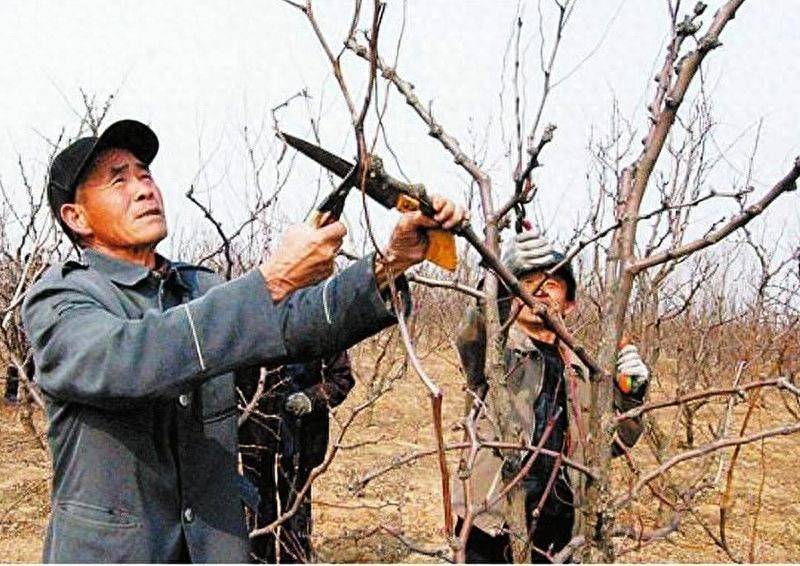
I. Hot dates cut: 4 paces in season, and the fruits are small. Long
The core of the cut dates is "ventilating, insular and strong". The focus of the cut varies from season to season and can be done in chronological order:
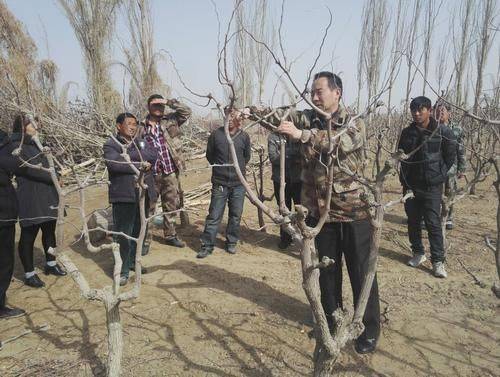
1. Winter shears (december-february of the following year, hibernation): fixed skeletons, reduced burden
- cutting the sick and weak branches: first, cutting the dead, sick and insect branches (insect eggs, blacked branches), cutting all the overlapping branches, avoiding the waste of nutrients and reducing the spread of the disease。
- set the main branch: the date tree retains three to four main branches (selecting the strong branch from the base of the tree, with a distance of 15 to 20 cm), the main branch leaves a short cut of 60 to 80 cm (sprouts with full sprouts), and the remaining surplus branches are removed from the base, making the tree more integrated。
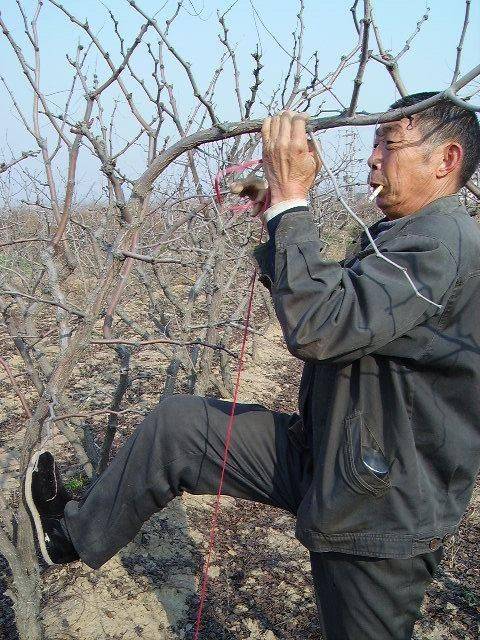
- cutting the branches of the results: the results (the last year's fruit-bearing branches) leave three to five short-lived branches, which are too thin to be removed directly and give rise to new and robust branches。
Spring shears (march-april, post-emerge): bud control, maintenance points
- when the new sprouts grow to 5-8 cm, they erase the roots of the tree, the sprouts on the back of the main branch (a straight-up sprouts) and the sprouts of the result (one sprouts every 10 cm) which are too dense, avoiding new sprouts for nutrients and allowing the nutrients to concentrate on the sprouts。
Summer trims (june-july, fruit-taking): anti-bullying chief, ventilating light
- carcinogen: when the result is 40-50 cm, the top sprouts (circles) are strangled, the branches are controlled and the nutrients are promoted to the fruit; the long branches on the main branch (more than 30 cm) have a weight of two to three leaves, so as to avoid covering the light。
- twisting: the removal of too dense and thin branches from the main branch, which ensure the radiance of the tree canopy and reduce the fallout。
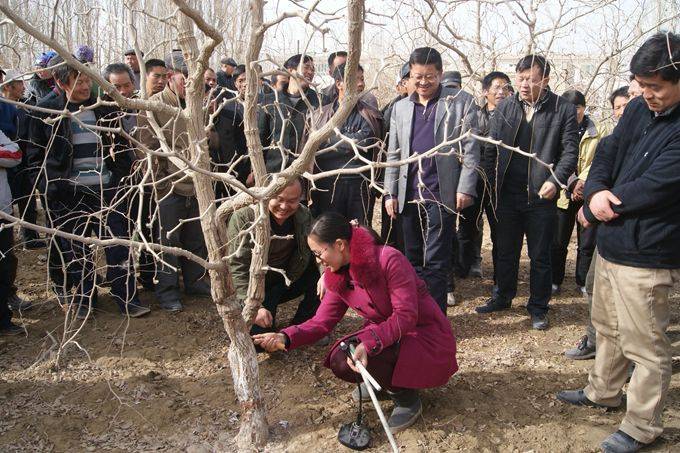
4. Autumn shears (september-october, after fruit harvest): tree formation, basis for the coming year
- cut the empty branches and the sick branches of the year after picking the fruit, and keep the strong branches of the mother; short for the long nutrient branches (the fruitless branches). One third, promoting the ageing of branches and the accumulation of nutrients over winter。
Ii. Hot dates management: 3 critical operations to ensure a high yield of sweet fruit
After cutting, together with precision management, the date is so big and sweet that it focuses on the three points of "conservative fruit, water fat, safety."
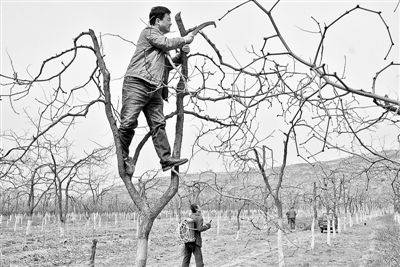
Pockets: 2 small actions to reduce the incidence of falling fruit
- spraying fertilizers: may-june, fertilizer + potassium hydroxyphosphate (one litre of water + 5 grambarine + 3 g of potassium phosphate) on the leaves, one blow every seven days, two times in a row, and an increase in the sitting rate (boster fertilizer promotes pollination, and potassium phosphate supplements)。
- succeeding: after having sat on fruit (with dates growing to soybeans), the deformity, disease and hysteria are eliminated, with two or three healthy fruits (between 5 and 8 centimetres) per branch of the result, avoiding too many fruits with insufficient nutrients, resulting in a small amount of acid。
2. Fertilizers: by stage, no shortage of nutrients root
- premature period (march-april): the application of “trench fertilization”, 2-3 kg of rotting organic fertilizer (e. G., chicken dung, goat dung) per tree + 50 grams of urea (deeping in shallow ditch at 50 cm from the trunk) to promote the emergence of new buds。
- vegetation period (june-july): application of “inflated fertilizer”, 100 g of potassium fertiliser (15-15-15) per tree + 50 g of potassium sulphate, to be watered or buried in the soil to promote the expansion of the fruit。
- after the harvest of fruit (october-november): the application of “fertilization of trees”, each tree is covered with curing of 3 to 5 kg of organic fattening, supplementing the nutrients of the tree body with a view to saving the next year's results; the watering follows the “dry and wetness” and the soil surface is refed and the roots are avoided。
3. Hazard prevention: focus on 2 diseases and pests, porcupine
- diseases (anthrax, scavengers): prevention of early spraying during the rainy season (june-august), with 800 times more humid powder of 70 per cent of methyl tobuzin, one spray every 10 days and two to three sprayings, preventing the decay of leaves and fruit。
- pests (tree molluscs, red spiders): when leaves are found with worm holes or green whites, 2000 times more humid powder is sprayed with 10% aphids, with a focus on the back of the leaf and around the fruit, and efficient pest-killing is safe。
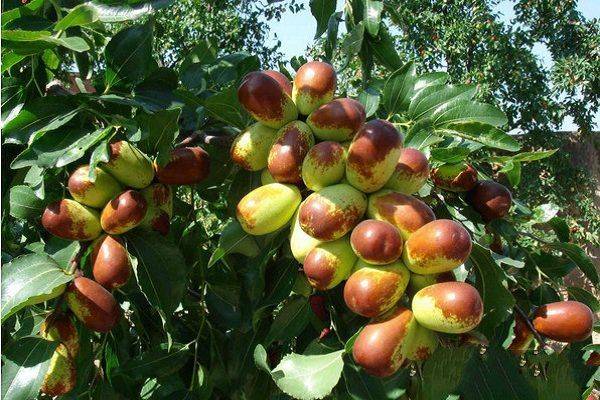
Cutting and managing in the manner described above, the date trees not only are well-structured and ventilated, but they also concentrate their nutrients on the fruits, and the dates of the winter are so full of sweetness, they are so easy to pick a basket, and the family eats so well
♪ the way you grow ♪