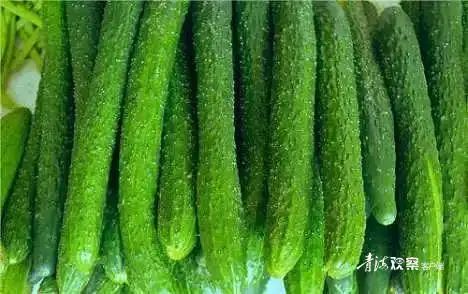
Qinghai news network the great american qinghai customer service reported that on october 16, the harvester was moving back and forth in the field of shanjid town in the tibetan autonomous district of durang, hysy mongolia, and that a string of troughs of troughs had been thrown out of the ground, where they were picked up, bagged and transported, and a scene of harvest. It is known that, for the first time, the new variety of multifunctional eco-economic cash crops identified by the qinghai university school of agriculture and pastoral science team, the new species of chrystals, were successfully tested in two areas, the salin and the high cold areas of the town of shanjid, durán county, and the commune of balon, and entered the final harvest period。
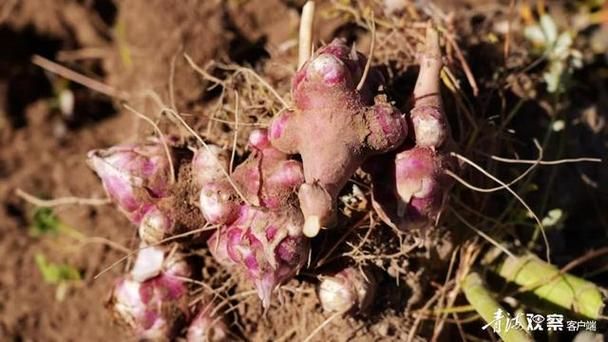
Ginger and ginger are multifunctional cash crops of many values, including food, feed, medicine, ornamentals and ecology, which have been imported from china since the end of the eighteenth century. It is one of the most important crops in qinghai that has adapted its crop structure and developed specialty agriculture。
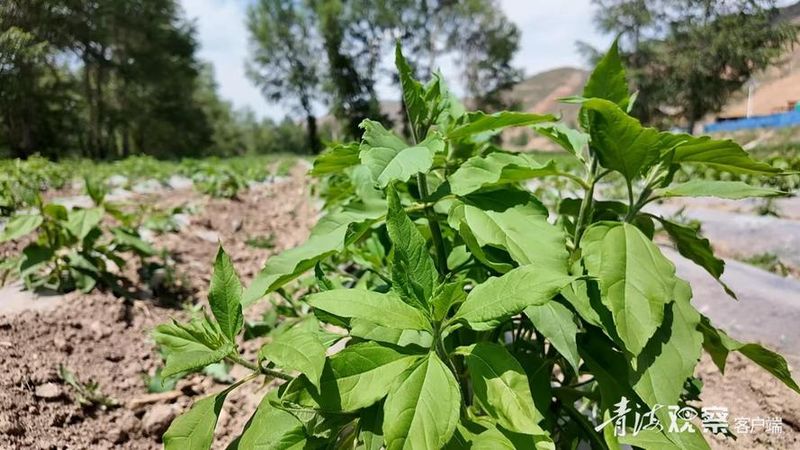
Dr. Monyan zhao, director and associate professor of science and research at the university of qinghai, described the large amount of biomass in the tubers from the ground to the ground and the abundance of nutrients. On the ground, the straw has coarse proteins, coarse fibres, and some elements of minerals, including ketone and amino acid, which are very useful to humans; underground troughs are important for processing and utilization, the most important of which is polyglucose, which accounts for 80 - 85 per cent of its own weight, and is an excellent functional food additive。
As one of the major farming counties, durán is in high demand for fodder. As a multi-year herbs plant, with many branches and abundant leaves, the nutritional value and yield advantages are clear compared to conventional pastures, with a significant advantage in the development of the haessian indigenous pastoral industry. In addition, it has important applications in the field of ecological restoration, such as sand control and salin improvement. This year, with the technical support and assistance of the university of qinghai's kikuta team, a total of 6. 67 hectares were tested for planting for the first time in the towns of shanjid and balung. Next year, the most suitable varieties will be selected through the team's latest data, with a view to increasing the level of cultivation this year。
Lee qingling, zhang ji li