The secret to the success of the market's production
Yang! Nan
PolygoNatum sibiricum delar. Ex redoute is a multi-year herbivorous plant with roots close to the cylindrical form or near chain beads, suitable for growing under the forest, bushes or slopes of 1400 to 3000 m above sea level, in an open area with fertile soil, deep earth cover, shrubs or needles. Yellow precision is used extensively and is used in a combination of medicinal, edible, horticultural, medical, etc., about 70% for food processing and 30% for medical extraction. According to the 2020 edition of the people's republic of china's pharmacy, “heavy hair” is also called yellow with flowers, “big yellow” is also known as yellow with flowers, and “gang-shaped yellow” is also known as yellow with pixie, and has functions such as pixing lungs, filling tempers, drying of thirst, renal fertilization, curbing excessive blood sugar, fighting fatigue, combating tuberculosis, slowing old age and treating cardiovascular diseases. With the gradual increase in the value of yellow medicine and health care, wild yellow resources have fallen far short of market demand, and artificially grown yellow has good social benefits and wide application prospects。
The city is located in the south-western part of china and is located in the western part of the city of paoshan. It has an excellent ecological environment, with an average annual rainfall of 1483. 8 mm, an average annual temperature of 15. 6 °c, a minimum winter temperature of no less than 0 °c and a maximum summer temperature of no more than 30 °c; and a forest cover of 74. 72 per cent, with a good air quality and an average of 3827 /m3, with an average of 38,000 /m3, with pm 2. 5 standing at less than 10, known as “natural large oxygen bar”; the usual planting of herbs, tarts, heavy buildings, yellow essence, and so on, with a total of 240 hm2. Thanks to its unique ecological and geographical climate, the chinese medicine planted is of excellent quality, and the company yunnan province's leading company, yunnan medicines, inc., has achieved a good pattern of planting + processing。
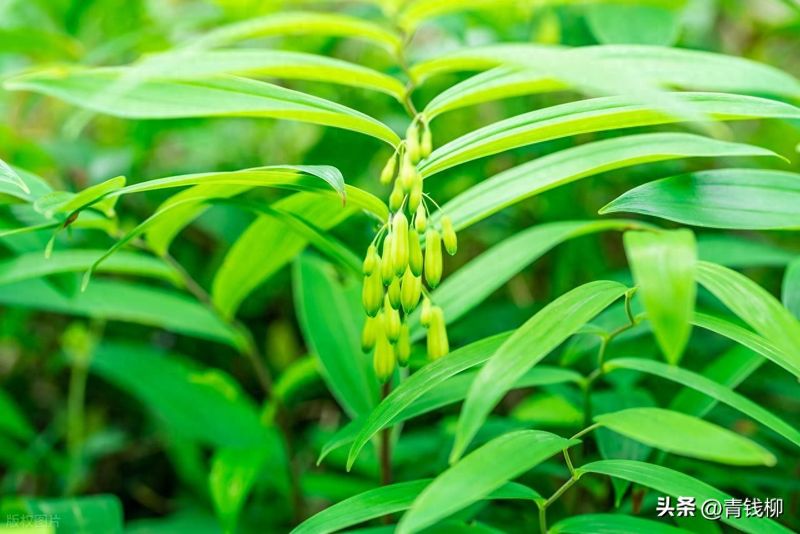
1 nursery
1. 1 fruit processing
And when the fruit of the fruit is yellowened, then it shall be laid softly, then it shall be washed away。
1. 2 seed treatment
Washed seeds are soaked with 0. 1 mg/kg of 3% aromic acid after suffocation of 12 h, extracted into 11% of a mixture of 400 times the fluid of the nail chromium and taken out for drying on the iron scavenger。
1. 3 seeding
墒1. 2 m on a corrosive, ash-rich volcano. 8 cm in row, 3 cm deep in ditch, 5 cm in length evenly, or 5 cm x 5 cm in hole, then flattening, approximately 1. 5 cm thick, a thin layer of pine needle or dead leaves, and pouring water through. Small arch sheds are used to grow seedlings to control temperature in the shed at 23 ± 2 °c, high temperatures increase ventilation as appropriate, and both ends of the membranes can be kept warm on a rainy day。
1. 4 seeding volume
The seedlings of 150 kg/hm 2 and approximately 450 kg/hm 2 fresh fruit are capable of ensuring that 1. 2 million seedlings are produced and that 20 hm 2 can be planted. If properly protected, around 20d sprouts, around 40d seedlings, some pine leaves, weeding, covered with sunnets, and a year after planting。
2 oda migration
2. 1 land selection
Select plots with sufficient sunlight, well-drained and well-protected, slightly shaded soil, with moderate soil alkalinity, deep soil layer and corroded soil. For example, open-air cultivation needs to be carried out under oscillating forests with over 40 per cent shade, which needs to be covered by a combination of high-dry crops (e. G. Maize, white beans, etc.), usually growing two rows of corn every four rows of yellow concentrate, with a distance of 40 cm, or planting maize in a cubicle。
2. 2 land as a whole
Read it deep and apply decomposed school or organic fat 45 t/hm 2, plus calcium phosphate 300 kg/hm 2, evenly to the soil as base fat. It's 1/2 m wide, 20 cm tall, 60 cm wide, and it's dug around。
2. 3 deplantation
In october-november of the following year, the plant was moved. Line 30 ~ 35 cm, length 25 ~ 30 cm, approximately 60,000/ hm 2. Ginger yellow is a straight grassbook and does not need to climb. The piping is later reptile and needs to be plugged in between rows for climbing。
Field management
3. 1 weeding
When seedlings are produced, the pine soil is cultivated in time to keep the weeds free. The period between may and november of yellow seedlings is usually seven times per year in the first and second years of seedlings, and the third year requires the removal of large grasses, depending on their condition. Chemical herbicides are generally not used, but weeds from double leaf plants (blank leaf weeds) can be removed at high concentrations of 2,4-d. Weeding is often accompanied by draining of ditches and fielding of the yellow roots to prevent the roots from wrinkled or the light from turning green. When plowing pine soil, be careful not to hurt the yellow stem so as not to cause yellow root decay。
3. 2 fertilization
Application of organic fertilizer. Fertilized cow, sheep or horse dung are generally sprayed, and biogas tank dung is also applied, which is covered with pine needles or dead branches depending on growth。
After growing up (may-june) and later (august-september) fertilizers were applied twice at 675 kg/hm2 to promote yellow growth. Nitrogen fertilizers (i. E. Urea) and chlorine-containing compound fertilizers cannot be applied separately, and nitrogen fertilizers are subject to root decomposition, and the application of chlorine-containing compound fertilizers alone can cause bitterness。
3. 3 pest management
3. 3. 1 little tiger
Larvae to the detriment of seedlings. The larvae are scattered over the age of three years on leaves or troughs, lurking in needles, dead branches, topsoils during the day, and moving out at night, mainly to the detriment of the stem and root of the seedling。
Effective methods of prevention: 1 black-light induction; 2 % bromocymethrin emulsion 2000 ~ 3000 times liquid, 20 % cypermethrin emulsion 3,000 times liquid, 2. 5 % pyrethrin emulsion 4,000 times liquid, 40 % pyrethrin emulant 2000, 25 % high-efficiency chlorocyanothrin humid powder 2,000 times liquid, 20 % chlorine masture 2000 % emulsifiable concentrate or 20 % pyrethrin emulcan emulant control; 3 sugar vinegar induction enzymes the venom of sugar cane cane cane cane cane cane cane cane cane cane diarrhea, 90% trichlorfon, 3:4:1:2 :0. 1 。
3. 3. 2 蛴螬
Larvae, such as gold turtles, are white, thick and often bites or chews the seedlings, resulting in a seedling or an empty root. The worst damage occurred between the end of may and mid-june。
Method of prevention: 1 manual capture; 2 insecticidal lamps, which are used at night to induce light from pests; 3 precision farming, reasonable rotation, seeding or transfer, with 30 per cent of the amphibian granular agent 1 kg of soil distributed evenly, which effectively combats the hazards of underground pests。
3. 3. 3 lice
Flying lice are an agricultural pest that eats on yellow juice and mainly endangers leaves, flowers and tubers. A lot of flying lice can lead to a reduction in yellow yield, or even death. In addition, flight lice can spread plant viruses such as pyropathosis, as well as pyropathosis and tubular decomposition, to the detriment of yellow yield。
Method of prevention: 1 attracts and clears pests with yellow stickers; 2 lures to kill with booby traps; 3 treats with 1,000 times the cream of 20 per cent of pyrema or 10 per cent with 5,000 times the fluid spray of americ worm; 4 lures with yellow stickers。
3. 3. 4 root diseases
A wide range of sickle fungus causes disease in the root and penis, often associated with a corrosive worm. Roots are watery, underground pests and fattening are prone to disease. The root causes of the disease occur during the summer season, with more severe outbreaks during the rainy season。
Prevention and control methods: (1) choosing perfluorinated gas-rich slopes containing organic and well drained water; (2) cultivation is not too deep and covered with pine needles or dry branches is not too thick; (3) application of fertilizers is dominated by balanced fertilizers, supported by high potassium fertilizers; 432 per cent of the enzyme impregnation is 1,500 times the fluid seed;5 40 per cent of the fungi fluoride is sprayed 1,000 times the liquid spray at the onset of the disease at intervals of 5-7 d and 3 successive times。
3. 3. 5 leaf spots
During the summer and autumn, there was a high incidence of foliage, which was exacerbated by the rainy season. The pathogen is a high fungus of fungi, elliptical or irregular circular disease, external tan, light white, and, in the event of an outbreak, the affected leaves will die as the disease evolves, causing the whole plant to die。
Method of prevention: manual removal of strains and centralization to dumps; 2 clean planting sites and surroundings; 3 treatment with a dose of 30% epamic milk 800 + 10% melamine milk 1,000 times spray at intervals 7-10 d and 1 more。
3. 3. 6 black spots
It can also be transmitted through the pathogen of the disease by means of a facsimile disease, which is the first of its kind. The disease is rounded or elliptical, purple brown, then black brown; the leaves or fruit of the disease die black and brown, and they don't fall off, hanging on the trough. The disease also affects the fruit。
Method of prevention: 15 per cent tetracylene emulsion + 10 per cent ester emulsion sprayed once every 7 d, twice consecutively; 2 pre-surgencies sprayed bordeaux liquids (1:1:1:200 for copper sulfate) and 1 for 7-10 d, three successively。
3. 3. 7 red spiders
Red spiders can be sprayed 800-1,000 times less with clean water, using drugs such as acetylene, dicofol, avil, marathion and dimethyl. If there are more pests and the generic drug cannot be controlled effectively, spraying can be better achieved with a mix of 10% phenylbutylene 1000 + 5% salt cream 3,000 times。
4 collection
4. 1 years of harvest
Seed reproduction lasts four years, at which point the levels of polysugar, root polysugar, free amino acid and hydrolytic amino acid peak。
4. 2 timing of harvest
Yellow harvests are premature and yield has not yet been produced; harvests are too late and the increase in yellow disease pests eventually leads to reduced yields, and timely harvesting is particularly important. Between december and january of the following year, the highest sugar content was found in the yellow root, which was 39. 7 per cent; the root was full and had a high drying rate of 36. 7 per cent。
4. 3 conditions of harvest
Soil laxation is required for harvesting, which can easily be separated from the yellow root, with a relative water content of 25-30 per cent。
4. 4 collection methods
When you dig a yellow truncheon, you can dig it out with a small excavator or hoist, flush it out of the dirt with a high-pressure water gun, take it easy and leave it clean。
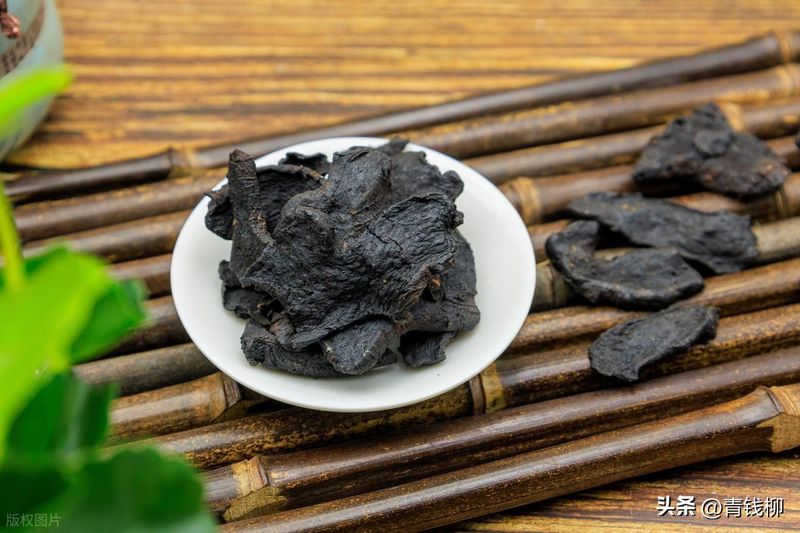
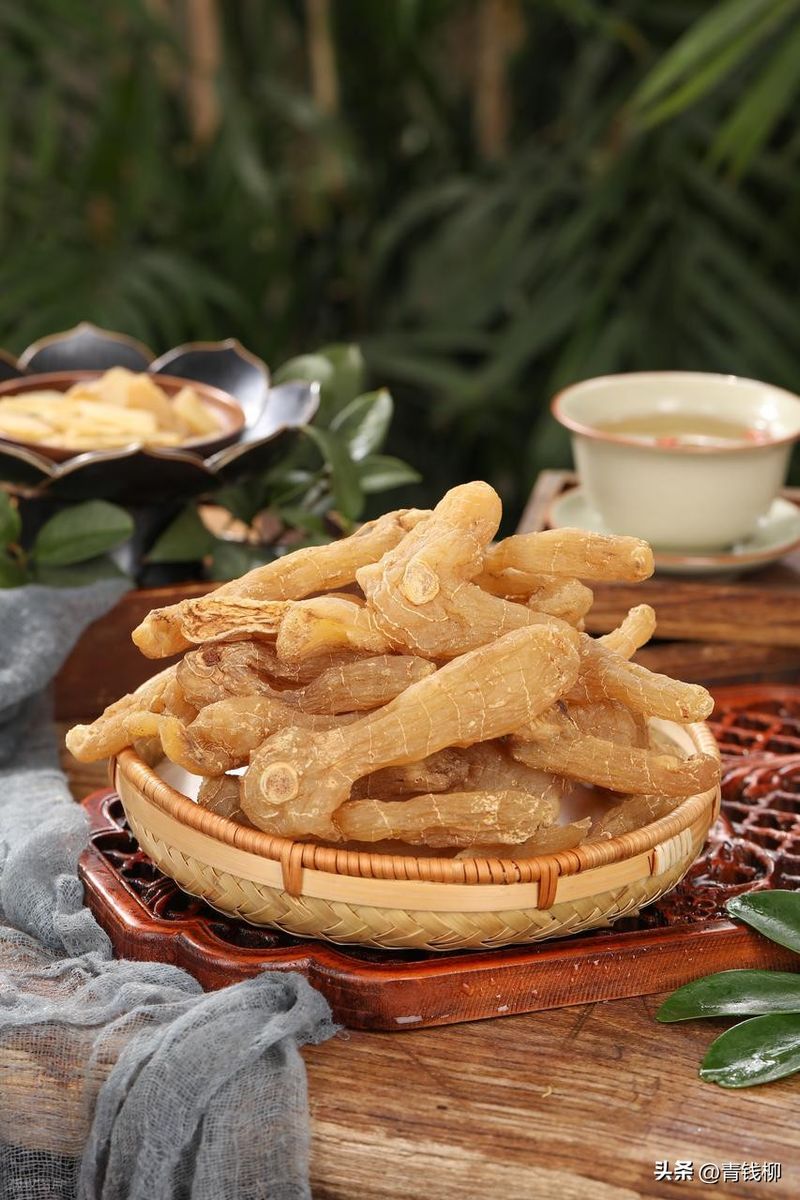
5 process
5. 1 general processing
After excavating, remove parts of the ground and the stubble root, wash the soil with a high pressure water gun, slice it dry or dry, or boil it in boiling water, then dry it dry or dry it whole or dry it。
5. 2 advanced processing
The yellow essence of seed breeding can be harvested for four to five years, and can be partially harvested after atrophy on the fall floor. The collected yellow stalk washes the soil, removes the root, evaporates, slices dry or dry. Quality processing allows for yellow tea, yellow cream, yellow powder, yellow drinks, etc., as shown in figure 1。
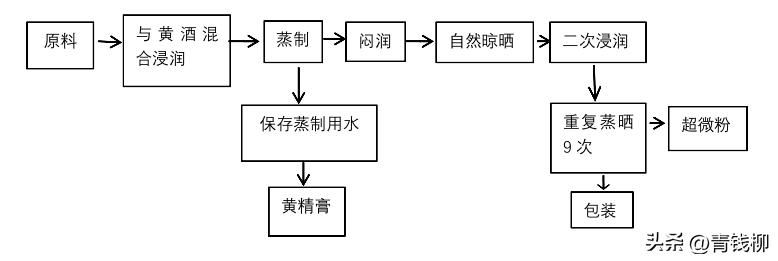
Figure 1
6 summary
The application of the technique, which is a well-established set of techniques from nursery, transplantation, fertilization, pest control and weeding to harvest processing, will significantly increase the yield and quality of the plant, which in turn will not only increase the medicinal value of the product, but also lead to industrial efficiency gains that will lead to the integrated development of one or two industries, which can be replicated in large areas。