The chinese culture of tea is the culmination of our traditional tea-drinking practices and trophies and is deeply rooted in eastern culture. At the heart of the culture of tea is the channel of tea, the only culture that can rise to the level of the province is the culture of tea, which is the integration and promotion of tea and the road. The interpretation of the tea lanes has helped us to understand the culture of tea in depth and has helped us to grasp and promote the deep chinese traditional culture. So the question is, do you know the six basic steps for tea? Let's look down
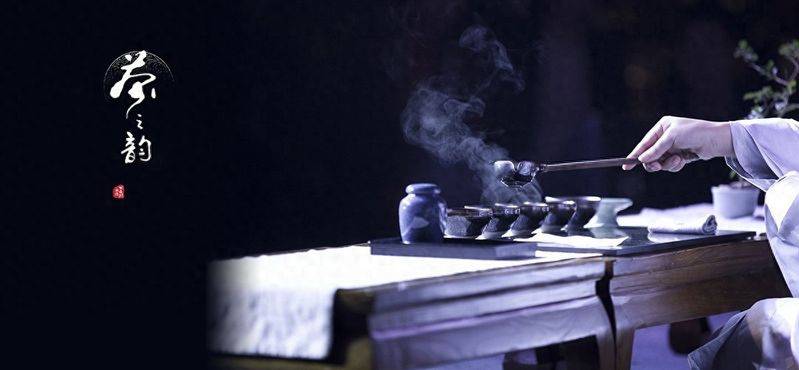
The newcomers who learn to make tea require the following “six basic steps”:
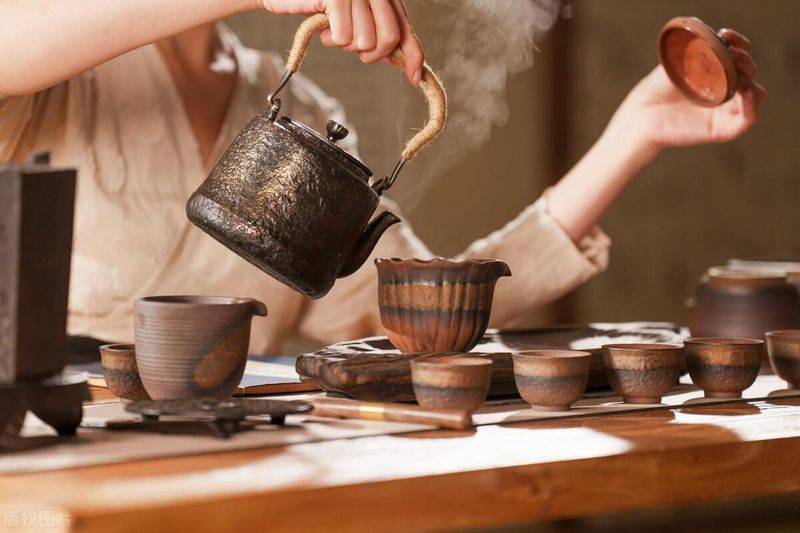
Temperature
The first step in making tea is to inject hot water into the tea, i. E. Hot water, which is poured in the tea cups, either in the teapot or in the tea cups, and which is generally warmer than 90°. When the teacup is warm, the hot water is poured out。
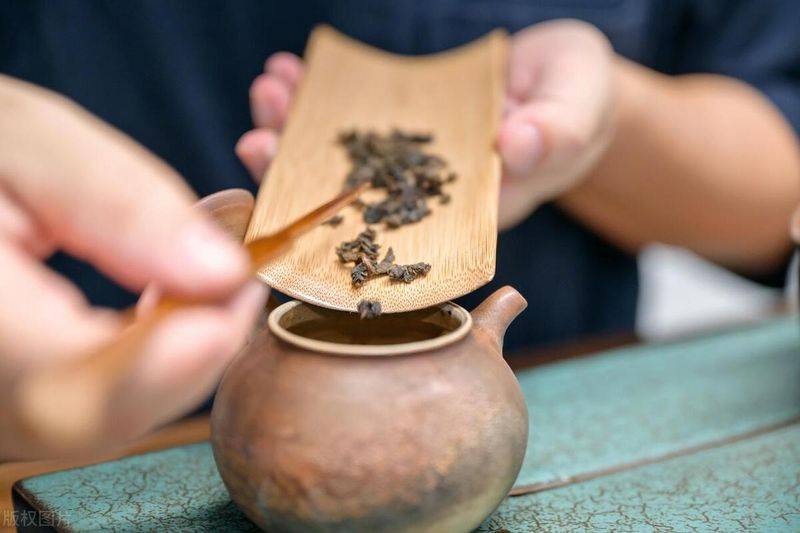
Tea
A certain amount of tea is added to the teapot (cup) by the size of the teapot or cup. When you put it in, you can see the shape and colour of the tea in the pot. If you make tea with white bowls, the colour of tea is interesting and very valuable。
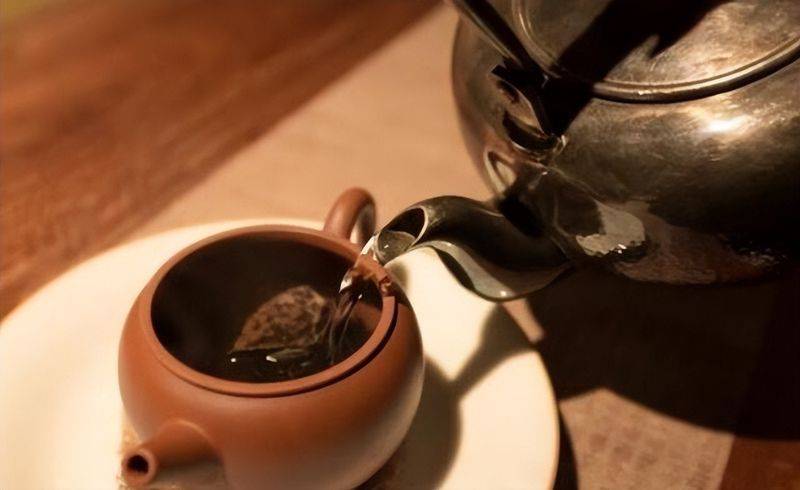
Bubble
Take a proper amount of tea and put it either in a tea cup or in a teapot. Injecting hot water that is almost covered with tea, covering it with tea cups or teapots, and observing the immersion of tea in hot water. Tea leaves are usually soaked in hot water and covered with cups or teapots。
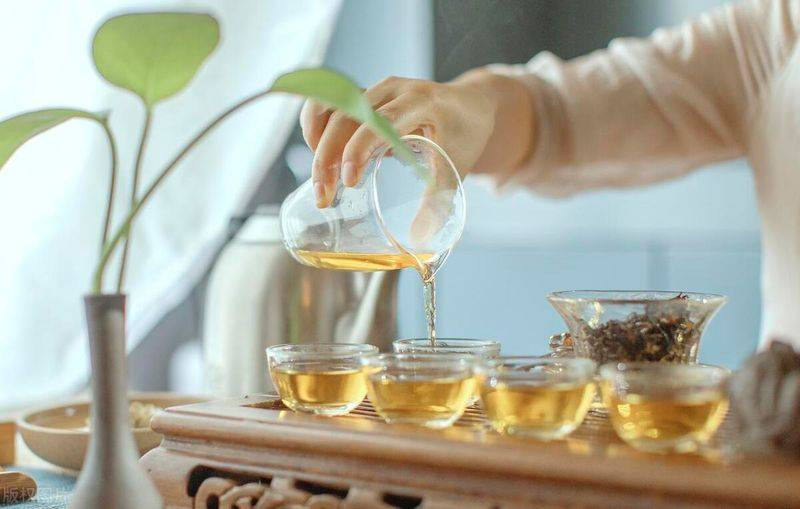
Tea
The well-breeded tea shall be poured into the sea of tea and then into the cup of tea for the guests. The chai sea is also known as the cup of justice。
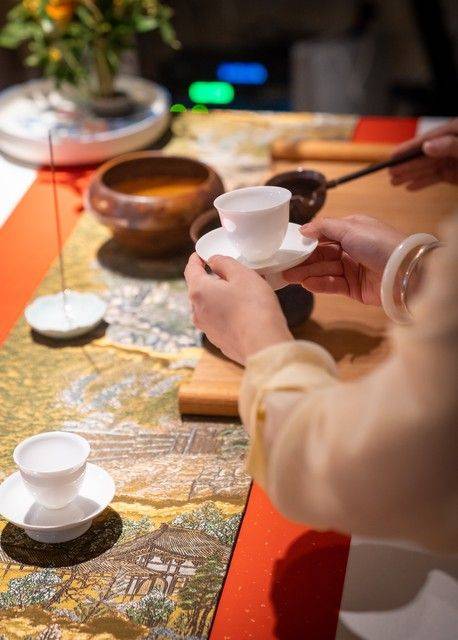
Tea
In the event of tea, a tea tray will be required to be held in front of the customer's right hand. In the service of tea, the master must make tea gestures with his spare hands, when the guest can use his right index finger and middle finger to bend and slam the table gently as an expression of appreciation。
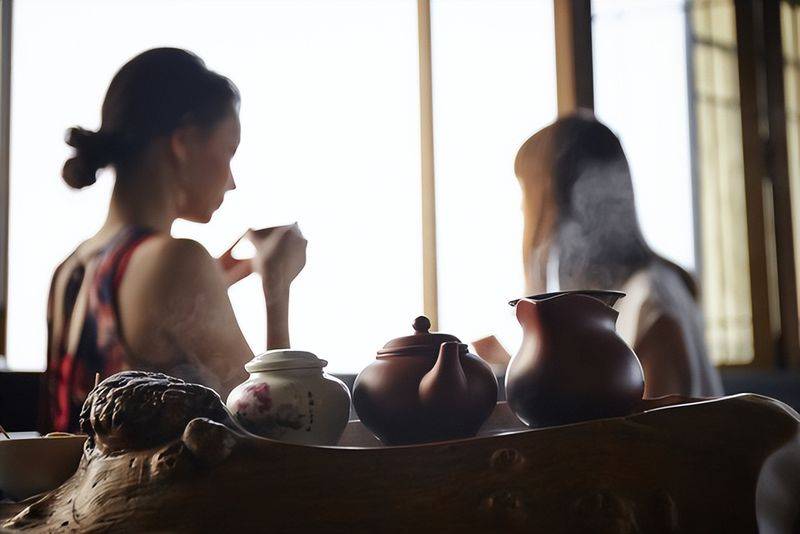
Tea
When the tea is made, it should not be rushed to drink, but rather to look at it first, then to taste it with a cup and then to taste the soup. The tea soup should flow from the tip of the tongue to the end of the tongue and return to the tongue in such a way that it may resonate with sweet and sweet。
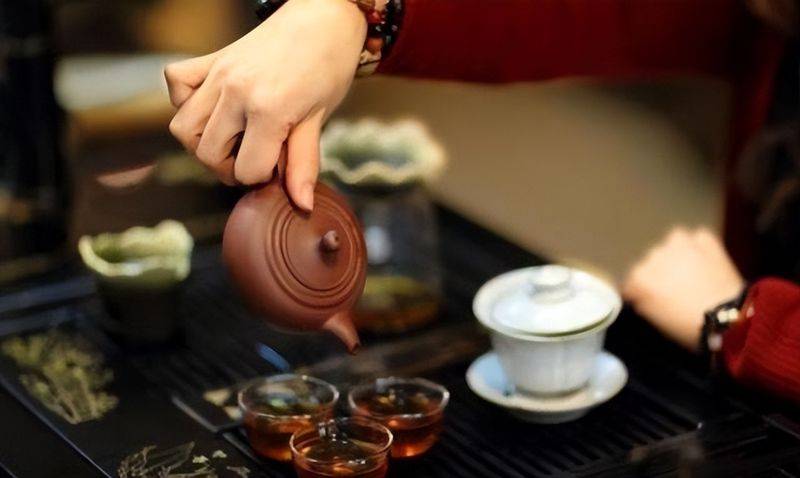
Elements of chinese teaway
China has a long history of tea, and the chinese tea lanes are, in terms of their composition, four main elements, including tealand, tea ceremony, tea gardening, and tea repair, of which tea is the basis for tea lanes, for which tea repair is an end in itself。
Tea land
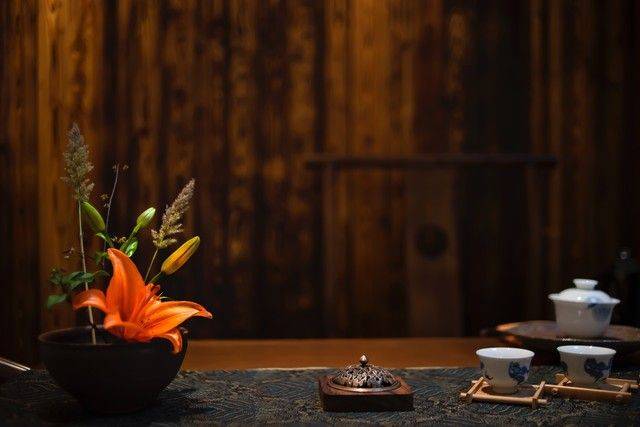
Tealand is the environment in which the tea lanes operate, and the environment can be purified and cleansed。
The environment in which the tea lanes operate is not random, random, but well-chosen or constructed, consistent with the chauvinium. The tea lanes have their basic tea-drinking environment, and generally there are three types of environments, the first of which is natural, mainly in clean and elegant places, without the need for man-made layout and costumes in the context of a four-season landscape. In such an environment, it is better to purify the human heart, and to purge the human. The second is the artificial environment, which requires manual decorations and placements, such as plazas, study halls, etc., and the last is the exclusive environment, which is used mainly for tea activities, and the outdoors of the tea room, which generally plant some permanent green plants, and the interior environment, which is generally decorated with a set of paintings, flowers, basins, etc。
Tea
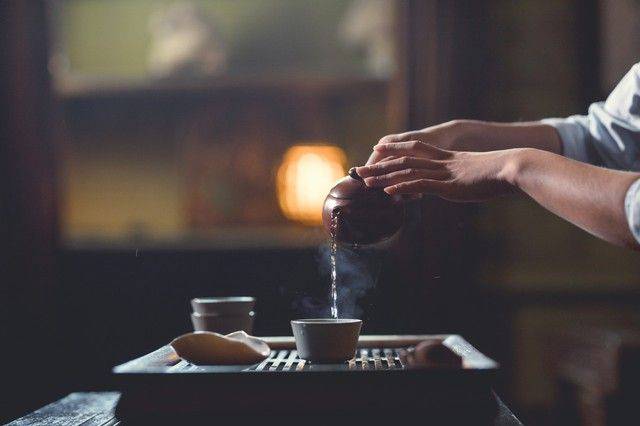
The manners in the tea lane are bowing, tea service and so forth, and manners are expressions of expression and conduct in the tea lane。
The ceremonial law of the tea lane is a series of norms and procedures throughout the tea process, including movements, gestures, gestures, gauges, language, order, location, etc., as well as between people, people and things, things and things. The tea-channel gift is a perfect way to make tea
In the fine process of making tea, it is not only pottery, but also gravitational, and it also allows people to enter the line of healing. In general, chinese tea-channel protocol is more natural, focusing mainly on internal rather than formality and not subject to it。
Tea
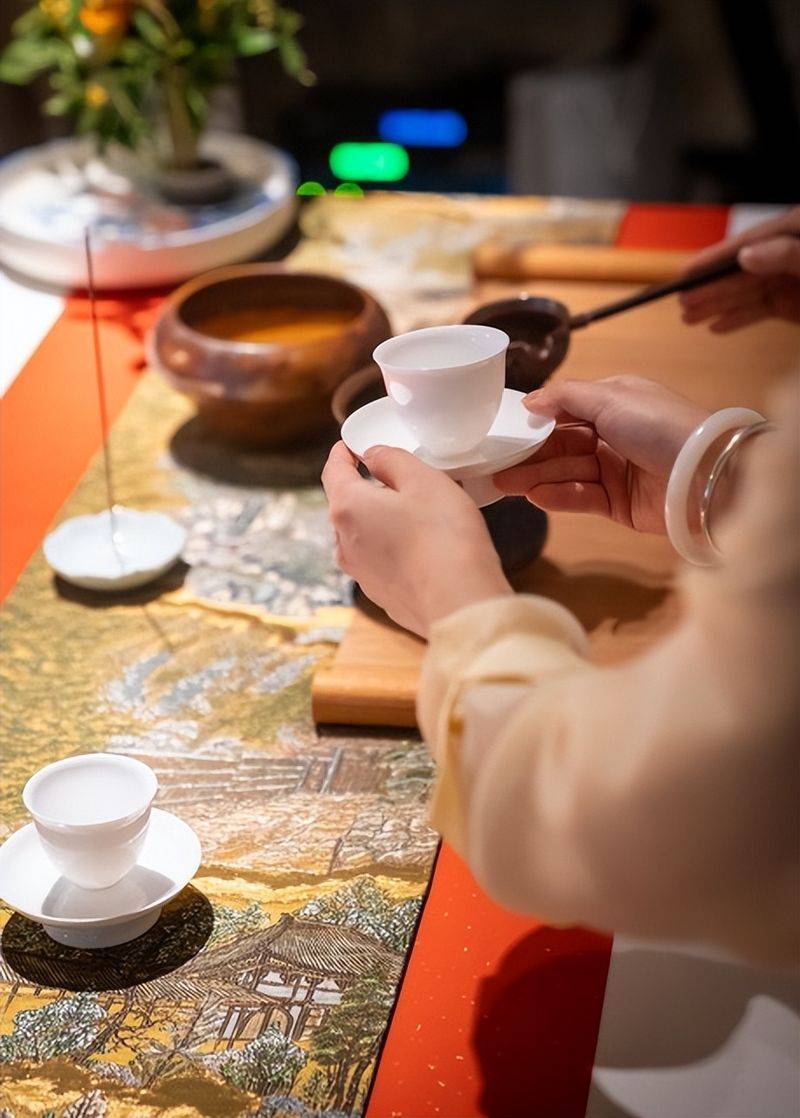
Tea is the foundation and carrier of the tea channel and is a necessary condition of the channel。
Tea can exist independently; however, the path must rest on it, and there must be no. Tea can be seen as a channel, and as an art, tea can be staged. In general, the tea lane is a spiritual culture, and tea is a form of expression of the tea lane, so it is said that the tea lane is a show, not a show, but a show。
Tea repair
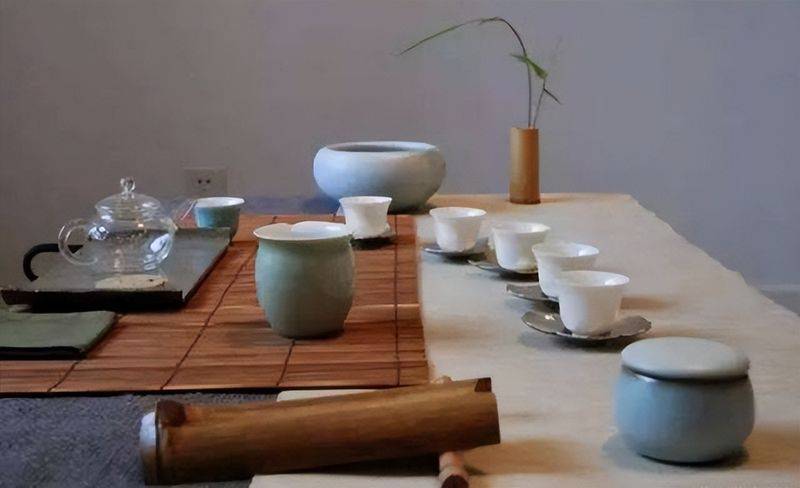
Tea repair is the most fundamental purpose and the most fundamental intention of the tea channel。
Teaers are using tea activities to improve their spirituality and pedagogy, which are characteristic of china's tea lanes. They are mending hearts and gods, or repairing them, or repairing them, or repairing them, or repairing them, or raising them, or removing their physical illness, or maintaining them for a long and healthy period of time. The essence of china's tea lanes is breeding, euphoria, healing and proof that they are the result of the process, that they are the ultimate pursuit of the tea。