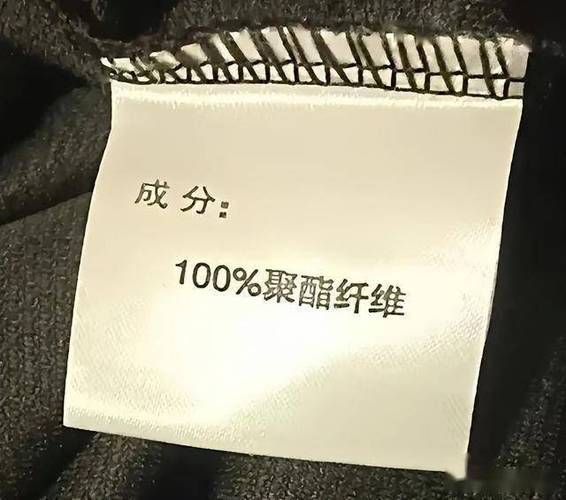
You know, every time you buy clothes, it's the polyester fibre "lesser" "modelle" on the placard, and when it's on the aesthetic page, buy it home and flip it -- either sweating, or wrinkled into pickles, or wash it twice, the problem is that you don't have a temper
Today's non-fiction, using the best white language, gives the treasures cope 12 of the most common daily clothing fabrics, and makes clear the chemical nature and core characteristics of each of them, whether they buy t-shirts, pants or coats, read this piece, and choose the best money without stepping on the thunder
Focus first! The fabric is divided into four categories
The fabric we normally wear is four broad categories: synthetic fibres, natural fibres, regenerative cellulose fibres, semi-synthetic fibres. They have different chemical structures, different hands, aerobics, resistance to wrinkles, and remember this big category, so they don't go in the wrong direction
Category one: synthetic fibres -- lazy foods
Synthetic fibre is a synthetic high-molecule material, with a "suspension" hit! The advantages are grinding, wrinkled, non-conforming, and the disadvantages are that some of the fabric is sweaty, static and suitable for treasures who do not want to care about their clothes。
Polyester fibres (purified) — fabric “gold oil” at full price
It's in almost all the clothes. T-shirts, coats, pants everywhere! The chemical structure is a “polythylene diethylene ester” (pcdd) which, in white, is a structured long-chain molecule, so it is inherently stale, frinkle-resistant and has no incentive to iron。
Core characteristics: wrinkle resistance can be filled directly, dry-up can be worn and laziness can be worn directly; grinding and wear are not easy to deform for a season; it is mostly dry or dry, but the disadvantages are also obvious, wet lacerations in the summer when they wear pure detergents, and it is easy to get electrostatic sticky。
Quiron (nylon) — grinding ceiling, first option for a close body
The chemical structure is polyamide, which is particularly tight between molecules, so its tolerance is first in all the fabrics, which are often used to make elastic parts of socks, underwear, sweatpants
Core characteristics: super-resistible. A pair of nylon socks can't be broken for more than half a year; it's light and flexible, and it's tight with its legs and scavengers; it's wetter than a scrub, and it's easy to dye and colour; but it's easy to wrinkle, it's static, it's easier to clean up a little bit。
Ammonia (pur elastic fibres) - flex, never “business” alone
The chemical structure is unique, and it is a mosaic homogeneity of “soft + hard” that can be condensed like springs, stretching more than 500%, with the central function being to make fabric more flexible and dress more comfortable。
Core characteristics: high ejective lyds! By stretching out, free hands can quickly return to normal, sit down and exercise without constraints; close clothing is tight and comfort is full; but it is hardly used alone, usually mixed with scrubbing, cotton, liesel (e. G. The pants you asked earlier, containing 2. 9% ammonia, are cozy), and generally not more than 10%。
Pyramid — light as hair, fast-dry zone “rolling king”
The chemical structure is polypropylene, which is the lightest in all the fabrics, which is felt lightly, and without water, the water evaporates directly from the surface of the fabric and has no drying power
Core characteristics: great light! Wet and dry, and the inner layers of sports underwear and dry clothes are basically it. It's not sweaty; it's warm and grindy, and it's cheap; but it's too wet to make a tight coat and it's easy to get electrostatic ash。
Category two: natural fibres -- the gospel of sensitivity
Natural fibres are derived from nature (plants, animals), chemical structures and human skins are closer, with the advantages of physical intimacy, air penetration and ingestion, with the disadvantages that are mostly easy to wrinkle, difficult to manage and require careful care。
Cotton - national fabric, close clothing yyds
The most common natural fibres, the chemical structure of which is “natural cellulose”, are the molecules that have many pro-water clusters, which are particularly wet and cozy, and which are the preferred fabric of underwear and t-shirts。
Core characteristics: skin is soft, body is not sweaty, skinless, and sensitive muscles can be comforted; sweating is wet, summer is wearing a pure cotton t-shirt and does not stick; static power is low and does not make it sticky; but the disadvantages are obvious, it is easy to wrinkle, it is easier to shrink, it must be ironed after washing, and it is less wet and it is easier to transform。
Plum (paralyse/smelt) - summer thermostats, self-inclined cooling
Like cotton, it's natural cellulose, but the molecules are more organized, and there's a small amount of semi-cellulose and woody, so it's better to be ventilated and heatless than cotton, wear it in the summer, bring a cold directly, and the temperature is full
Core characteristics: cool, cool, hot, fast, and in the summer wearing linen shirts, tungsten pants, no more heat; high intensity, durable to wear; wet and wet to soak and not sticky to sweat on the body, the sense of refreshment is full; but the hand is too hard, some treasures will feel a little itchy, and it's easy to wrinkle, and when you wash your wrinkles, you have to iron it to look good。
Ribbon - high-end fabric, soft to bone
Natural protein fibres, chemically constructed by a combination of amino acids, molecularly organized, so the light is particularly soft, hand-stamped, high-end fabric。
Core characteristics: light and high, wearing a sense of atmosphere on the body; wearing a silk-sliding skin, full of aerobics and dampness; but it's so delicate! It's easy to tweak, insuffer from sun, not to wash with hot water, and it's so yellow that it must wash or dry itself, and it's good for a fine treasure to wear。
Wool - the warm king of winter, no longer afraid of cold
Angular proteins from wool, with a number of disulphur keys in the molecules, form a unique spiral structure, which is a direct heating full, a winter coat, a sweater's preferred face, and no longer has to be wrapped like a sling。
Core characteristics: heating insulation, warmer than cotton, detergent and too much, and wearing a sweater in winter is enough; it is so flexible that it is not easy to wrinkle and wear long enough to recover; it is humid and it is not sweaty in winter; but it is easily constricted (and then softer) and must be dryed and priced more expensive because of the heat and the infestation。
Category iii: regenerative cellulose fibres -- all-powerful players! It's good to balance the skin with the skin
Regenerative cellulose fibres, in short, “natural raw materials + artificially processed”, which are plants (mixed wood, mackerel), which have been processed into fibres, with natural fibres having a permutated skin and synthetic fibres in good shape, have in recent years gone out in direct flames
Plasma fibres (made cotton) — flat-priced skin, sex-priced versus smallpox board
Chemical structures, like cotton, are regenerative cellulose, but the molecules are loosely organized, so the hand is softer and cheaper than the cotton, and the student party and the workers close their eyes。
Core characteristics: softness and smoothness, a similar sense of hand and cotton, a peri-gas; wetness is better than that of cotton, which is cozy in the summer; but low wet strength, easy to wrinkle, easy to shrink, careful handling, not to wrinkle。
Modell — sticky “upgrading”, not easy to achieve. Put it on
High-wet modulus regenerative cellulose, with higher molecular aggregates, more even structure, better quality than glue fibres, often used to make underwear, t-shirts, pants, which are so comfortable。
Core characteristics: softer, more glitter, more comfortable as a cloud; less easy to pick up, less soft to shrink, more stable in size; more perturbed, more sharp in pants and skirts, better in the skin and better in the well-dressed, and better in the clothes。
Leyser — high end regenerative fibres, falling yyds
Regenerative celluloses made of solvent swirling techniques, the chemical structure and cotton are the same as cotton, but the molecules are more organized, the crystals are higher, the sense of falling, the silk slides are full and are common to high-end clothing (e. G. The pants you asked earlier, containing 26. 9 per cent of léser, have a great sense of scrawling)。
Core characteristics: collapse is full, non-fat, pants, skirts are thin; silk-skinned, air and cotton are similar; dry and wet is so high that it is not hairy and deformable, dry and dry that it is flat, not ironed, skin-saving and lazy
Category iv: semi-synthetic fibres — imitation of silks! It's a good idea to fix a non-precious acetate
The chemical structure is cellulose acetate, which is made of natural cellulose by acetylization, and which is superior to and better regulated than real silk and has a full value。
Core characteristics: mimic silk, silky hands, and real silk are almost the same, but prices are more pro-people; good wrinkle, dry and dry, dry without ironing and laziness; strong size, often used in suits, skirts, and shirts, with a sense of quality and practicality, and a sense of precision and comfort。
Finally, focus! Buy clothes and look at these two points
1. Demand selections: summers for cotton, maestro, leselle, air not sweating and coldness; winters for wool, balconies for warmness and wear, with no need to be covered in scavengers; body clothings for cotton, modelle, leicell, not irritating, and sensitive muscles; sports uniforms for scavengers, scavengers, ammonia mixed, resilient to grinding and free of restraints。
2. See the composition label: without perfect fabric, the mix is yds (e. G. Your pants, scrubbing + leselle + cotton + ammonia, fighting wrinkles, leanings, whole skins); avoid 100% pure blubber, 100% pure glue, and who buys a car overturn
The treasures, don't just look at the style! Let's look at the fabric on the placard, and look at the science, and pick out something that looks good, that looks good, that looks good, that's good, that's good, that's good, that's good