Graduate design (thesis)
Page
1-
Report on graduation design (dissertation)
Title:
Study on the evolution and intellectualization of compact technologies for road engineering
School number:
Name:
College:
Professional:
Guidance teachers:
Date of commencement:
Study on the evolution and intellectualization of compact technologies for road engineering
Summary: this paper examines the evolution and intellectualization of compact technologies for road engineering. First, a review of the evolution of compact technologies in road engineering was carried out, analysing the characteristics and major achievements of compact technologies at different stages. This was followed by a review of the current state of application of intelligent technologies in the area of road engineering, and a forecast of trends. Finally, an optimisation strategy and recommendations have been developed for the application of smart-pressure techniques in practical engineering. The findings of this paper are important in promoting the development of solid technologies for road works and improving their quality。
Road works, as an important component of the nation's infrastructure development, have a direct bearing on the safety of traffic and the comfort of motor vehicles. Solidity is a key process in road engineering and is important for ensuring the stability, durability and integrity of roads. With advances in technology, road engineering is also evolving and evolving. The purpose of this paper is to explore trends in the evolution and intellectualization of road engineering technologies and to provide theoretical and technical support to improve the quality of road engineering。
Chapter i summary of technological developments in road engineering
1. 1 the evolution of compact technology
(1) the development of compact technologies can be traced back to the construction of ancient roads, where the roads were secured mainly through human and animal power. As history has evolved, solid technologies have gradually moved from experience to science. In the early part of the twentieth century, with the rise of mechanized construction, vibration and crushing solid technologies were widely applied, greatly improving construction efficiency and road quality. The pressure technology for this phase relies mainly on mechanical equipment, such as road presses, vibrating presses, etc., to increase the density of the luki through mechanical reactivity。
(2) in the middle of the twentieth century, as science and technology continue to progress, new developments have taken place in solid technologies. During this period, researchers began to focus on the mechanics of the pressure process, proposing pressure mechanisms and pressure standards, making the pressure work more scientific. In addition, the research and development of new types of pressurized equipment, such as vibrating circuiters, tyre rollers, etc., have yielded significant results, which have had better stressful and adaptive effects. This phase of compact technology has been widely applied not only in road works, but also in areas such as airports, ports and railways。
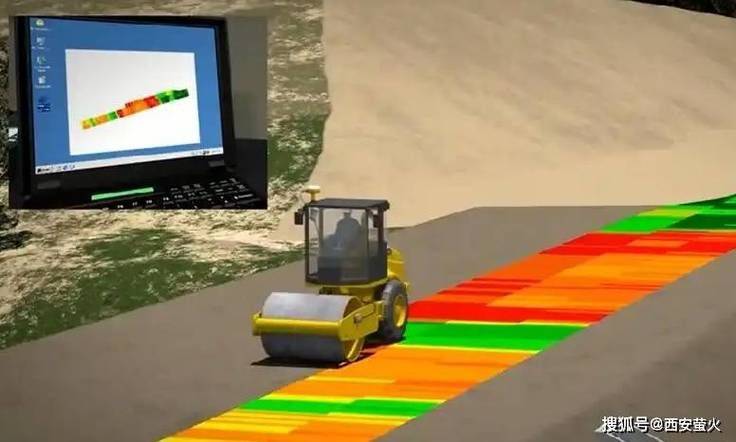
(3) with the rapid development of computer technology and sensory technology, twenty-first century solid technologies ushered in an era of intellectualization. Modern pressure technology is no longer merely a mechanical function, but combines modern sensory technology, automated control technology, data analysis technology, etc., to achieve real-time monitoring and accurate control of the pressure process. Smart pressure systems can automatically adjust pressure strength and speed to surface conditions and pressure parameters, effectively improving pressure efficiency and road quality. At the same time, smart-pressure technologies have shown great potential in reducing energy consumption and protecting the environment。
1. 2 key achievements of compact technology
(1) the main achievements of compact technology in road engineering are reflected in the significant increase in the durability and carrying capacity of roads. For example, in the construction of highways, the use of advanced pressure technologies can bring the density of the lukis to more than 98 per cent, an increase of more than 20 per cent in durability compared to traditional pressure methods. According to relevant data, the surface life of our highway has been extended from 5 to 10 years to more than 15 years now. In the case of the kyoto highway, since the introduction of the bus in 2008, the road is in good condition without extensive damage。
(2) the application of compact technologies has not only improved the quality of roads but has also significantly reduced the construction cycle. In large-scale projects, such as the kyushu highway and the chengsu highway, the construction cycle of the road-based construction has been reduced by more than 30 per cent through the optimization of the compaction process and the introduction of efficient compaction equipment. In addition, improvements in compact technologies have helped to reduce construction costs. The cost of construction per kilometre of roads can be reduced by about 10 per cent after optimization of the compaction process。
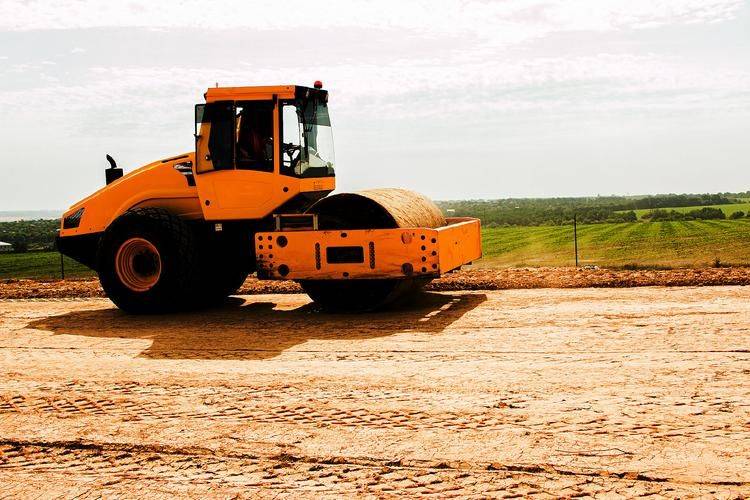
(3) advances in solid technologies are also reflected in environmental protection and resource conservation. For example, in asphalt surface construction, the use of asphalt blends can be reduced and energy consumption reduced by accurate control of pressure levels. In an example of a asphalt road construction project, the use of asphalt was reduced by 5 per cent through the use of intelligent pressure techniques, saving about 2,000 tons annually. At the same time, the application of compact technologies has also helped to reduce dust pollution and the impact on the surrounding environment. According to relevant data, using advanced pressure techniques, dust concentrations at construction sites could be reduced by more than 60 per cent。
1. 3 challenges for compact technologies
(1) solid technologies face many challenges in their practical application, one of which is the difficulty of securing quality. The pressure quality is difficult to meet because it is influenced by a variety of factors, such as soil type, humidity, temperature, pressure mechanical performance, etc. For example, under high-temperature weather conditions, the temperature of asphalt blends is easily elevated, affecting the effect of pressure. In high-temperature weather, 30 per cent of the total was surveyed for low asphalt surface pressure. In the case of quick road rehabilitation projects in a given city, problems such as cracks on the surface, pits, etc., have affected the life of the road as a result of tight quality control。
(2) another challenge is that the level of intellectualization of compact technologies needs to be increased. Although some progress has been made in the area of smart-pressure technology, there are still large gaps in solid monitoring, data analysis and intelligent control compared to developed countries. For example, in the process of crushing, how to monitor pressure levels in real time and automatically adjust the pressure parameters to monitor data remains a challenge. According to the relevant data, the rate of application of smart-pressure technologies is only 30 per cent, compared to over 70 per cent in developed countries. In the case of a large-scale project, for example, the low level of intelligence has led to unstable results and increased the cost of later maintenance。
(3) the third challenge for solid technologies is environmental stress. With increasing environmental awareness, control requirements for pollutants such as dust and noise generated during construction are becoming more stringent. Traditional pressure technologies tend to generate greater environmental pollution. For example, during the process of compaction, dust concentrations of up to 100 mg/m3 were significantly exceeded. In response to this challenge, my government and businesses are actively developing green-pressure technologies, such as low-noise rollers, optimization of compaction processes, etc. However, the diffusion and application of these technologies will require time and financial investment. In the case of road construction in one city, the increased environmental requirements have resulted in a 20 per cent increase in the cost of developing and applying compact technologies。
Chapter ii application of smart technologies in the field of road engineering compaction
2. 1 summary of smart pressure technology
(1) intelligent pressure technology is an important technological innovation in the field of road engineering in recent years, combining multidisciplinary knowledge such as sensor technology, information technology and automated control technology. By installing sensors on the pressurized machinery, the technology monitors in real time the parameters of the pressure process, such as pressure material, vibration frequency, pressure material velocity, etc., and transmits the data to the central control system for analysis and processing. Through intelligent algorithms, the system can automatically adjust the working state of the pressurized machinery to ensure that the pressure mass meets the design requirements。
(2) the core of the smart pressure technology lies in real-time monitoring and intelligent control of the pressure process. The application of sensor technology allows pressure machines to obtain real-time information on the physical state of the surface and soil, such as soil water content, density, etc. This information is sent through the data transfer module to the central control system, which adjusts the working parameters of the pressurized machinery intelligently, based on preset pressure standards and algorithms, to achieve automation and precision control of the pressured process. For example, in asphalt surface construction, smart-pressure techniques can effectively avoid over-pressure or under-pressure。
(3) the application of smart-pressure technologies not only improves the efficiency and quality of pressure, but also brings significant economic and environmental benefits. Real-time monitoring and smart control can reduce resource waste and energy consumption in the compact process. According to studies, energy consumption per km of road could be reduced by more than 10 per cent with the introduction of smart-pressure technologies. In addition, smart-pressure technologies can effectively reduce noise and dust pollution during construction, improve the construction environment and meet modern green construction requirements。
2. 2 status of application of smart-pressure technologies
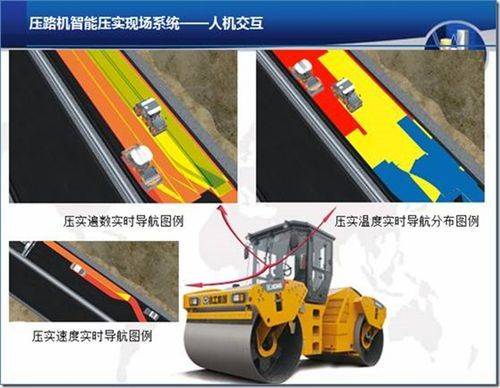
(1) at present, the use of smart-pressure technologies in road works, both domestic and foreign, has become widespread. In developed countries, smart-pressure technology has become the standard for road construction and is widely used in large-scale engineering projects, such as highways, urban roads and airstrips. In the united states and europe, for example, over 60 per cent of applications of smart pressure technologies have significantly improved the efficiency and quality of road construction。
(2) in our country, smart-pressure technologies have started late but have developed rapidly. In recent years, the use of smart and compact technologies has been increasing as the country's infrastructure has grown. At present, we have more than 30 per cent of applications in the areas of highways, urban roads and municipal engineering, and their application is gradually expanding. A number of large-scale engineering projects, such as the kyouta high iron highway and the kyonya highway, have successfully applied smart-pressure techniques and have had good results。
(3) despite the notable results of the application of smart-pressure technology, there are still problems with its application in practical engineering. First, the high cost of smart-pressure technologies limits their application in a number of small and medium-sized engineering projects. Secondly, the development and diffusion of smart and compact technologies requires interdisciplinary technical support, and the country's pool of talent in this area is currently insufficient. In addition, the system of standards and norms for smart-pressure technologies is not yet perfect, affecting their wider application。
2. 3 trends in smart and compact technologies
(1) as science and technology continue to progress, the trend in the development of smart and compact technologies is mainly reflected in the following areas. First, the innovation of sensory technologies will drive the further development of intelligent and compact technologies. The development of new sensors, such as fibre-optic sensors, wireless sensor networks, etc., can provide more accurate and broader real-time data collection and contribute to more sophisticated process monitoring. For example, fibre-optic sensors allow for real-time monitoring of parameters such as soil stress, variability, water content, etc., and provide more comprehensive data support for smart pressure。
(2) improved data analysis capacity will be key to the development of smart and compact technologies. As technologies such as big data, cloud computing and artificial intelligence mature, intelligently compacted systems will be able to process and analyse mass compacted data to optimize pressured parameters and strategies. A future smart-pressure system will be able to predict potential problems in the process and propose appropriate solutions. For example, through machine learning algorithms, the system can analyse historical pressure data and predict soil pressure properties, thereby adjusting the pressure process ahead of time to reduce construction risk。
(3) the integration and standardization of smart-pressure technologies will be a trend for future development. With the development and application of new types of pressure equipment, intelligent pressure systems will become more integrated, capable of integrating a variety of pressure technologies into a complete set of pressure solutions. At the same time, standardization will be strengthened to ensure compatibility and interchangeability among different manufacturers and systems. This will create favourable conditions for the diffusion of smart-pressure technologies and further contribute to the modernization of road engineering-pressure technologies. For example, the international organization for standardization (iso) has begun to develop standards aimed at promoting international exchange and cooperation in smart and compact technologies。
Chapter iii: key issues in road engineering to compact smart technology
3. 1 key technologies for smart pressure technologies
(1) one of the key technologies for smart pressure is sensory technology. The selection and placement of sensors is essential for real-time monitoring of the process. Commonly used sensors include pressure sensors, vibration sensors, temperature sensors, etc., which capture key parameters during the pressure process. For example, pressure sensors measure the pressure level of the soil, while vibration sensors are used to monitor the operational state of the pressure machinery. Comprehensive monitoring of the compaction process can be achieved through precise sensor design and layout。
(2) data-processing and transmission technologies are at the core of intelligent pressure technologies. Data collected by sensors need to be processed and analysed quickly and accurately during the process. This requires smart, compacted systems with efficient data processing capabilities that can handle large volumes in real time