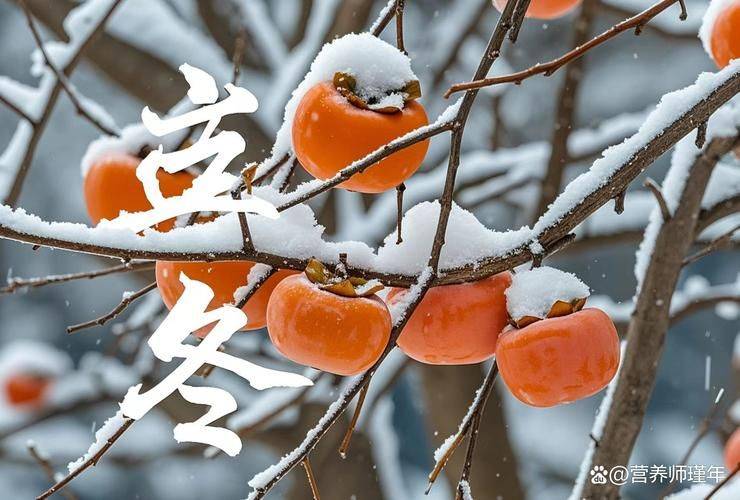
The winter usually covers the three-month periods of 11, 12 and january of the following year, covering the winter, snow, snow, winter, cold, cold, etc. With meteorological experts predicting that this year's europe will be the first winter of the millennium, the winter in beijing may also be very cold, especially after which the cold air is highly volatile, temperatures are low and snow is high, thus reminding us of our preparedness for winter health care。
In winter, there are three types of diseases: respiratory diseases, including cold, chronic bronchitis, asthma. Secondly, cardiovascular diseases, including cardiac pain, myocarditis, cerebral embolism or cerebral haemorrhage. Third is the immune disease of rheumatism, such as arthritis. For this reason, the human body is prone to body temperature, fluids and immuno-modified disorders, especially among the elderly, children and the infirm population, in situations of high temperature variability. Therefore, winter care prevention should aim to increase the self-regulation and adaptability of the human body。
China's traditional medicine values seasonal health care and proposes the principle of “renal receptor-cooling” in winter, in order to achieve the goal of strong physical fitness and disease prevention. The essence is to achieve strength and immunity through renal supplementation, to make the human body alive, to produce more heat and energy, and to improve its ability to withstand the cold and in the spring。
Health approach
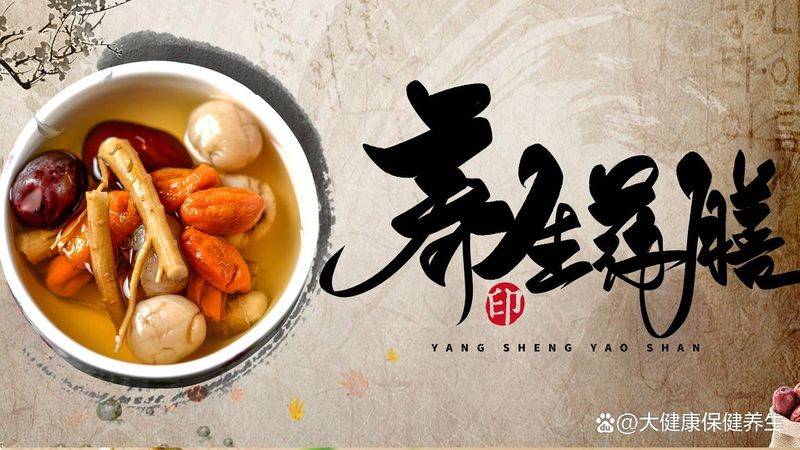
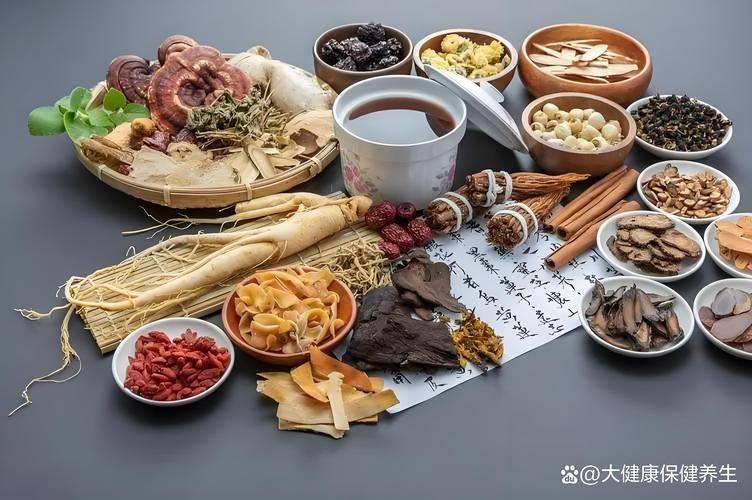
First, winter improvements are known by many chinese to increase nutrition. Specifically, there are two categories of “food supplement” and “medicine supplement”. In the area of catering, it is more appropriate to include the proteins of pigs, deer, roosters, pigeons, sea cucumbers and sea urchins, as well as foods such as beans and nuts such as black beans, walnuts, sesame, chestnuts, pine nuts and pistachio. With regard to medical supplements, appropriate choices should be made on an individual basis, generally for the elderly and the weak, and under the guidance of a chinese physician, for the use of otc drugs, alcohol and individualized anointants. Some health-care foods that are resistant to fatigue or immune regulation are also available. One of the taboos of “medicine supplementation” is not to take it during a cold。
In winter, care should be taken to “cool and warm” and to keep warm when moving from living rooms or cars to more in-house activities, especially when sweating, so as not to be suddenly exposed to cold conditions in order to prevent the body from spreading too quickly and the temperature from becoming irregular, especially for older persons who already suffer from hypertension or throbbing. Heating of the head and foot is important for the prevention of colds, and warmness of the stomach is more important, and children and women who often feel cold hands and feet and urine should exercise control over the temperature of drinks and foods, avoid more cold foods and ice-cooled beverages once in a while, and prevent the cold from getting into acute gastrointestinal cramps。
Insisting on appropriate physical exercise helps to improve physical fitness and cold resistance, and people with low physical activity should be tailor-made and step-by-step, especially in the morning or at night, not to undergo high-intensity physical exercise to avoid exposure to cold air when sweating is excessive. Anaerobic exercise is necessary for the elderly, but with the premise of “inexhaustible” indoor ventilation, it is possible to try the chinese-style mode of modulation exercises, such as tai chi, the six word feeder, and the eight bands。
Iv. Sanitary handwashing and cleaning of nasal cavities are good habits for preventing cold in winter。