Coming into the foreign trade industry, we will find that professional terminology is widespread and that it is normal not to remember all professional terms. But, as a qualified foreign trade practitioner, we must have the key terms that we often encounter in our daily work, which is at stake in our success in completing our transactions. To that end, the questionnaire has brought together the specialized terms that must be used in 50 foreign trade operations and has helped to learn the foreign trade language quickly。
Basic foreign trade terminology
This term covers basic knowledge of foreign trade and must be understood by entry-level foreign traders. For example:
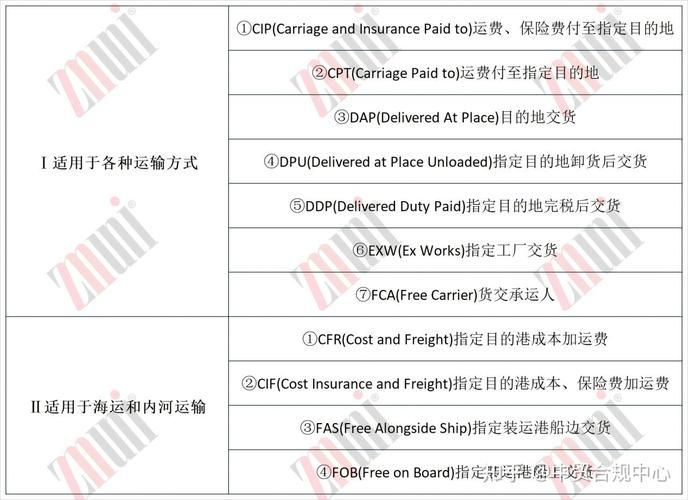
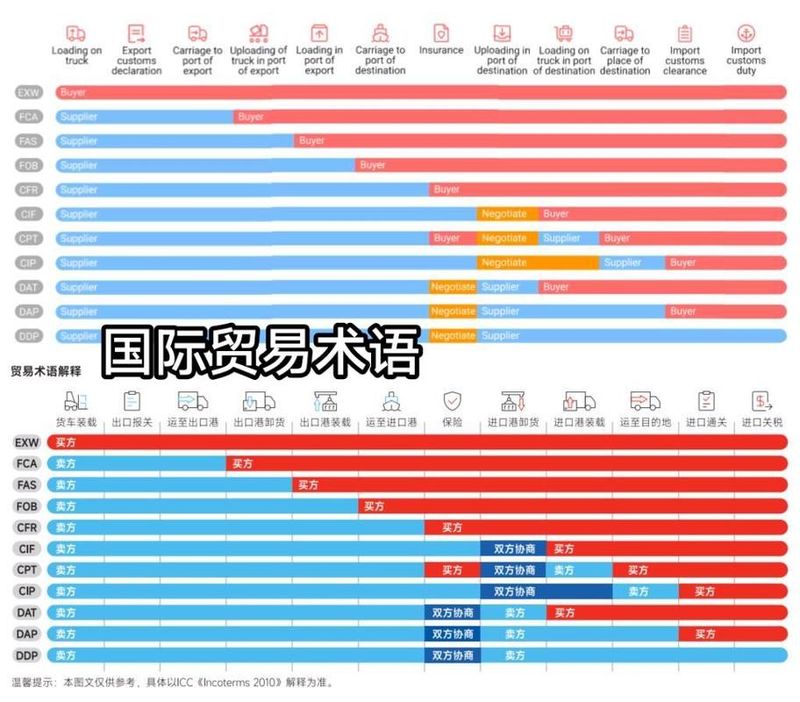
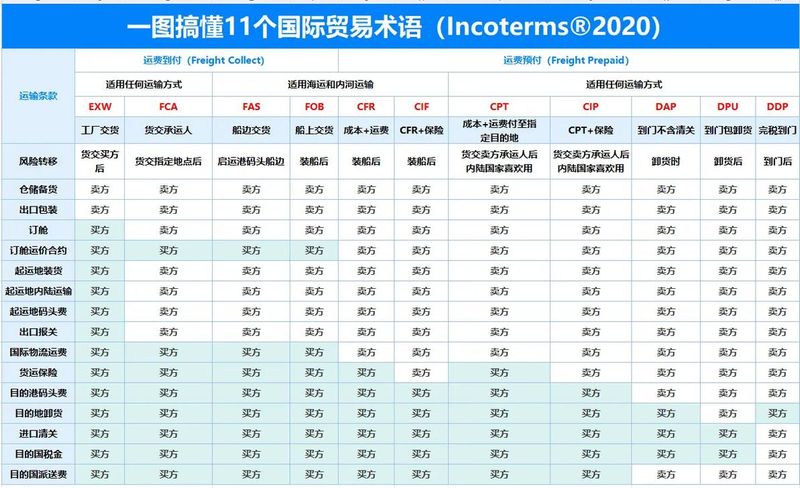
Fob: fob, seller responsible for the shipment to the shipboard and buyer's own arrangements for transport. Cif: cif: cif, seller procures transport insurance and delivers goods to buyer's port. Lc: letter of credit to secure the funds of both trading parties. Tt: wire transfers directly to the seller's account from the buyer's account through the bank. Lcl: cyclops, small shipments of less than container load are transported in shared containers. Fcl: the whole container is used for the shipment of a consignment。
Having acquired these terms, we can easily understand the terms of the trade and the manner of trade in international trade contracts and quotations. This created the basis for subsequent negotiations。
Ii. Documentary foreign trade terminology
The documentary term represents various official or commercial documents and is necessary for transport. For example:
Pi: invoice to confirm value of goods. Co: certificate of origin, confirmation of country of origin of goods. Bl: bill of lading, shipping certificate. Awb: air waybill, air waybill. Msds: chemical safety technical note. Coa: qualifications, confirmation of quality. P/l: packaging list, cargo packing list. Cert: certificates, such as waivers。
The availability of these supporting documents enables the successful completion of customs declarations and avoids delays in clearance。
Iii. Trade terminology
These terms represent key nodes in trade processes and actors. Yes。
Inquiries: the buyer's intention to procure a particular commodity. Request for quotation: the seller returned the price formula based on the enquiry. Below: the buyer's conduct in formally procuring on the basis of the quotation. Lc: see beginning. Customs declaration offices: agencies providing customs clearance services. Carrier: transport company, providing cargo transport services. Consignee: buyer, eventually acquiring the goods. Insurance companies: commercial agencies providing cargo insurance。
When trade processes and the names of participants are understood, we do not feel alienated in working communication。
Iv. Customer-type foreign trade terminology
These terms are used to describe our target clients。
Agent for sale of goods in a given area. Importers: enterprises or individuals engaged in import trade. Dealers: exclusive sales rights with a brand. Purchasers: professionals employed in the procurement of goods by businesses. Retailers: final sellers for individual consumers. Wholesale: buys large quantities of products for resale to retailers. End users: end-users who no longer sell but use the commodity。
The location of clients helps us develop targeted marketing programmes。
V. Commodities for commodity-based training terms
These terms describe the state of commodities。
Samples: small quantities of merchandise samples used for display. Cash: inventory of goods ready for immediate delivery. Bulk: unpackaged bulk cargo. Gross: unprocessed raw materials or semi-finished products. Miscellaneous goods: the broad class of goods that mix a variety of commodities. Processing trade: processing operations using customer materials. Oem: production on behalf of the worker, labelling the client's brand on the product. Odm: substitute design, with suppliers responsible for product design and production。
Distinguishing the state of commodities allows us to use terminology accurately in the processing of queries and in client exchanges。
Vi. Foreign trade terms in the transport category
Such terms represent modes and instruments of transport。
Shipping: naval transportation by ship. Air transportation: efficient transportation using aircraft. Rail transport: land transportation by train. Whole box: for the transport of goods that can be filled with a full container. Spellboxes: shared containers are used for small shipments. Bulk: ordinary truck transport without containers. Containers: standard boxes used to facilitate handling of cargo. 20/40/45-foot boxes: container specifications of different sizes。
Clear transport modes and tools will help us to accurately calculate freight costs and provide precise quotations。
Vii. Foreign trade terms for payment settlement
These terms represent financial flows in international trade。
Advance payment: money prepaid before shipment of goods. T/t: see beginning. L/c: see beginning. Cad: cash remittances, paid directly in cash. Value of customs declarations: declared prices used to calculate customs duties。
Knowledge of these payment terms allows for successful matching of funds received in transactions。
The 50 foreign trade terms that have been collated above cover multiple aspects of foreign trade work. If you have any doubts about your memory and use, you can contact the client service of the inquiries. We provide a comprehensive information-based solution for foreign trade enterprises to help you improve efficiency and business opportunities。