The world cup is hot, and the players are running around the green field. But have you ever wondered why 11 people are on the game? Where did the judges come from? Following dong woo fai-lan's fun science to find the stories behind these classic rules。
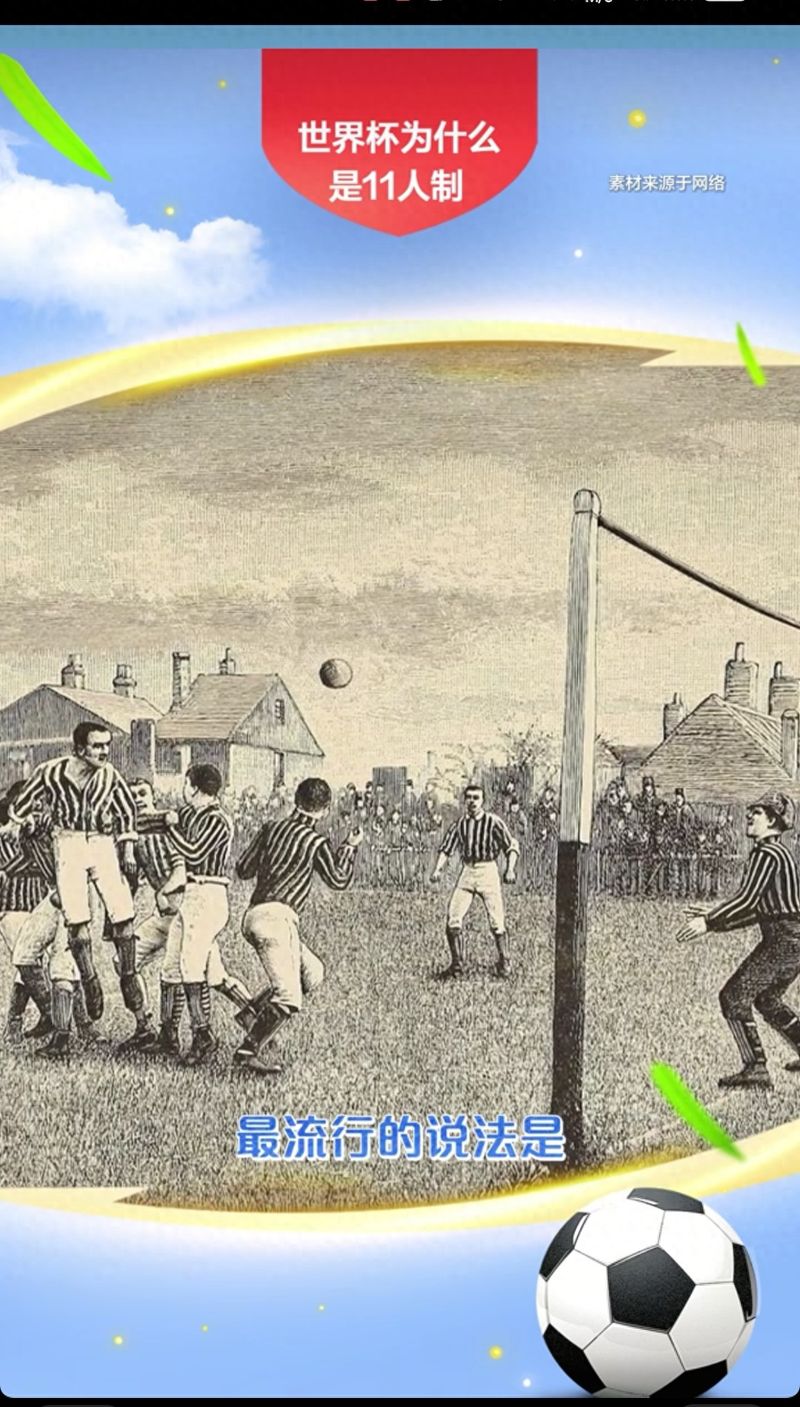
The 11-man football system dates back to the 19th century british campus. At that time, football was prevalent in universities, but there were no uniform rules, and the numbers and forms of competition varied. In 1848, cambridge university students developed the first written football rule, the cambridge rules。
The most widespread claim was that, at the time, a dormitory in the school had 10 students plus a teacher, and played between the dormitory, a team of 11 was automatically formed. It has been proven over a long period of time that the number of people matching the standard field is a good match, offering a variety of tactics without overcrowding. Finally, the 11-person system has been formalized as a general rule and has been maintained to date。
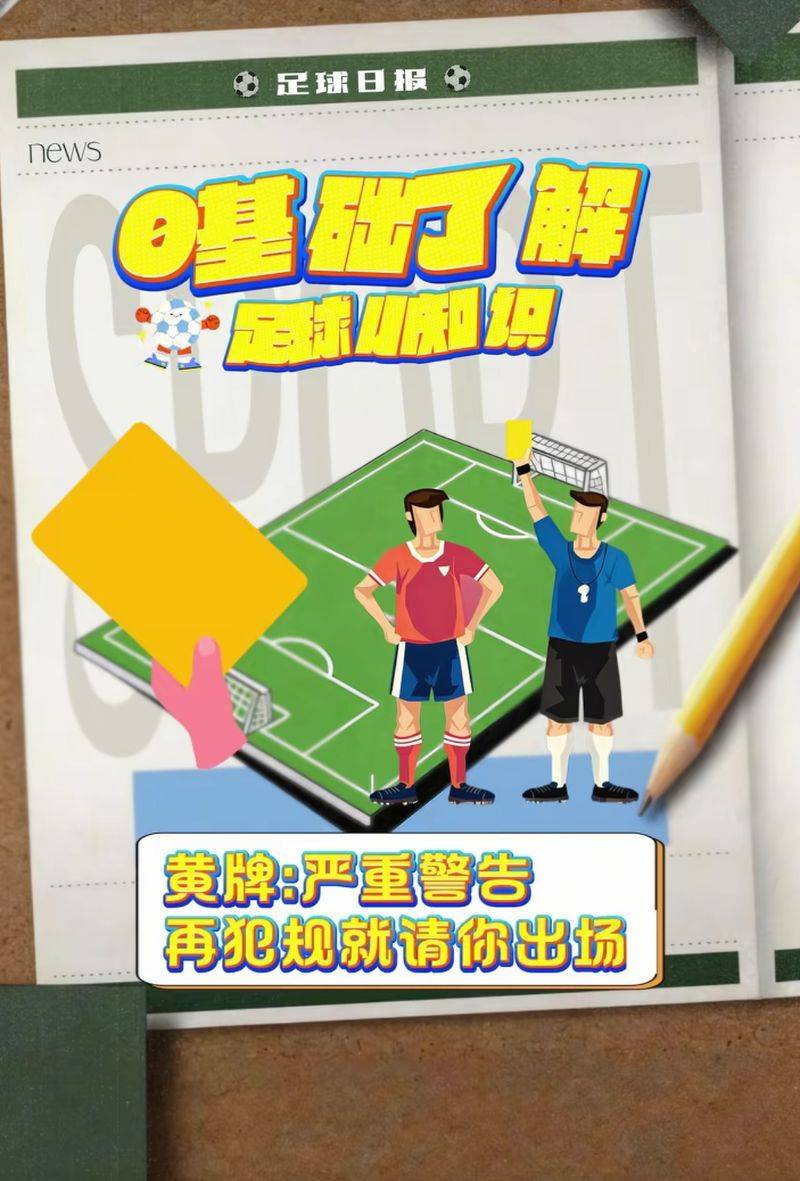
And the red and yellow brands on the field are all the more clever. The 1966 world cup had been marked by frequent conflicts and lack of language had made it difficult for the judges to control it. The chairman of the united nations board of auditors of fifa, ken aston, inspired by the street red and green light, gave rise to the idea of designing a red and yellow card。
In the 1970 world cup, the red and yellow card system was officially launched. The yellow card warns the game, and the red card kicks the players straight out, and the team can't make up. The two small cards break language barriers and become a universal language for fans and players around the world。
Looks like the usual rules of the game, with a funny past behind them. Getting to know this stuff, watching the world cup and having another fun
Dong woo fai's cope is never more a point of knowledge. He deciphers common sense in popular and interesting language, making dry history and rules vividly understandable, and allowing people to learn about culture and growth while pursuing hot spots and watching games. This easy way of sharing also allows knowledge to move out of books and into public life, which is the unique charm and value of fun science。
# world cup # dong woo fai # soccer cold knowledge # football cope