In the stars of chinese history and literature, the scylla feng yumoto, like a shooting star burning fire, cuts through 2,000 years of time. The exception of feng yu, who is not a king but who has been moved by sema to be included in the present era, which only the son of god can enjoy, is profound in itself. The great father of history, who gave this loser the immutable biography, has left us with the one that is still raging: how can a hero die
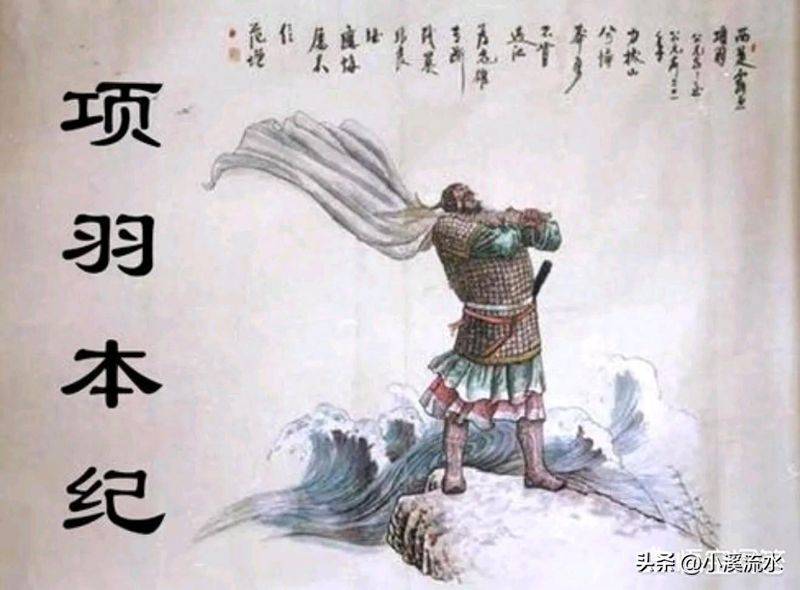
I. The unique mind of the narrative structure
The narrative of ya yumoto came first from the cutting and arranging of materials by the samaji. The whole article starts with "young yae yu" — no books, no swords, no martial arts, a little knowledge, no learning. With a few words, a gifted man who refuses to go deep and swallows mountain rivers lacks patience. “absolutely” — the utterance of the qin emperor when he saw him was more than an expression of the emperor's ambitions。
Instead of documenting the events in a straightforward manner, it was the first culmination of the “big deer war,” the turning point of destiny, and the final chapter of the “founding down” that formed the classic tragic structure of “emergence – democratization.” this arrangement is not a simple narrative, but rather implies a great sense of the fate of lord yu: the defects of character had been buried long before the glory, and the peak moment was the beginning of the collapse。
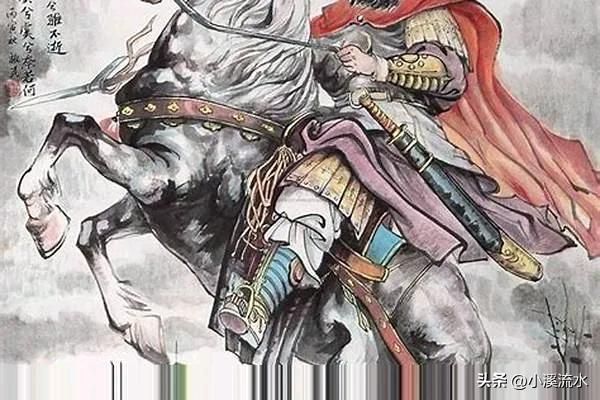
Ii. Double image in the war scene
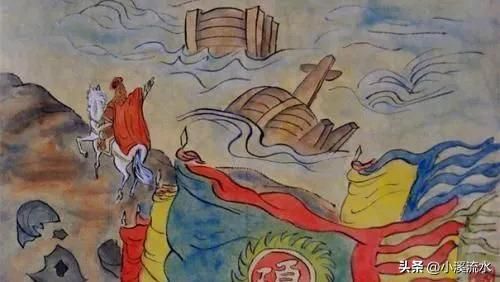
The battle of the deer was the hero coronation of lord yu. The eradication of the “defeating ship”, the bravery of the “nine battles” and the contrast of “all the people will look up to the wall” and the details of the post-war “all the people will walk in the door and not look down on them” have pushed a military genius from the wind to the altar. The sema moved with extremely graphic tacts, making the reader feel as if he was in the field, and felt that the stock was under pressure。
Yet another image emerges in the same war. And the pit slain more than 200,000 of qin's soldiers, and the palace of xianyang burned in fire for three months. These atrocities are in contrast to heroism. These details are recorded in an undisguised manner by the sema, allowing readers to see that heroes and butchers can coexist in the same person, and that courage and brutality are often only a line away。
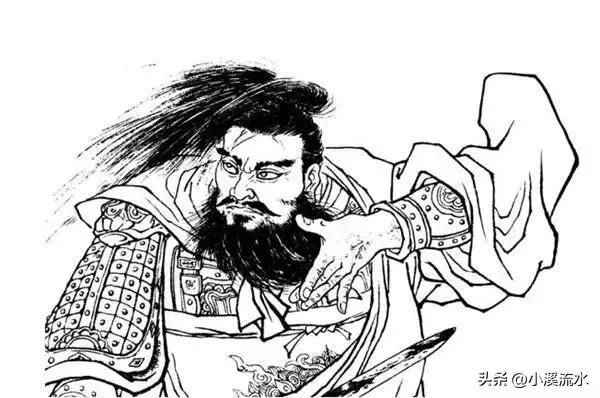
Iii. Emotional strengthenings of the single
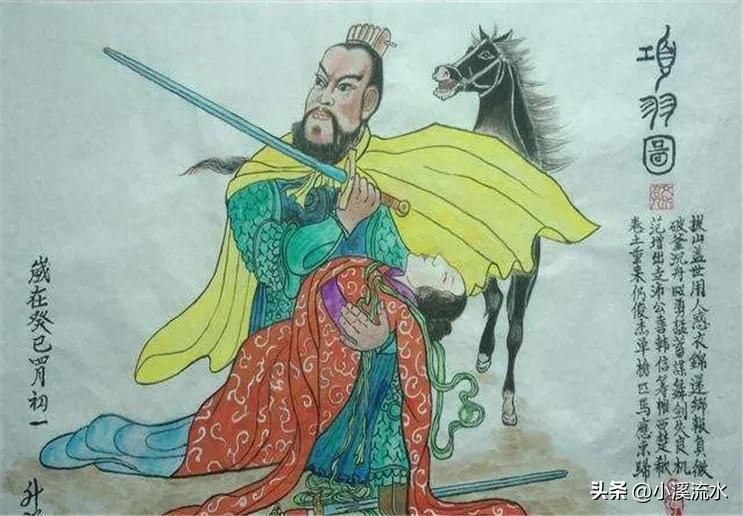
There is no more moving than the writing of the book under the roof. Sema has moved here to show a rare literary talent of historians, pushing the tragedy to the height of emotion。
“the earth is full of mountains, and the days are not long. "i'm in danger." this song is the last footnote of yu's life. He thought his failure was a “crime of god, not war” and never looked back on his own problems. This obsession gives readers a sense of near-depressive ignorance in their sighs。
On the other hand, the scene of the "ujiang" ended with the formation of a tragic hero. He told him to cross the river, and he laughed, "how am i to die? How can i see no one who crosses the river with 8,000 men?" this smile, this statement, has allowed a man who has just used himself to display at the end of his life the horrors of human dignity and compassion. He ended up giving his head to the children of his generation, and he pushed this complex humanity to the extreme — even at the last moment, he maintained noble pride and generosity。
Iv. The meaning behind the writing of history
Sema has moved to the yu, with an indescribable temperature on the pen. This temperature comes from both his natural sympathy for the tragic hero and his own life experience. The tyrannical man who was humiliated by the ceremonial punishment had a deeper understanding than usual of the losers, the invincibility of fate, the obsession with heroes and tragedies。
He included lord yu in this book, not just respect for historical facts. And, indeed, it was the command of o yu to divide the world — a tribute to a life gesture. From the standpoint of sema, success or failure is not the only measure of a person. Though he was “dead in the east side, not aware of it”, his bravery, his pride, his remorse and his refusal to cross the river constitute a powerful life. Even if it ends in failure, it is far more worth writing than many of the modest success stories。
V. The dual dimension of historical evaluation
At the end of the article, the key to reading the whole text was: "it's hard to take care of the feathers, to banish the emperor and to be self-sufficient, to blame the rebels. How can it not be true that i was killed in heaven and not in the hands of the soldiers?”
This criticism is a bloodbath. Samahi clearly points out the underlying causes of the failure: short-sightedness (back-care), bad use of people (scrambling their own minds), superstition (in order to use their power to run the world) and death. That's the cool side of historians。
But then he turned around and added folklore and personal feelings: “i heard it all around, ‘i have a heavy eye,’ and ‘ew yu too.’ this is the last tribute to this failed hero。
Together these two dimensions are the greatness of the code: it is both a sober historical analysis and a qualitative literary creation; it recognizes the necessity of failure and does not conceal praise for heroes。
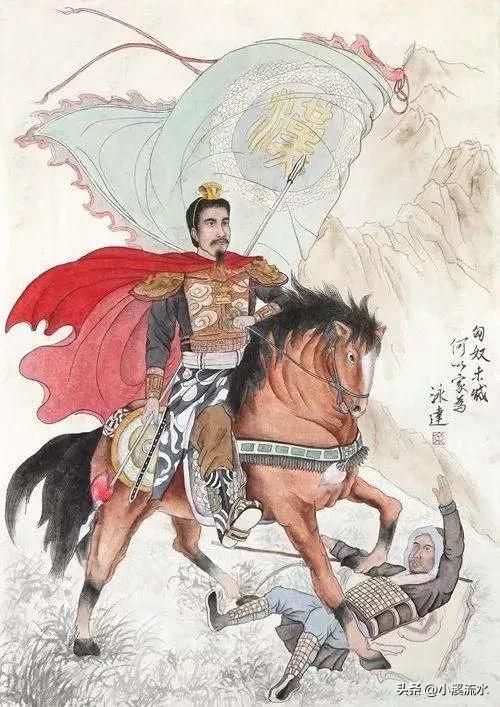
Lord yu did not finally become the ruler of the world, and he did not even know the basic rules of political games. But with his heroism, he occupied an irreplaceable place in chinese cultural memory. Lee qing zhong zhi yun: "though you think of lord yu, you won't cross jiangdong." such thoughts are not about success, but rather about the bloodline that is not intact, which is still straight in the end。
The greatness of the swedes is that he has gone beyond the triumphs of a lifetime and lost, leaving behind for later generations a plume that is true and poetic. By reading the code, we have seen not only the end of a period of history, but also the strength of a personality, a life gesture worth remembering even if it fails. Perhaps that is the secret of lord's life, which is still in people's hearts, over 2,000 years. In one human being, we see at the same time the great banks of humanity, the darkness of humanity and the eternal struggle and dignity in the face of uncertainty。