The melisa virus incident of spring 1998, the cih virus incident of summer 1998, the episode virus event of 1999, the convulsive virus event of 2004, the panda sauna virus incident of 2007, the extortion virus of 2017..


Protection against cyber attacks
It's urgent
What's a cyber attack
Cyber attacks
Cyberattacks (cyber attacks, also known as cyber attacks) are any type of offensive actions directed against computer information systems, infrastructure, computer networks or personal computer equipment。
For computers and computer networks, the destruction, disclosure, modification, disablement of software or services, and the theft of or access to data from any computer without authorization are considered attacks on computers and computer networks。
Common cyberattacks
1. Password intrusion: illegal elements illegally log in your accounts before carrying out attacks。

Trojan horse: the bad guy sets a “fish bait” when you download, install, run and then your account will have no secret。
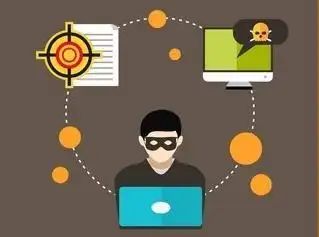
3. Www deceiving: you're going to visit website a, and the bad guys are going to get you to actually visit website b, the bad guys, and then you can lie about it any way you want。

4. E-mail attack: the illegals keep sending spam to your mailbox, paralysing the system and then doing bad things。

5. Nodal attacks: once the outlaws have attacked and controlled your computer, they attack and control other important websites, and after investigations generally only find you here, and your computer becomes commonly known as a meat chicken, zombie machine。

Web listening: in the same section, the outlaws are able to receive all the information transmitted by opening a certain mode of work。

7. Hacker software: the illicit molecule can illegally acquire the ultimate user-level rights of a user computer, with complete control over it, and, in addition to being able to perform document operations, it can also perform desktop mapping, passwords, etc。

8. Security loopholes: many systems have security gaps (bugs), such as our usual windows operating systems, which often need to be patched to fill the security gaps that have emerged. If these holes are not filled, they will be used by the bad people to access your computer privileges and even your computer data。
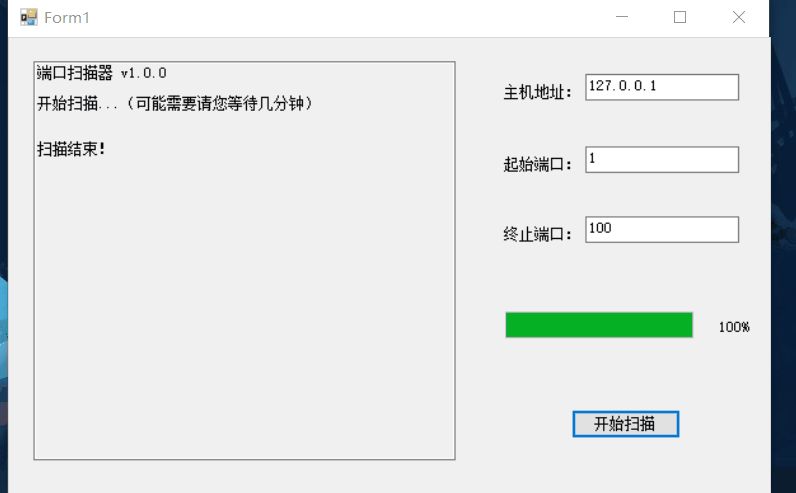
9. Port scanning: in this way, bad people can know whether your computer port is active, what services the mainframe provides, whether there are certain defects in the service, etc., and often a prelude to further attacks。

At first glance, cyber-attacks are puzzling and inexorable, and are designed to control, steal and destroy through a range of technical operations。
So, how do we prevent cyber attacks

For the individual..
1. A password of not less than eight places shall contain numbers, letters, symbols, without complete vocabulary, user name, name, birthday, etc。
2. Installation of poison-killing software and periodic killings。
3. Timely system patches。
4. Installation of software that is formally downloaded and that is not accessible。
5. Not viewing irregular websites
For units and enterprises..
1. Strengthen internal security awareness training, enhance cyber security awareness and secure the security portal from the source。
2. Maintain basic preparedness, security risk assessment and regular patrols, develop cybersecurity systems and contingency plans and improve emergency response capacity。
3. Strengthen controls over servers, network security equipment, machine rooms, etc., complete new equipment, overhaul and configuration logs in a timely and accurate manner, and periodically change server passwords。
4. Optimizing cybersecurity strategies, equipped with specialized firewalls, operational, traffic and threat monitoring of the internal network and generating a network security log。
5. Regular testing of software, computer firewalls and poison-killing software, timely upgrades, repair of gaps, timely backup of databases and enhanced management of off-site computing equipment。