Remember that amazing state reform at the end of the last century? The time when the word "released" made families nervous? Between 1995 and 2002, a total of nearly 40 million state employees were laid off. What happened to the people who were holding a "re-employment card" and dragging a little cart on the street
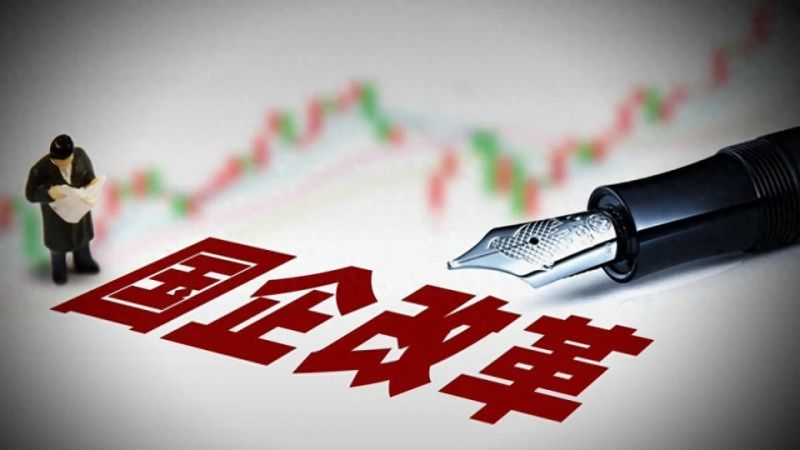
Are they successful in transforming into entrepreneurship or are they relentlessly crushed in the flood of social transformation? Did these people really fall to the bottom of their lives after the iron jobs broke
Why is iron job broken
When it comes to the wave of layoffs, it is necessary to start with that particular historical context. In the 1990s, the chinese economy was at a critical stage in its transition from a planned to a market economy。
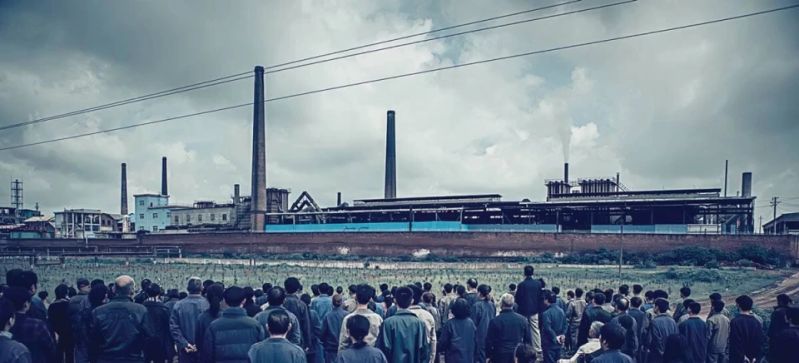
State-owned enterprises at the time generally faced problems of "triangular debt", inefficiency and redundancy. According to statistics, about 43 per cent of state-owned enterprises in the country were in deficit in 1996, with a total loss of over $79 billion, equivalent to 12 per cent of the state's fiscal revenues in 1996
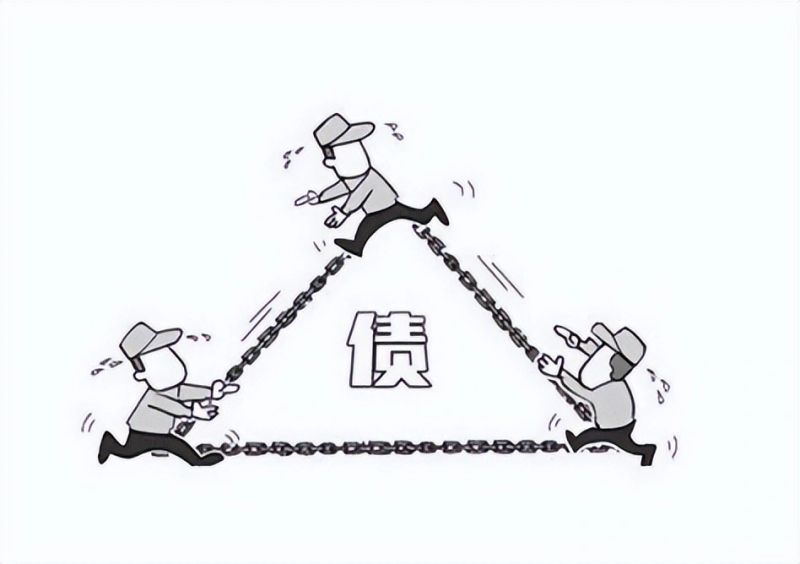
What is this concept? For example, like a 5,000-year-old family with a 600-month-fixed-deficit "trawl bottle" business, which would have brought down the entire household economy. Faced with this situation, the state had to resolve to reform。
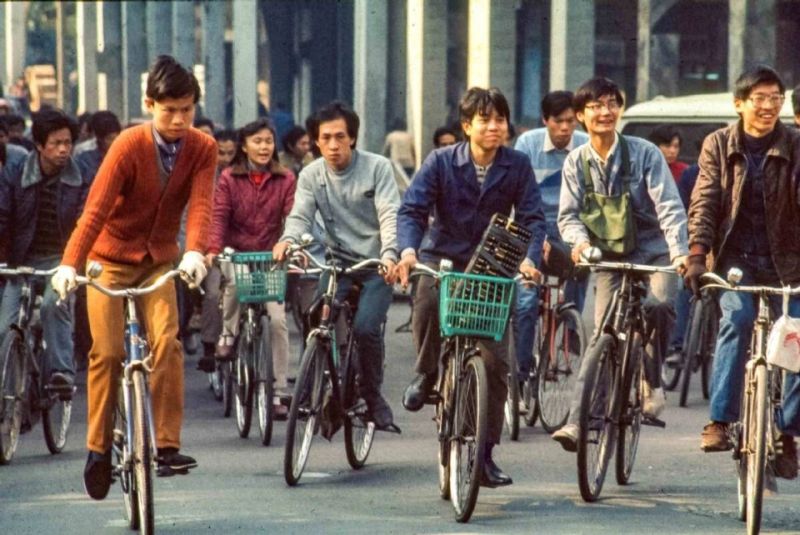
At the time, there was a popular word called "smuggling" — large state enterprises that depended on the lives of the people of the reserving state, while small and medium-sized state enterprises pushed towards markets, merger reorganization or liquidation. It's like a big operation, painful but essential。
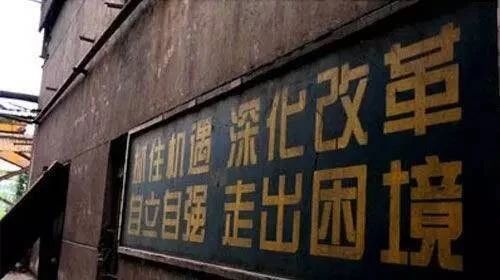
The plant was not very efficient, but no one was anxious to get paid at the end of the month. This pattern of inefficient functioning is clearly unsustainable in the context of the market economy。
The initial dilemma of layoff
State-run reforms have taken place, but for ordinary workers, lay-off is a sudden storm。
According to the survey data at that time, the average age of laid-off workers was 38. 7 years, a "golden period" of life, but had to face unemployment. More cruelly, 82 per cent of laid-off workers have upper secondary education and below, have limited professional skills and are extremely difficult to re-enter。
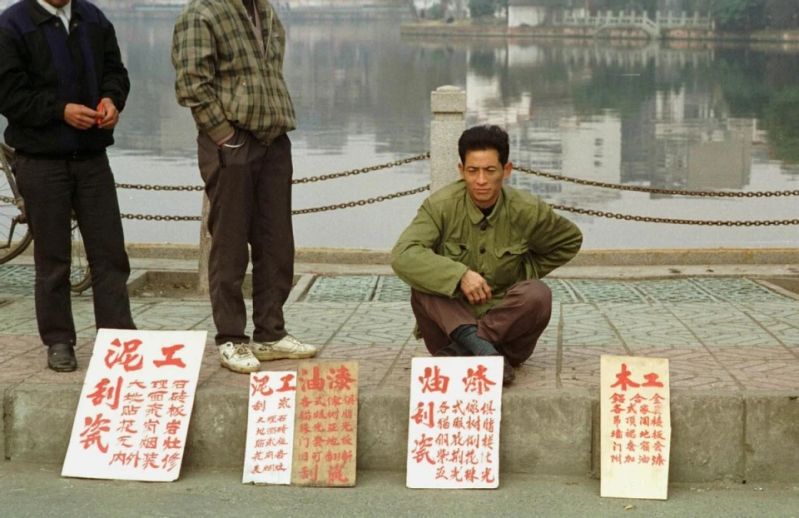
In the first few years following their release from work, many workers did indeed find themselves in a difficult situation. According to statistics, between 1997 and 1999, the registered urban unemployment rate continued to rise from 3. 1 per cent to 3. 6 per cent. However, this figure does not include a large number of unregistered laid-off workers, and the actual unemployment rate is much higher. At that time, surveys showed that about 57 per cent of laid-off households had lost more than 50 per cent of their income and that the quality of life had fallen sharply。
Re-employment projects and the establishment of social security
Nor did the state stand idly by in the face of the survival crisis of tens of millions of laid-off workers. In 1998, the state council launched a powerful "re-employment project" to provide laid-off workers with policy support such as job training, microcredit and tax incentives。
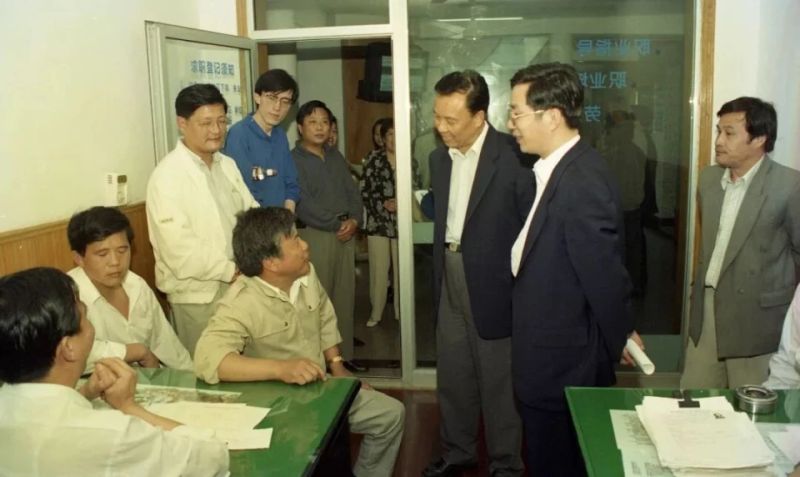
At the same time, this period is a crucial stage in the establishment of china's modern social security system. In 1999, the state council issued the decision on the establishment of a basic health insurance system for urban employees; in 2000, the unemployment insurance ordinance was promulgated. These policies have created a minimum safety net for laid-off workers。
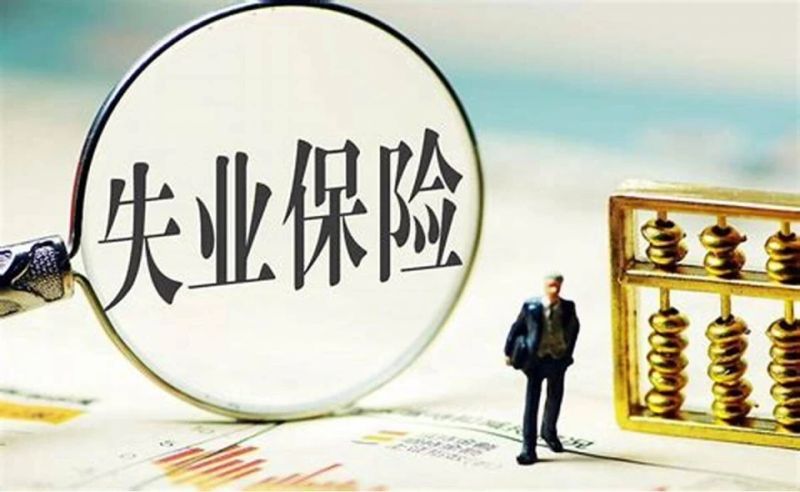
The data show that, by the end of 2002, the number of people covered by basic urban old-age insurance had reached 147 million, an increase of 47 million over 1997, while the number of persons covered by unemployment insurance had reached 102 million, an increase of 38 million. Behind these figures is the responsibility of the state for the group of laid-off workers。
The separation of laid-off workers 25 years later
After 25 years of development, the group of laid-off workers had become significantly different in that year. According to a social survey conducted in 2020, these categories can be broadly classified as follows:
About 15 per cent of the population has significantly improved their standard of living through entrepreneurship or re-employment, even more than their colleagues who had not been laid off
Some 60 per cent of the population has achieved steady employment by various means, with a medium quality of life, and is almost self-sufficient; about 20 per cent have been in precarious employment, dependent on child support or social assistance to support their basic livelihood; and about 5 per cent have experienced chronic unemployment for various reasons (health, age, etc.) and are experiencing difficulties。
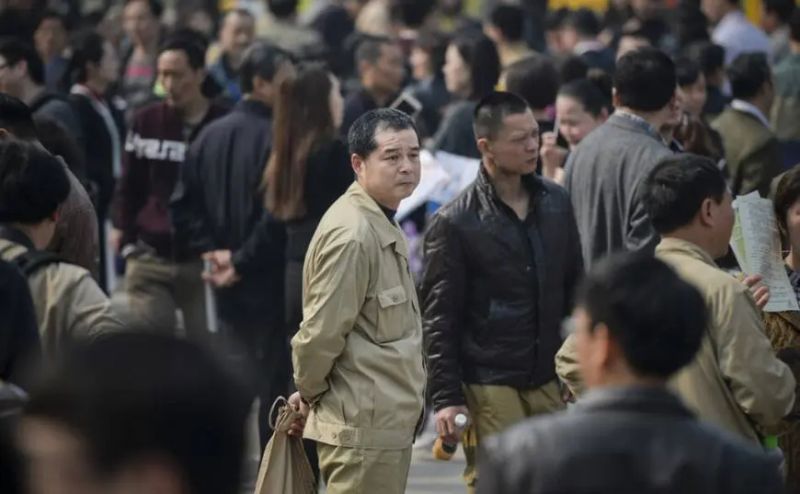
Most embarrassingly, many laid-off workers ' pensions are lower due to the interruption of social security contributions during the period of lay-off. According to statistics, in 2023, the national average monthly pension for enterprise retirees was around $3,400, while the average retirement pension for persons who had been laid off and re-employed was about $2,600, with a marked difference。
Meaning of laid-off workers for economic transformation in china
Looking back at this history, the group of laid-off workers is actually the "sacrifice" and "contributors" of china's economic transition。
Between 1995 and 2005, the economic benefits of the reform of state enterprises were estimated to be more than 3 trillion yuan, with the value-added of the preservation of state assets shifting from negative to positive. More importantly, the reforms have unleashed enormous market dynamism and laid the foundation for china's accession to wto and subsequent high-speed development。

Economists have analysed that without the reforms of state enterprises and the sacrifices of laid-off workers in the past, china could have suffered from prolonged economic stagnation, as in some former soviet union countries. From this perspective, the group of laid-off workers has made a special contribution to the modernization process in china。
Destiny of children of laid-off workers
It is worth noting that, although laid-off workers themselves have experienced considerable setbacks, their children tend to cross classes. According to a follow-up survey of 1,000 families of laid-off workers, 68 per cent of their children received university degrees and above, above the national average for the same period。

There are profound psychosocial factors behind this phenomenon — many laid-off workers will want to place their hopes in the next generation and will do their utmost to support the education of their children. "i can suffer, but the children have to pay for it" becomes the consensus of this generation。
China's specialty reform path from the drop-off trend
Looking back at the wave of reforms and layoffs in state enterprises, it has to be acknowledged that this is an extremely difficult but necessary historical choice. China has adopted a more progressive path of reform than other countries in transition to minimize social shocks。
For example, china has created a special status as "dismissal", which allows workers to maintain links with enterprises and enjoy basic livelihood security; it has also helped to transform laid-off workers through policy measures such as re-employment projects and microcredit. This "china identity" reform approach, which promotes economic development while maintaining social stability, is a typical example of what the international community calls the "china model"。
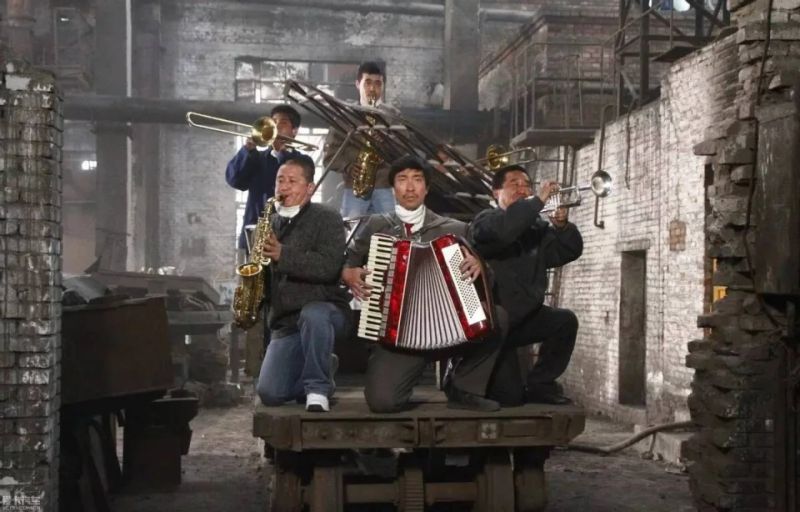
According to some scholars, the most valuable experience in state enterprise reform is that of promoting marketization without losing sight of social responsibility, which respects economic law and takes care of the needs of the people, which is what china’s socialism deserves。
What the dismissal experience means to today
Today, with the globalization of the economy and the acceleration of the technological revolution, professional transformation has become the norm. In a sense, the wave of layoffs revealed that, in a time of rapid change, lifelong learning and adaptability were more important than fixed work, and that improvements in the social security system were the basic safeguard against job uncertainty。
The dismissal of that year, which seemed like a disaster, forced us to adapt ahead of schedule to the competition rules of the market economy. Now think about it. It was forced♪ grow up ♪'the pain is worth it.'

Today, most of the groups of laid-off workers in the 1990s have retired or are about to retire. Their stories are both the rise and fall of personal destiny and a microcosm of china's reform process. With their sacrifices and struggles, they have written a special and important chapter for china's modernization process. While commemorating that history, we should also reflect on how best to guarantee the later life of this group, which is both respect for history and responsibility for the future。
History will not forget that the stories of ordinary people struggling to survive the wave of reform deserve to be remembered, and their contributions remembered。