The performance of circuit boards as core parts of electronic equipment directly affects the stable operation of the system as a whole. In practical use, effective maintenance methods are essential because of the various reasons for which circuit boards may fail. The following is a summary and analysis of common circuit board maintenance methods。
I. Types of common malfunctions on circuit boards
Prior to maintenance, there is a need to identify the type of failure that the circuit boards may have, which will help to improve maintenance efficiency. Common failures include:
Type of failure
Performance characteristics
Short circuit
Power abnormality, heat, burning
Break
The device cannot be activated and partially disabled
Widget damage
Electric drum packs, electrical barriers, chip burning
Val
Interruptive failure, poor contact
Electro-aging
Irregular operation of equipment, increased noise
Ii. Common methods of repair of circuit boards
For the above type of failure, a variety of maintenance techniques are available, including several common maintenance methods and their applicable scenarios, as follows:
Maintenance methods
Annotations
Apply scene
Visual inspection
Observe through the naked eye whether there are visible burns, cracks, electric drum packs, etc
Initial check, for simple failure
All forms test
The normality of the circuit is determined by measuring parameters such as voltage, current, resistance, etc
Short-range positioning, cut-off
Oscilloscope testing
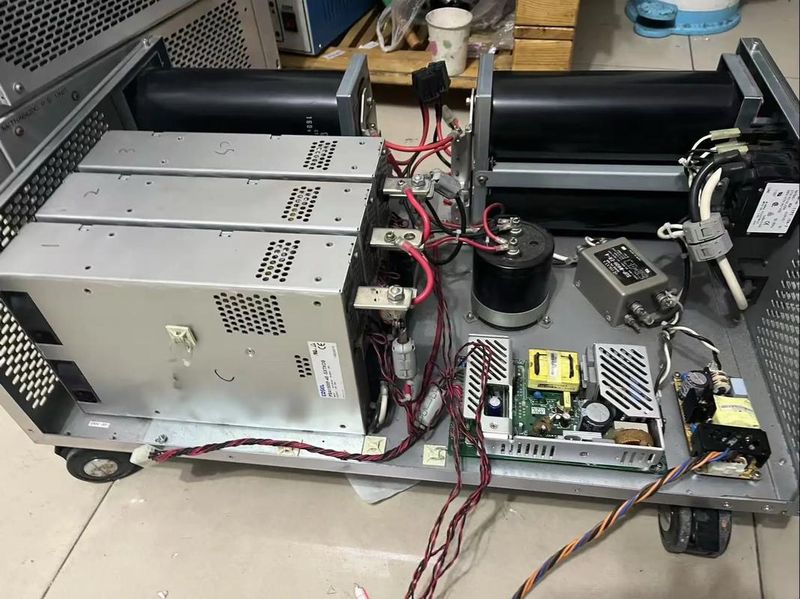
See the signal wave shape through the oscillator and determine the state of the circuit
Complex circuits, high frequency signal circuits
Heat imager testing
Whether there is overheating or welding by temperature distribution
High-density circuit boards, large power modules
Replace widgets
Replacement of damaged metaware, e. G., capacitor, resistance, ic, etc
Use when individual widgets are damaged
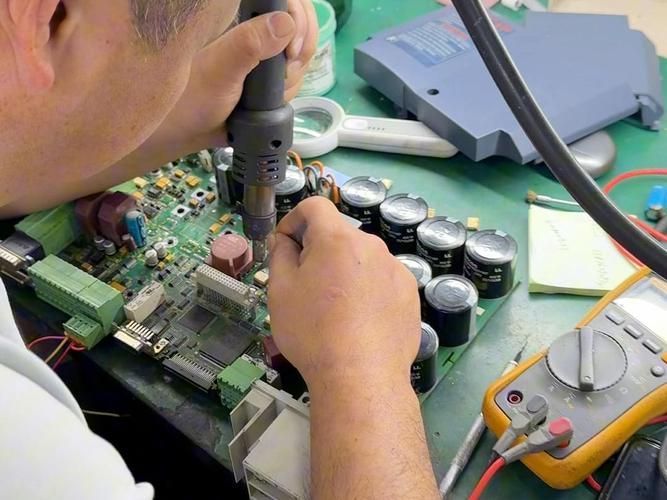
Weld restoration
Welding devices on circuit boards, especially bga sealed chips
Welding, welding problems
Simulation software support
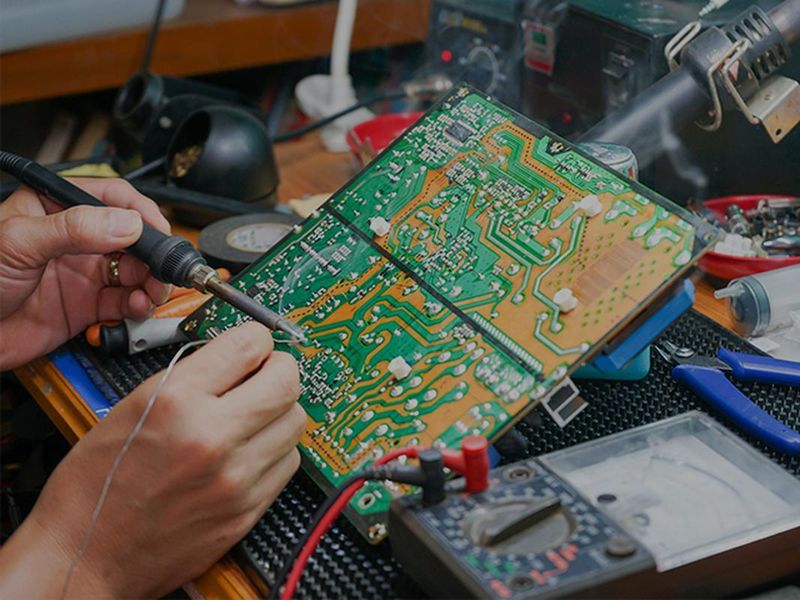
Simulate circuit working conditions using circuit simulation software to help locate problems
Complex circuit design phase or commissioning phase
Iii. Maintenance care
In the maintenance of circuit boards, the following points require attention to ensure safety and effectiveness:
1. Power outage operations: power must be cut before maintenance is performed to prevent electrical contact or secondary damage。
2. Anti-static measures: wearing electrostatic bracelets to avoid damage to sensitive elements by electrostatic power。
3. Tool selection: improve maintenance accuracy using appropriate tools such as iron branding, universal meters, magnifiers, etc。
4. Recording process: detailing maintenance steps and replacement elements to facilitate subsequent maintenance and traceability。
5. Test validation: upon completion of maintenance, functional tests should be performed to ensure that circuit boards return to normal operation。
Summary
The maintenance of circuit boards is a more technical undertaking that needs to be combined with theoretical knowledge and practical experience. Different types of failure correspond to different methods of maintenance and can effectively improve the efficiency and success of maintenance by rational selection and integration of tools. At the same time, a focus on safe handling and detailed handling is key to ensuring quality maintenance。