Non-standard automated mechanical equipment is an automated equipment designed specifically for specific needs, the core of which is the organic integration of mechanical structures, control systems and software systems. Such equipment is often not subject to standard equipment and can be tailored to the needs of clients to automate and intellectualize production processes. The preparation and maintenance requirements for non-standard automation #mechanical equipment before production are as follows:
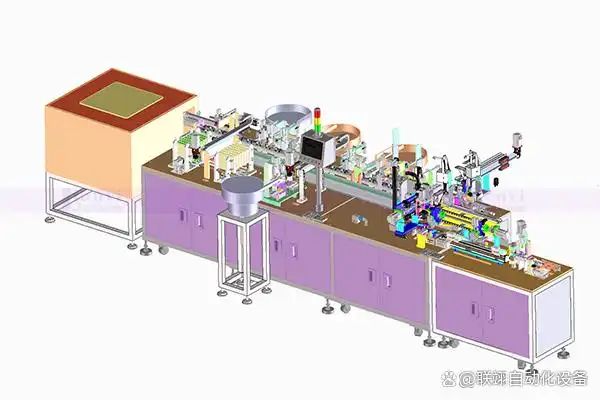
Non-standard automated mechanical equipment
Pre-production preparations
Non-standard automation machinery requires adequate preparation before production to ensure a smooth production process. These include equipment installation, commissioning, staff training, security measures, etc。
Equipment installation
Installation of non-standard automated machinery is an important pre-production component. Before installation, full inspection and testing of the equipment is required to ensure that it is functional. At the same time, the equipment needs to be adapted and secured to the physical environment of the production site to ensure its stability and safety。
Debug
Debugging is a key step in ensuring that non-standard automated machinery is functional. After the installation of the equipment, a full commissioning of the equipment, including electrical systems, control systems, transmission systems, safety protections, etc., is required. In debugging, close attention needs to be paid to the operational status of the equipment, to timely detection and resolution of problems and to ensure that the equipment meets the expected performance requirements。
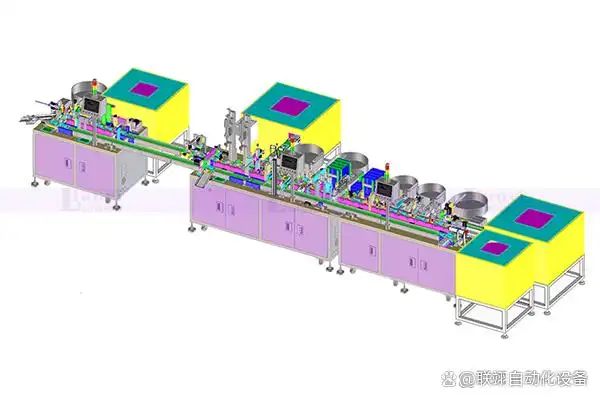
Non-standard automated mechanical equipment
3. Training of personnel
Personnel training is required prior to the production of non-standard automated machinery equipment to ensure the smooth running of the production process. The training included equipment operations, maintenance and troubleshooting. Through training, staff members are provided with knowledge of the equipment's operating processes, care and maintenance methods, and professional skills and safety awareness are raised。
4. Security measures
The necessary safety measures are required prior to the production of non-standard automated machinery to ensure the safety of the production process. This includes the installation of security alert signs, the installation of security rasters, the isolation of hazardous areas and the provision of security protection equipment. At the same time, regular security checks are required to detect and address security risks in a timely manner。
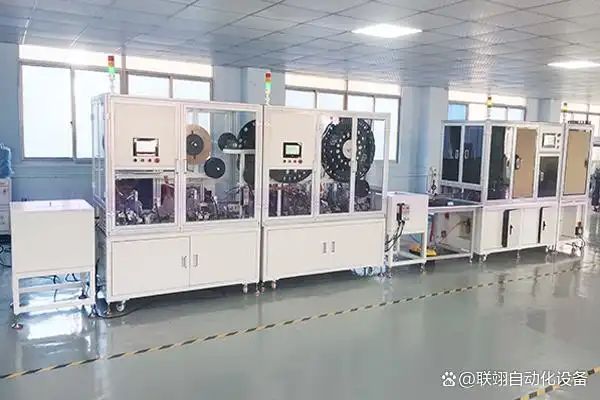
Non-standard automated mechanical equipment
Ii. Maintenance requirements
The maintenance of non-standard automation machinery is an important element in ensuring the proper functioning of the equipment. The following are some of the requirements for maintenance:
Regular maintenance
Non-standard automated machinery requires regular maintenance, generally including weekly, monthly and quarterly inspections. During maintenance, it is necessary to check the normality of the various components of the equipment, identify and resolve potential problems in a timely manner and ensure the stable operation of the equipment。
2. Normative operation
The operation of non-standard automated mechanical equipment needs to be carried out in strict compliance with regulations to avoid damage to the equipment from improper operations. Staff need to understand the process, care and maintenance of the equipment to ensure its proper operation and useful life。
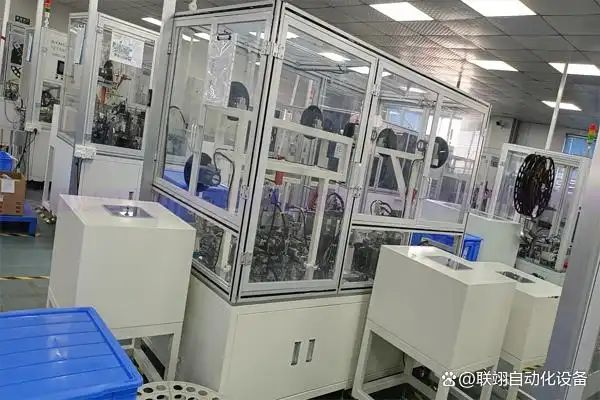
Non-standard automated mechanical equipment
3. Maintenance records
To ensure that the historical and maintenance effects of equipment are recorded, maintenance files of equipment should be established. Maintenance files should include details of maintenance time, maintenance content, replacement components, cause of failure, etc. Analysis of maintenance records allows for the timely detection of equipment problems and provides reference for future maintenance。
4. Preventive maintenance
Non-standard automation machinery requires preventive maintenance to reduce equipment failure. Precautionary maintenance includes regular lubricating oil, cleaning equipment, inspection of hardware, etc. The implementation of preventive maintenance allows for the extension of the useful life of the equipment and increases the efficiency of production。
5. Emergency fault management
Non-standard automated machinery may experience emergency malfunctions during production, such as loss of axes, carcasses, etc. In order to respond to emergency failures, contingency plans should be developed and emergency failure management methods, such as emergency shutdowns, safety precautions, etc., need to be learned and mastered during maintenance and periodic exercises conducted. At the same time, emergency components and tools will need to be prepared to be needed from time to time. Ensure continuity and stability of production processes。
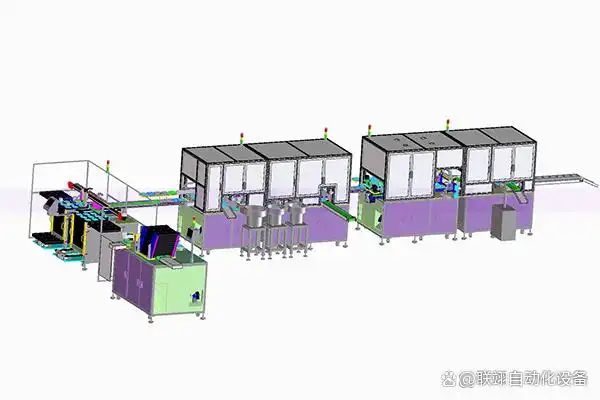
Non-standard automated mechanical equipment
6. Preventive maintenance
Preventive maintenance is required to reduce equipment failure. This includes regular lubrication, cleaning, inspection, etc. Of critical components of equipment. Preventive maintenance allows for the early detection of potential problems, the avoidance of equipment malfunctions and the extension of the useful life of equipment。
In general, pre-production preparation and maintenance requirements for non-standard automated machinery are important. Adequate preparation would ensure the proper operation of the equipment and increase productivity. Through reasonable maintenance requirements, the service life of the equipment can be extended, equipment failure reduced and the economic efficiency of the enterprise enhanced。