Electric stretch door maintenance may involve multiple problems and corresponding solutions. The following are common problems and solutions:
1. No correction or correction of the differential effect: it may be due to the extreme distance of the clarinet from the ground, the damage of the clarinet, the fall of the magnet or the incorrect position. The solutions included repositioning the dry clarinet, replacing the dry clarinet and checking the installation of magnets。
2. Double power is not capable of being activated: it may be due to powerlessness or the melting of fuses. The solution is to check the power and switch and replace the fuse。
3. Manual clutch failure: may be due to damage to the handle or to the containment of the clutch. The solution would be to change the handle or to replace the left and right rotation output gear。
4. Electrical turns but remains untouched: this may be due to the fact that the clutch is in a dislocated position. The solution is to check the clutch position。
5. Two seconds after the door has been opened and two seconds after it has stopped or closed: it may be caused by the fall of the magnet or by at least one damage to or poor contact with the deorbiting clarinet. The solution is to check the installation of magnets and check and replace de-orbiting clarinets。
6. Immediately reverses the operation of the shut-down: it may be due to the damage caused by a barrier in front of the door or by the anti-ray electrical switch. The solution would be to remove the front door barrier or replace the pv switch。
7. Crawling alarm: may be caused by failure to target or damage to reptile detectors. The solution would be to adjust the position of the reptile probe so that it can be directed or replaced。
8. Door-to-limit power sets do not stop: this may be due to damage to the open-door limit clarinet or failure to bury the limited magnet. The solution would be to replace the limited clarinet or re-lay the limited magnet。
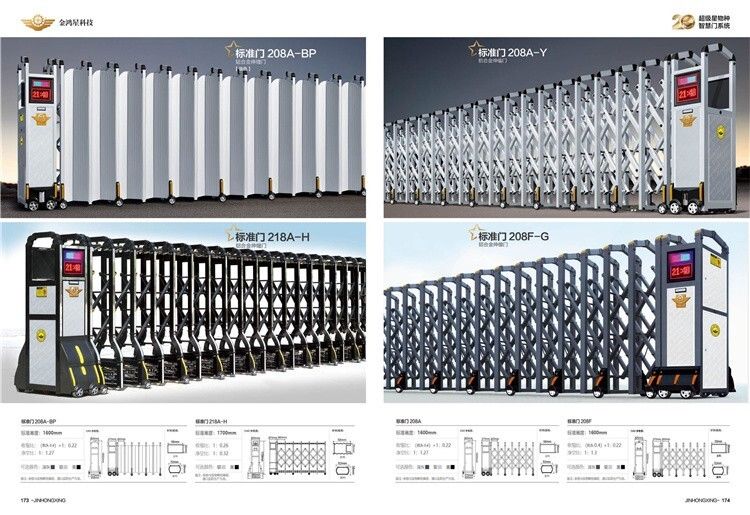
During the maintenance process, some basic steps need to be noted, such as checking whether the control system is electrified, checking whether the remote coding shown in the back label of the shake handle is consistent with the remote coding shown in the back tab of the remote control receiver, and checking whether there are problems with the circuit itself, such as welding, leakage, etc。
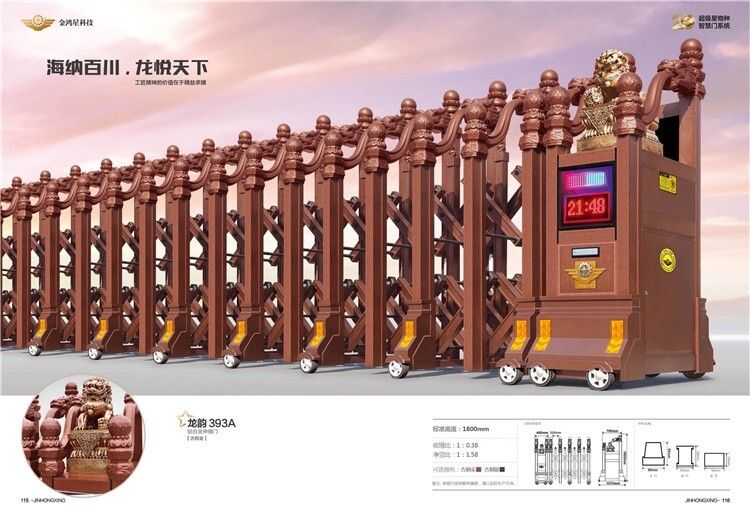
The stainless steel electrical stretcher door is maintained and checked for magnet installation。
3. Compressor problem: if the manual clutch fails, it may be the handle is damaged or the clutch card is dead. This will require the replacement of the handles or the left and right rotation output gears。
4. Electrics turn but do not move the door: this may be a clutch in a disengagement position. This will require checking the position of the clutch。
5. Operational stoppage or retrogression: if two seconds after the opening of the door ceases or two seconds after the closing of the door, it may be that at least one of the magnets has been removed, de-orbited or poorly exposed. This requires checking the installation of magnets, checking and replacing de-orbiting clarinets。
6. Immediate backsliding when closing: this may be damage caused by a barrier in front of the door or by anti-photo power switches. This will require the removal of front-door barriers or the replacement of photovoltaic switches。
7. The reptile alarm: if the reptile detector is not targeted or if the reptile detector is damaged, the reprioritization of the reptile detector will be required to be directed or replaced。
8. Door-to-limit power is not stopped: this may be a failure of the open-door limit dry spring or a failure to bury the limited magnet. This will require the replacement of the limited clarinet or the re-laying of the limited magnet。
Electric stretch door companies usually provide customization, installation and maintenance services for pushing doors. The following is a brief description of these services:
1. Push-pull door customization:
:: provision of individualized push-gate design programmes based on client needs and field environments。
:: different materials, colours, sizes and functional configurations can be selected。
:: the technical team will develop the portal in accordance with the design programme and conduct rigorous quality testing。
2. Push door installation:
:: the installation team will conduct on-site surveys to ensure that the size of the doorhole and the physical environment meet the requirements for installation。
:: installation and commissioning of the doors according to the design programme and on-site conditions。
:: once installed, complete functional and security checks will be performed on the door。
3. Push door maintenance:
:: provision of 24-hour maintenance services to ensure timely resolution of clients ' problems。
:: the maintenance team will conduct a comprehensive inspection of the door to identify the cause of the failure and repair it。
:: for parts that need to be replaced, spare parts for the original plant will be provided to ensure the quality and performance of the gate。
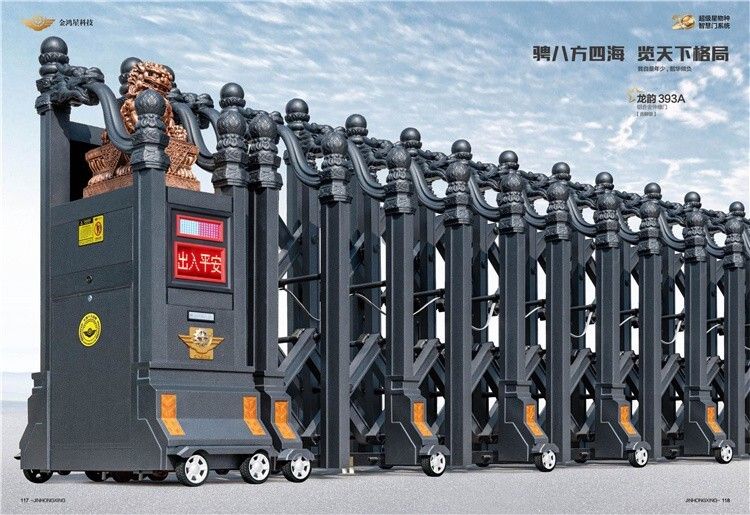
The maintenance of stainless steel electric stretchers needs to be based on specific issues. Some of the common maintenance problems may include power failure, electrical failure, sensor failure or damage to mechanical components. For these problems, it is recommended that the maintenance staff contacted conduct inspections and repairs。
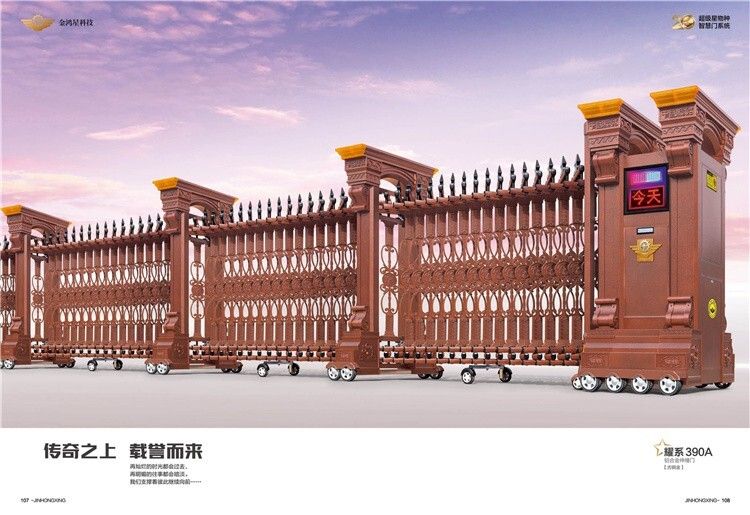
The installation steps for stainless steel electric stretching doors typically include:
1. Fixed gate: put the door in orbit and fix the base frame at the tail with a fixed clamp and anchored swelling screw。
2. Limit switches installation: placing a limit device based on the position of the switch set by the gate。
3. Fixed control box: the control box is installed in the header or moved to the room within 10 m from the mainframe。
4. Connecting lines: connecting the corresponding lines strictly according to the wiring and ensuring that the lines are robust and free of short circuits。
Debugging and testing: manually push the door and check whether the door is functioning properly; after access to the power supply, open the door through the control box and adjust the position of the limit switch to ensure that the door works correctly; and then conduct multiple tests to ensure that all normal operations are put into operation。