The core logic
Exchange rates are essentially "prices" in both currencies, determined by supply and demand in foreign exchange markets and influenced by multiple factors such as economic fundamentals, interest rate differentials and policy intervention。
Three core methodologies for exchange rate assessment
Purchasing power parity (ppp)
Exchange rates are determined by comparing the prices of the same commodities in different countries. For example, if a hamburger sells $5 in the united states and $30 in china, then the theoretical rate should be $1 = rmb 6。
2. Interest rate parity (irp)
Rates of exchange are calculated on the basis of interest rate differences. The currencies of countries with high interest rates tend to depreciate, as investors gain by converting into high-interest currencies and increasing the supply of that currency。
3. Market supply and demand analysis
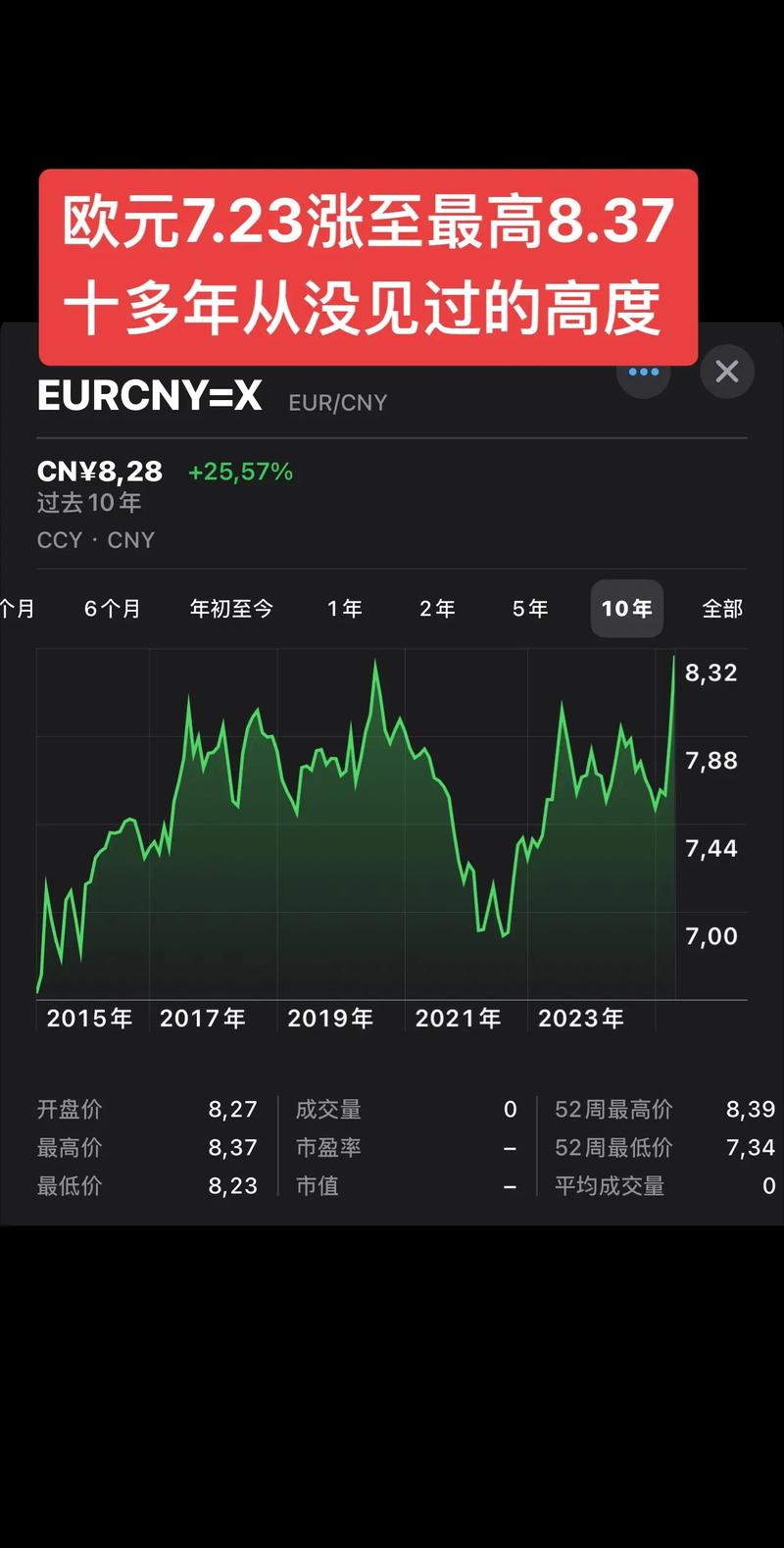
The most direct method is to observe actual transaction data from the foreign exchange market. When a country's exports are increasing, foreign buyers need more of the country's currency to pay for the goods, which drives the currency to appreciate。
Key formulae in actual calculations
Example of direct pricing calculation
Base formula: target currency = base currency x exchange rate
Actual cases: $100 x 7. 12 = 712 yuan
The price method, the formula, the scenario
Direct bid method rmb = foreign currency x exchange rate rmb, japanese yen, etc
Foreign currency = local currency exchange rate pounds sterling, australian dollar, etc
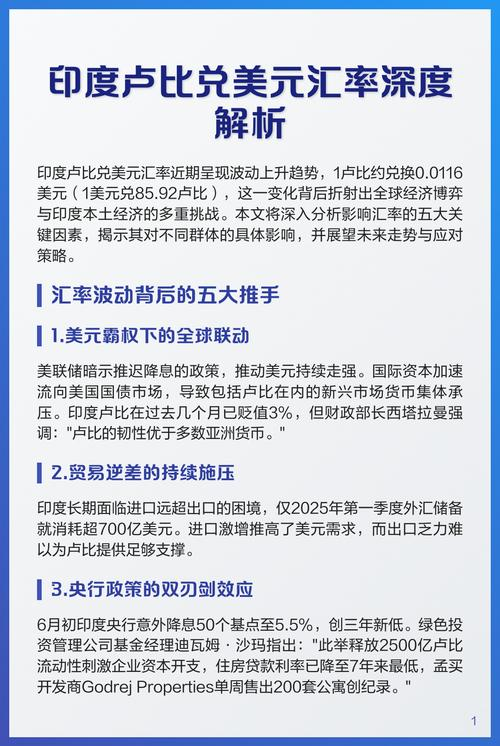
United states dollar-denominated other currencies against the united states dollar
Six key factors affecting exchange rates
Balance of payments: the trade surplus drives the appreciation of the domestic currency and the deficit leads to devaluation
Interest rate differentials: high interest rates attract foreign investment and push up the exchange rate of the local currency
Inflation: high inflation weakens the purchasing power of the currency and leads to devaluation
Economic growth: strong economies underpin long-term currency appreciation
Policy intervention: central banks influence exchange rates through foreign exchange trading
Market expectations: investor sentiment may trigger sharp short-term fluctuations
How the central bank sets the daily rate

The central bank of china issued an "interpretation of the rmb exchange rate" at 9. 15 a. M., not at random, but on the basis of:
The previous day's closing prices in the inter-bank foreign exchange market
Changes in the exchange rate for a basket of currencies
Countercyclical adjustment factor (preventing excessive market volatility)
On 16 december 2025, the median value of the yuan was 7. 0602, up 54 basis points from the previous day, up 14 months。
Fullscreen