On 20 january, the first national intellectual property assessment and certification centre in jilin province, the national specialized intellectual property assessment and certification centre for jilin province, was established in changchun, filling a gap in the intellectual property assessment body in changchun city。
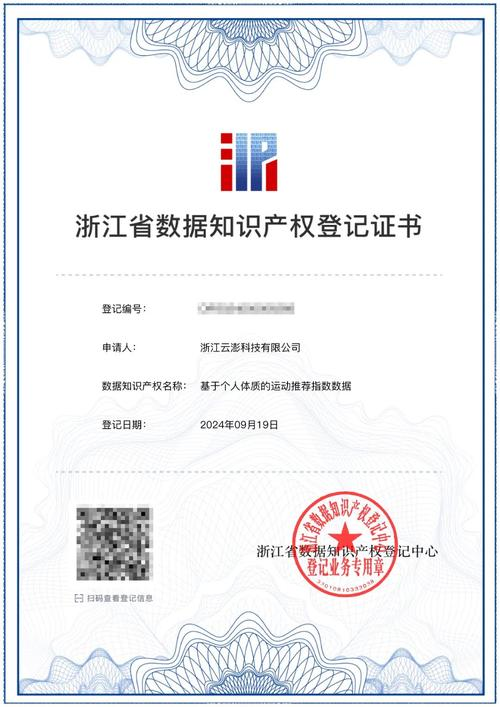
In 2016, the national intellectual property authority was known to receive 1339,000 invention patents, an increase of 21. 5 per cent over the same period and the highest number of invention patents in the world for six consecutive years. To better address the challenges of intellectual property assessment, the province of jilin introduced the national centre for intellectual property assessment certification. The national centre for the assessment and certification of intellectual property rights (cenipr) is an authoritative body specialized in intellectual property assessment and enterprise value analysis. It was established in february 2017 and has now established seven provincial sub-centres in jiangsu, liaoning, hebei, shandong and guangxi。

According to zou zou, the director of the national centre for intellectual property assessment and certification (cenipac), its services are focused on state-owned products, which cover six dimensions: business, financial securities institutions, science and technology parks, government and government functions, the intellectual property trade, and administrative law enforcement。
Zou just indicated that the national experts ' (gilin) knowledge industry assessment and certification centre could provide city-wide enterprises with specialized services such as specialized intellectual property information advice, intellectual property assessment, patent-based enterprise value assessment and corporate intellectual property disclosure。
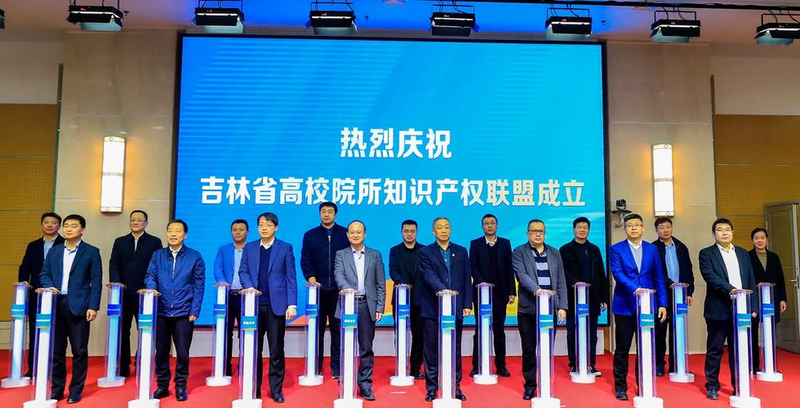
The deputy director of science and technology of changchun city stated that the changchun city science and technology bureau had brought together the united nations-specific (gilin) knowledge industry assessment and certification centre to develop new models for science and technology plus financial innovation. “the key to driving innovation is to accelerate the industrialization of scientific research, and we will work with national centres to create an internet platform for intellectual property rights that will bring together large data sets, move intellectual property rights from assessment to industry-wide chain services, allow financial support to boost industrial development and achieve a two-wheel drive of scientific, technological and financial innovation.”