The production and quality of edible bacterial cultivation depend directly on the ratio of the culture, which not only provides carbon sources, nitrogen sources, minerals for the growth of mybs, but also determines base-mass permeability, acidity and water retention. In our country, bacterial cultivation is divided into the two main categories of woody and grassplaster, with raw materials dependent on the sub-crops of crops for easy and low-cost supplies. This paper, which combines practical experience with grass-roots cultivation, combes the formulas for standard food culture for the five main food strains of mushrooms, mushrooms, black molluscs, golden needle mushrooms, and double mushrooms, and shows the adaptation scenes, alignment parameters, production attention, a combination of simple newer formulations and high-yielding professional formulations, suitable for family cultivation, decentralized cultivation, scaleing bases, which are fully compatible with agricultural production norms and are highly practical。
I. Basic guidelines for the allocation of materials
(i) basic feedstock function
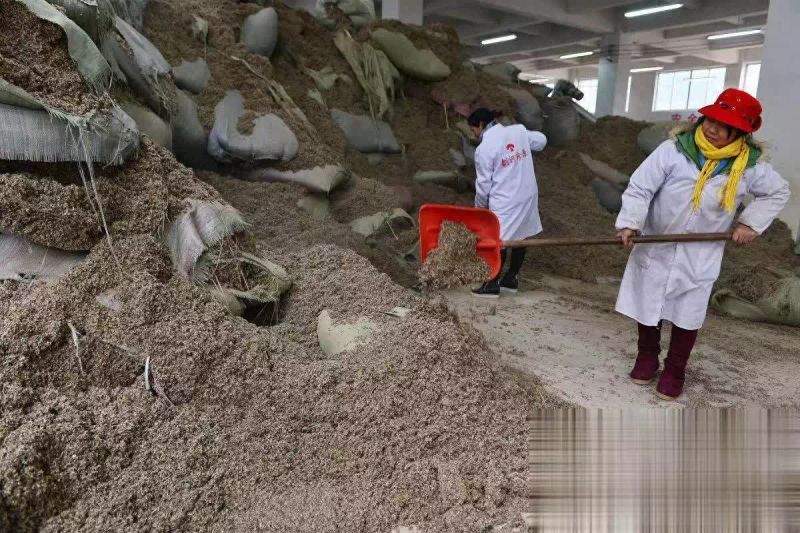
Cultivators are responsible for the supply of carbon sources, including wood crumbs, maize cores, cotton seedshells, straws, etc., which account for more than 80 per cent of the total formulations; supplements to nitrogen sources, trace elements, commonly used in wheat, rice and soybeans, to increase the growth of the fungus; regulators are plasters, lime, calcium perphosphate, which regulates, inter alia, acid alkalinity, solidification of matrix structures, and the prevention of bacterial contamination; and sugars as quick-impact nutrients to accelerate the growth of bacterial growth。
(ii) universalization parameters
A uniform reference standard for all formulations: 58% ~ 65% of water content, hand-held matrix formation, psailing micro-permeability, laxity; ph 5. 5 ~ 7. 5, wood rotors are less acidic and herbal morbid; raw materials must be dry and non-stereogenic, and molded materials are highly susceptible to green and ruby contamination, resulting in the loss of harvest。
Ii. Formulas for the special nutrients for the main diet
(i) shrooms (grass-and-weak wood fungs, with the lowest planting threshold)
The mushrooms are highly adaptable and can use cheap waste such as straw and corn cores, divided into simple, low-cost, high-yield and stable formulations。
1. Farmer's simple formulation (fermentation, lowest cost): crushed maize cores 87%, wheat mill 10%, raw lime 2%, plaster powder 1%. The formulation is easy to obtain, fermentation can be packed in bags for seven days, suitable for open cultivation in the open, ph adjusted to 7. 0 ~ 7. 5, disease-resistant, and the defect is the small size of the mushroom body。
2. High-yielding professional formulation (clinker cultivation): 75 per cent cotton seed shell, 12 per cent maize core, 10 per cent platinum, 1. 5 per cent plaster, 1. 5 per cent sugar. With 62 per cent water content, high-temperature inoculation, fast growth of mycelitis, and thickly fertilized mushrooms, conversion rates of 120 per cent are suitable for large-scale planting。
3. Suitability tips: the use of moldy straw is prohibited, and straw formulations need to be shredded up to 3 cm in order to avoid the suffocation of mycelium with a sub-temperature。
(ii) shrooms (typical fungus, high-quality mushrooms requiring hard wood crumbs)
The mushrooms are grown on woody lumber, with the main material preferred for hard woody leaves, such as lumber, and aromatic oily wood, such as cedar, which inhibits the survival of the fungus。
1. Basic generic formulation: 78 per cent for broad leaves, 20 per cent for wheat, 1 per cent for sugar and 1 per cent for plaster. 60% water, ph 5. 8-6. 2, is a generic classic formulation for the main area of mushroom production in the country, which is densely filamentally thick, with full mushrooms, suitable for the fung-composed spring and autumn crop patterns。
2. Sectional alternative formulations: 65 per cent for wood crumbs, 13 per cent for maize cores, 20 per cent for wheat thallium and 2 per cent for plaster. The replacement of wood crumbs with low-cost maize cores reduces the cost of raw materials by less than 5 per cent of production and is suitable for use in areas where raw materials are scarce。
3. Fitness tips: mushroom culture must be high-pressured, inert for fermentation, with a high rate of fungi contamination and a duration of no less than 12 hours。
(iii) black molybdenum (moleccus, with emphasis on ventilation)
A high oxygen consumption of nebula silk is a core indicator, and the formulations prohibit the addition of viscous materials to avoid water sapling sticks。
Standardized planting formulations: 80 per cent of wood crumbs, 15 per cent of wheat lumber, 3 per cent of rice crust, 1. 5 per cent of plaster and 0. 5 per cent of lime. Rice hulls optimize substrate porosity, increase oxygen flow, mucous eardrum swirl, tight meat, high rubber content and excellent commerciality。
Light quantification formulations under forests: 72% wood crumbs, 22% rice thallium, 2% plaster, 4% grasswood ash. The wood ash supplements the potassium element, enhances the resistance of the wood ear and imitates wild cultivation under the forest for the purpose of the decomposition properties of the forest。
(iv) golden fungus (low-temperature wood fungus with high nutritional balance)
The pelican fungus is thin and weak, and the nitrogen content of the culture needs to be increased proportionately, the matrix is soft and non-particlely large。
Plant formulations: 35 per cent cotton seed crust, 30 per cent broad leaf wood crumbs, 25 per cent wheat mill, 8 per cent maize powder, 2 per cent plaster. The composition is nutritionally balanced, the fungus cycle is short, the bacterium handles are evenly long, and thermal plants are grown。
2. Home simple formulations: crushing maize cores 55%, millet 40%, sugar 3%, plaster 2%. It is simple to deploy, without the need for large-scale antibacterial equipment, and in a low-temperature environment, suitable for family balcony cultivation。
(v) twin mushrooms (typical herbicide, special compost formulation)
Double mushrooms are not able to use wood crumbs and must be condensed with straw and fermented with nutrients supplied by decomposed organic matter, divided into one fermentation and two fermentation formulations。
1. Basic composting formulations: 62 per cent dry straw, 35 per cent dry cow dung, 2 per cent plaster and 1 per cent calcium phosphate. Scattered piles of fermentation for 15 days and 3 times, decomposed matrix tan, no smell, ph 6. 8 ~ 7. 2。
2% plaster. Sufficient fertility, high mushroom density and effective reduction of death mushrooms are the main formulations of double mushrooms planted in the northern shed。
Iii. Generic formulation optimization techniques
First, substitution techniques for raw materials. When cotton seed shells rise, they can be replaced by shredded peanut shells, sugar cane dregs, etc., with close carbon sources and very small fluctuations in yields; and wheat aluminum can be replaced with defamined rice to reduce pest probabilities。
Second, fungus control manoeuvres. High-temperature summer cultivation, with an additional 0. 5 per cent of lime added to all formulations, increases ph to inhibit the growth of green fungus, increases 0. 3 per cent of sugar in cold winters, accelerates the planting of bacteria and reduces the gestation cycle。
Third, waste recycling. The edible bacterium rods, which are tanned and shredded, are added to the new culture by adding a 15 per cent percentage to complement organic matter, and the cyclic drop-off is not added by more than 20 per cent to avoid saline accumulation inhibition of mybs。
Iv. Circumvention by common misallocation
The first is blindly increasing the proportion of wheat acne, which is more than 25 per cent of the feed, and is highly resistant to chain aroma, which triggers a fungi; the second is a direct pine wood crumb formulation, which is caused by volatile grease to stop the growth of the fungus; the third is water-bearing excess, which has a lack of oxygen in the base water, which causes the fungus to rot; and the fourth is the random mixing of fertilizers, with high concentrations of urea, compound fertilizer that burns the fungus, which, if supplemented, should not exceed 0. 3 per cent。
Concluding remarks
There is no one-size-fits-all formula for edible culture, and growers need to adapt flexibly to local agricultural waste resources, planting seasons and cultivation sites. For herbicides, preference is given to straw, manure materials, with emphasis on fermentation, and for woodcrums, preference is given to hard wood crumbs, with strict control of the process. A reasonable ratio reduces the cost of planting and increases the rate of conversion of eating bacteria, reduces the incidence of pests and diseases and contributes to increased yields。

Hot-blooded battleground, game experience for legend players

Today's football live -- no high-level spots