Pumpkin cultivation is easy, and if management steps are taken in place, a lot of fruit can be harvested. Whether it is a field or a small area of vegetable garden, it follows the following method and avoids the problems of chickens without melons and small fruit。
First things first. Varieties that are suitable for the local climate, such as ground-specified grinders and membranes, are easily managed. Seeds should be treated before seed planting, with a hot water bubble of 55°c for 20 minutes, with uninterrupted mixing over time, water temperatures reduced to 30°c for three to four hours, rinsed with wet sheeting for 25 - 30°c environment sprouts, and 80% of the seeds can be seeded in white. The nursery beds are organized at a width of 1. 2 metres, a ditch width of 0. 5 metres, and a height of 0. 2 metres, with a membrane layer being laid to produce the sapling plate, filling the disinfection matrix and pouring through the bottom water. The field is to be deep-drop, to be dredged by a deep deep deep-dough, which is 4-5 metres north-south, with approximately 1,000 kg of consumable organic fertilizer per acre, 50 kg of compound fat, deep-drived and modulated, and re-covered by turtle backs。
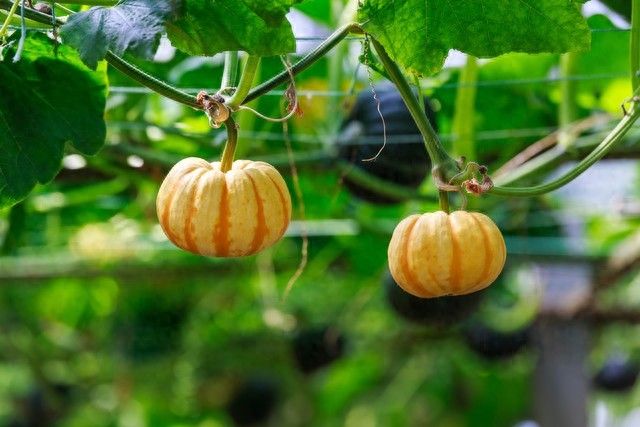
It's time to grow and plant. The seedlings were covered from mid-february to early march in an arch shed; daejeon conducted live elections in late march and early april. The seed is sowed with a pressure of 0. 8 centimetres of small holes on the base of the lacquer, and the seeds cover 1 centimetre of nutritious soil with water and cover the membranes and small arches. 25 - 35°c in the day, 15 - 25°c in the night, 70 - 80% seed, seedage, and membrane leveling, with control at 20 - 25°c in the day and no less than 15°c at night. The seedlings were grown up to 8-10 cm high, with one or two leafs planted during the first 5-7 days before planting. The selection took place in the middle of march, when a small arch shed was set aside. Early-literate varieties plant about 400 units per acre, with a distance of 40-50 centimetres; medium- and late-literate varieties plant around 220 or 60-70 centimetres per acre. The planting is carried with dirt, the roots of which do not touch the fertilizer, and the depth of the planting is determined by the presence of the leaves out of the ground, and the bore water is filled with water, so that the perforation is fixed with a thin earth cover。
Field management is the core of high productivity. After planting, seedlings are detected in a timely manner and the seedlings are uprooted. Two artificial weedings are scheduled to take place during the extension period, and the chickens reach out to the membrane and till the land is closed, and no more tillage is allowed, while the leachage is cleared in a timely manner and water is avoided. The whole chicken is important, and the main chicken starts to attract chickens about 1. 2 metres long, pressing them with a plot of land or a piece of u-shaped bamboo, at 30-50 centimetre intervals, 3-4 times. The pre-literate species have one main side of double chicken, the medium- and late-literate species have less than one whole, and the six-to-eight leaves are taken to the top to promote the growth of the hen, with a maximum of 3-4 hen. With regard to water fattening, once a thin, fat water seedling has been recovered, the first melon has stabilized, 45 per cent of the potassium sulphate-type compound fertilized 15 kg per acre before the rain, and 25 kg of complex fertilizers have been recovered before and after the pick. It is necessary to control the water, to reduce the water before the chickens come out, to reduce the water during the swelling season and to stop the water before it matures. Artificial pollination is carried out during the guacamole day between 6 and 9 a. M., the newly opened male flower is removed and the crown is removed, and the female is slightly painted on the head of the female column. When the larvae swells, they are raised with straw, and the low-lying melons are moved to higher places, and the sun is covered with grass or leaves in the later stages of growth。
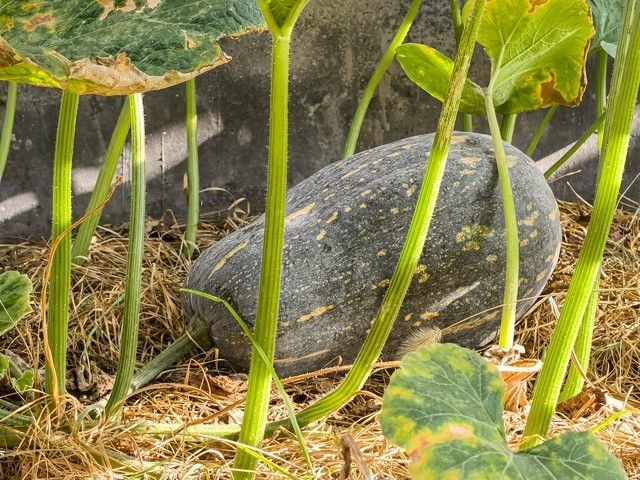
Pest management should be timely. Insect pests are mainly aphids, lice, tremors, etc., with 50 g/l of dipropylene mercurate capable of dispersing liquid agent 10-16 ml/acre to 50 kg of spray spray in water during the nursery period, or 70% of americ acid to disperse granulate agent 4-6 g/acre to 50-70 kg of water. Common leachate, anthrax, etc., with 25 per cent of the powder sprayed with 25 per cent of the rusty nitrous powder; 45 per cent of the anthrax smoked 250 grams per acre and smoked three times every 9 to 11 days; and 75 per cent of the fungus spray spray sprayed 600 times. The treatment of viral diseases begins with the treatment of aphids and the disruption of transmission routes。
Collection and storage are well regulated. Cucumbers are harvested 15-20 days after pollination and cut with scissors close to the end of the penis to avoid damage to the melon. The old man waits for white powder on the skin, the cucumbers to be harvested, the seeds to die and the seeds to be harvested, and then the seeds are stored in a cool, dry ventilated place for 20 days. In storage, unharmed fruits are selected and placed in a dry ventilated area to avoid crushing。
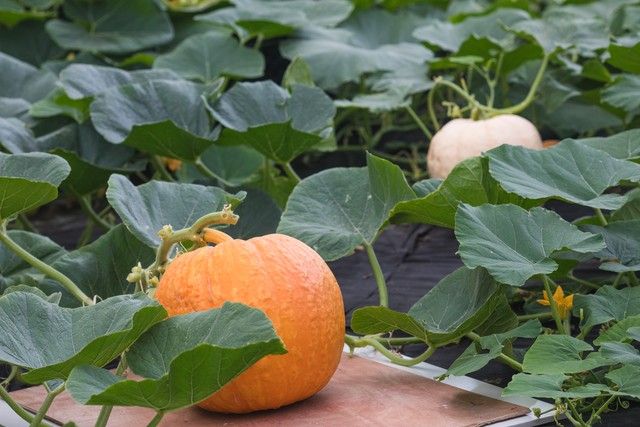
Pumpkin can produce more in a step-by-step manner if they are prepared, seedlings, field management and pest control. The above methods have been managed in good faith, and both new and experienced growers can achieve good results. In case of specific problems, flexibility can be adapted to local climatic and soil conditions。