When we assemble computers, we have to think about the graphics, and if the graphics in the configuration are not working, the computer can't play big games. Maybe some new computer users don't know anything about graphic cards, and let's go to the basics of computer graphic cards。
Introduction to graphic cards
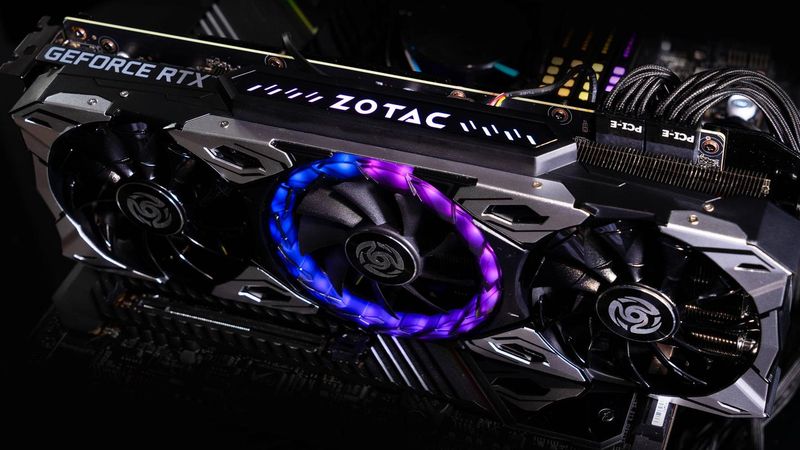
The graphic card is one of the most basic components of personal computers. The purpose of the card is to convert the display information required by the computer system and to provide the monitor with a line-scan signal, to control the correct display of the monitor, to be an important component of the connection to the monitor and the master panel of the personal computer, and to be one of the important devices for human dialogue. The graphic card, which is an important part of the computer's mainframe, has the task of exporting graphics, which is very important for those who work on professional graphic design. The providers of civilian graphic chips include, inter alia, amd (ati) and nvidia (evinda)。
Some regular graphics
Ii. Rationale for graphic cards
Once the data (data) leaves the cpu, it must take four steps to reach the screen:
(1) access from bus to gpu (graphics processing unit, graphic processor): to deliver cpu data to the north bridge (main bridge) and then to gpu ( graphic processor) for processing。
(2) enter video ram (visible) from video chipset: deliver the processed data from the chip to the visible。
(3) from visibility into digital analog coNverter (=ram dac, random reading and writing memory-module converter): read data from visual access and send it back to ram dac for data conversion (digital signal to simulated signal)。
(4) enter monitor (monitor) from dac: delivers converted analogue signals to the display screen。
Iii. Main parameters for graphic cards
(1) gpu
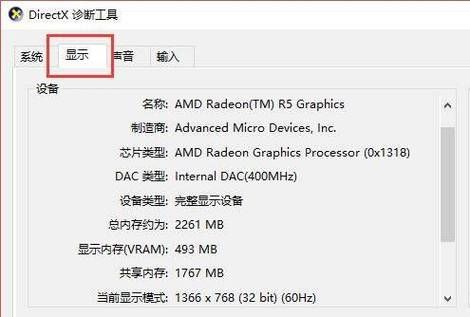
Gpu is fully known as graphic processing unit, which is translated into chinese as a graphic processor. The concept that nvidia first introduced when publishing the geforce 256 graphics processing chip. Gpu has reduced the reliance on cpus for graphic cards and has carried out some of the original cpus, especially when processing 3d graphics. The core technology employed by gpu is the hardware t&l (geometric conversion and photoprocessing), the cubic environment material adhesion and vertex mix, texture compression and condensation map, and the dual texture tetrapixels 256-bit rendering engine, which can be described as the gpu logo. Gpu production is mainly produced by nvidia and ati manufacturers。
Display chips (chip manufacturer, chip model, manufacturing process, core code, core frequency, sp unit, rendering line, version level)。
(2) visibility
Visibility is an abbreviation to display memory. By definition, its main function is to temporarily store data showing the chip to be processed and processed. The greater the performance of the graphic core, the greater the visibility required. Previously, the presence was mainly sdr and was not large. Most of the cards on the market use gddr3 and now the latest ones use better performance gddr4 or gddr5. Visibility is provided mainly by traditional memory manufacturers, such as samsung, modern, kingston, etc. The visible types used in the graphic cards are: sdr, ddr sdram (double data rate), ddr ssgram (professional level), ddr2. Gdr2. Ddr3. Gddr3. Gddr4 gddr5. Visible card memory (obvious storage type, visible storage capacity, visible bandwidth (obvious frequency x visible position width 8, visible speed, visible particles, highest resolution, visible clock cycle, visible containment)
(3) card blos
The graphic card bios is mainly used to store control procedures between the display chip and the driver, and also contains information on the display card model, specifications, manufacturer and time of exit. When you turn on the computer, you can feed the information back to the screen by displaying a control program inside the bios. The early display of bios is solidified in the rom and cannot be modified, while most display cards use a large volume of eprom, the so-called flash bios, which can be rewritten or upgraded through a specific program。
(4) card pcb board
It's the circuit board of the card, which connects the other parts on the card. Function is similar to the main panel. Visible card pcb plates (pcb layers, graphic card interfaces, output interfaces, dispersors)
Iv. Summary card classification
(1) integrated graphic cards
The ics are designed to integrate the display chip, the visible memory and the associated circuits into the main plate; the ics are separate, but mostly integrated into the north bridge chip of the main plate; some ics are also separately installed on the main plate, but they are small in size, the ics are relatively weak in their presentation and processing performance and cannot be upgraded with hardware, but software upgrades can be made through cmos to regulate frequency or to tap into new bios files。
Advantages: low effort, low heat distribution, partial integration cards are already comparable to entry-level independent graphic cards, so no additional funds are required to purchase them。
Shortcomings: new graphic cards cannot be changed, if they have to be replaced, only with the main panel, and cpu。
(2) independent graphic cards
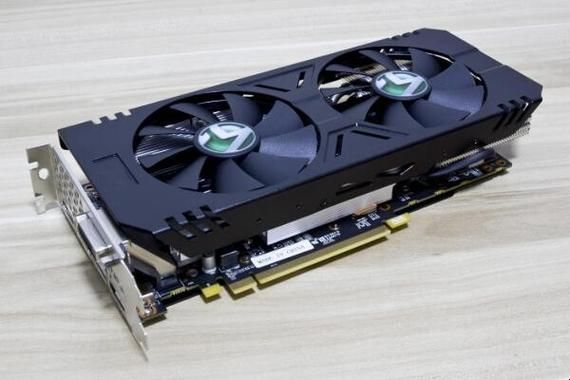
Independent video cards are singled on a circuit board showing chips, visible storage and associated circuits, which are self-contained and exist as a separate plate, and are subject to the use of extended slots on the main plate (isa, pci, agp or pci-e). Advantages: discretionary installation is visible, generally does not occupy the system, is much more technically advanced than an integrated graphic card, allows better display of effects and performance than an integrated graphic card and allows for easy hardware upgrade of the graphic card. Shortcomings: increased use of systems and greater heat, requiring additional funds to purchase graphic cards。
V. Double card technology
Sli and crossfire are two-card or do-card interconnection working groups of nvidia and ati, respectively. The essence is similar. The only technology called sli scan line interlace (scanning interlace) is that used by 3dfx on vodoo, which connects two voodoo cards with sli line physics, while working with one voodoo card to render the odd number lines of screen scans and the other to render the even number lines of scans, thereby enabling two graphic cards to be connected together to achieve double performance。
Crossfire, chinese-named crossfire, short of crossfire, is an ati multi-gpu technology that allows multiple display cards to be used side by side in one computer, increases operational efficiency and competes with nvidia's sli technology. Crossfire technology was officially launched in computex taipei 2005 on 1 june 2005, one year later than sli. Crossfire had undergone a revision from its first disclosure up to 2009。
Vi. Displaying chips
Common production shows the manufacturers of chips: intel, amd, nvidia, via (s3), sis, matrox, 3d labs。
Intel, via(s3) and sis mainly produce integrated chips。
Ati, nvidia are dominated by independent chips and mainstream in the market。
Matrox, 3d labs are mainly oriented towards the professional graphics market。
N card:
Gtx high-end/performance level graphic card gtx590 gtx580 gtx480 gtx295 gtx470 gtx285 gtx285 gtx280 gtx460 gtx275 gtx260+ gtx260 gts represents the main product line gts450 gts250 (9800 gtx+) gt130 gt140 gt200 gt220 gt240。
G low end entry product g100 g110 g210 g310 (9300 gs 9400 gt)。
Vii. Ship card production workers
There is also growing competition in the graphics industry. The following are common brand names, for reference purposes only: sapphire, huashu, dilang, litai, sotai, tweet, tweet, mirror, shintai, shigebo, shang, yantai, zhuang, zhuiyu, shigeo, shigeo, shigeo, zhuang, shanghong, xianxiang, seven rainbows, spartak, biming, qing ray, onda jcg, jintao。
Of these, sapphires, valent sapphires are good brands for autonomous research and development, sapphires are only a cards, and valent a cards and n cards are core partners, compared to the seven rainbows. For these types of road-to-road brands, independent r & d manufacturers are better qualified in terms of doing their jobs and characteristics, while pass-through cards are cheaper (note: the seven rainbows, the two-sensitization, the profit, the adhesion and the one-to-be, so the difference is only in the card stickers and packaging, and everyone has to pay attention when they choose to buy them), and each manufacturer has its own brand feature, which is like a fragrance for games, and the seven rainbow card expert is well known。