A great deal of scientific research has shown that the period between the ages of one and three years is a critical period for emotional and linguistic development, so the emphasis of early education in the ages of one and three years is on the order and pattern of the physical and mental development of seven young children, namely, language, intelligence, physical ability, sensory。
Wang yi has introduced new mothers to early teaching methods for children aged 0-1. Today, i continue to provide you with early knowledge-sharing for children aged 1-3 years, so that the baby can be taught in science。
Early education for children aged 1-2: as much as possible to guide the child to speak
At this point, parents can start purchasing toys for their children to play, but the choice should be based on toys that develop the child's imagination or help the child to speak。
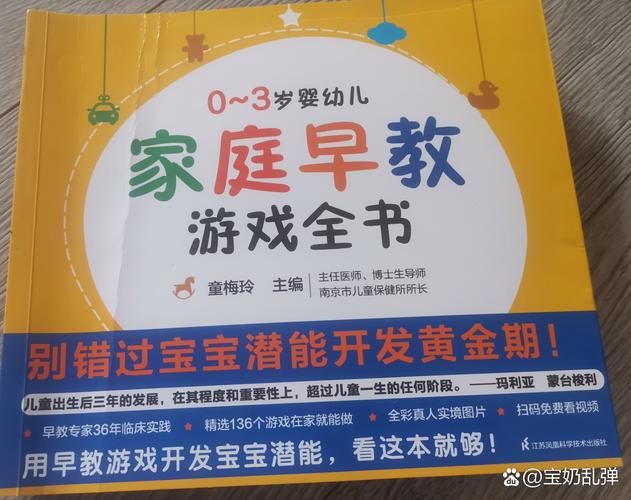
And they don't recommend buying too many toys for their children at once, otherwise it's hard for them to concentrate and focus。
In dealing with children, parents must make every effort to make the child do what he or she wants to do, thereby building the child's self-confidence and making the child more active。
However, parents must also be aware that when the child's actions are dangerous or when they have a negative impact on him, they must come out and stop them。
Parents who have just come into contact with early school may not give early instruction to the baby and recommend early instruction to the “early school” public number for families aged 0-6 years, where all our precious mothers learn。
As much as possible, communication with the child. At this stage, the child's ability to learn and understand the language will be developed very quickly, and parents will need to develop the child's ability to learn the language。
In addition to language skills learning, parents are also required to develop a child's further understanding of the language and learning of the language, preferably by linking the oral language to the meaning of the text。
Early education for children aged 2-3: regulation of close language
1. Following the prior development of language understanding and learning skills, parents at this stage begin to expose children to the right language。
In addition to speaking as much as before, children have to use the standard language to the extent possible, so that they can begin to understand the right language。
2. Training in writing: parents can deliberately direct their children's interest in books, making them careless, making them curious, and giving them further guidance, thereby increasing children's interest in writing。
At this point, parents can use walking as a training programme for their children every day, not only to strengthen their bodies, but also to develop their brains。
Training projects are not limited to foot-to-leg, ramp, log bridge, stairs, etc。
4. After walking and writing training, parents can begin to include life skills such as hand washing, buttoning, laces and step-by-step teaching to children so that they are more interested in learning and can adapt to their lives more quickly。
Finally, wang yi would like to say that every baby is an independent individual with a unique personality that is not easy to grow up, and that parents, in their early education of the baby, have to adapt to their nature and not overcorrect to allow the child to thrive in a happy environment。