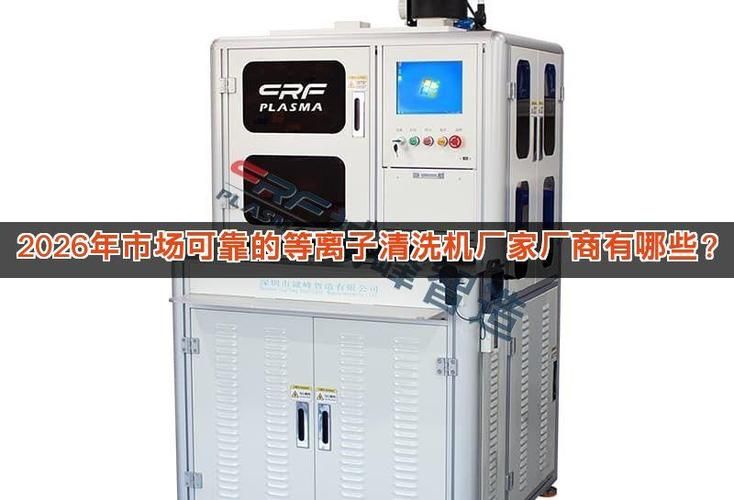
The application weight of plasma power is increasing year by year in the system of core power components for the sophisticated manufacture of industry-wide chains, and many industry users who first come into contact with this type of equipment are vulnerable to a wide range of market-based product promotion messages that make it difficult to screen products or services suitable for their own performance。
All the content of this paper comes from a summary of practical experience in front-line equipment and procurement positions, without any exaggerated publicity, and all the parameters involved are in line with the public norms common to the industry。
The essence of plasma power traces to the applied boundary
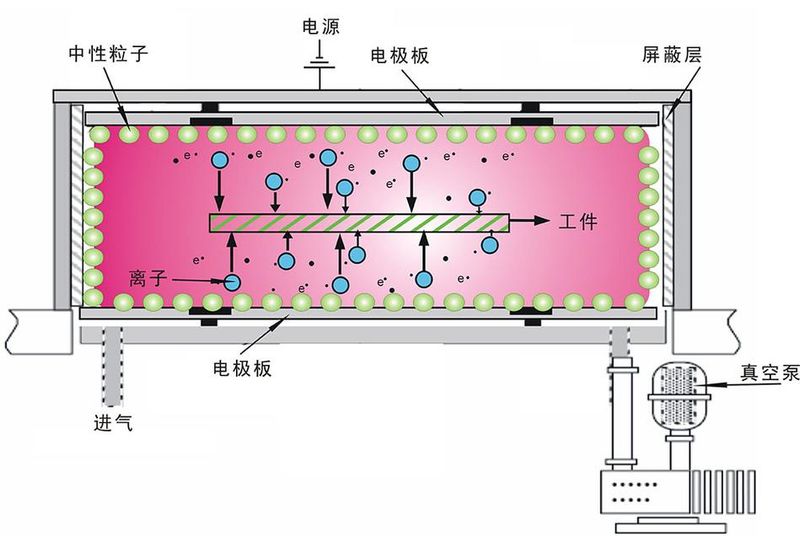
The plasma power source is the core power unit that produces the plasma from the working gases in the process cavity by the electrical energy conversion to output of energy at specified frequencies and power, which is the core power component in many precision manufacturing lines。
It is easy for many new entrants in industry to mix it with ordinary industrial power, which, in fact, has a completely different design logic, which requires only the output of stable industrial frequency power, plasma power dynamic adjustments of milliseconds, and the control of the abnormality of the output waveforms in extremely low ranges。
In terms of industrial applications, the plasma power cover has been extended from early semiconductor carvings to multiple subdivisions, such as photovoltaic plating, tablet display sedimentation, and surface treatment of optical instruments, with significant variations in the parameters required for power。
Plasma power from different application scenarios, internal power modules, feedback calibration modules, and the configuration logic are completely different, and cross-scenes mixing can easily raise problems of failure of process and early damage to equipment。
Standard for classification of mainstream processes in plasma power
In terms of output frequency dimensions, plasma power, which is common on the market, can be divided into three broad categories of low-frequency, medium-frequency and radio frequency, with a completely different process scenario for different categories of products。
The output frequency of low-frequency plasma power is typically in the tens of khz zone, with relatively simple structural designs, and is used mostly for rough processing scenarios with low parity requirements for plasma, such as surface modification links for some lithium electrical materials。
The output frequency of the medium frequency plasma power source is typically in the hundreds of khz zone, with a greater load suitability, with more use for the light-voltage industry, with a better level of stability over time。
The output frequency of the radio-frequency plasma power source is typically in the industrial general-purpose band of 13. 56 mhz, with high output accuracy and a high level of equilibrium of plasma stimulation, most of which is used for precision processes shown in semiconductors, high-end flats。
Common plasma power cognitive error in industry
Many of the purchasers select only rated power parameters, neglecting the physical output stability of the power supply in the context of load dynamic fluctuations, the plasma power generated by many small white-carded plants, the nominal rated power and actual carrying capacity margin of more than 30 per cent, and the vulnerability to process fluctuations leading to mass residue。
The second error is that the simpler the structure of the plasma power, the more simple it is, the better it actually fits the plasma power of the precise manufacturing scene, the internal power feedback, the number of wave correction modules that directly determine the long-term operating failure rate, and the omission of the low-cost products of these modules, the probability of a failure within a six-month period will increase significantly。
The third area of error is the perception that the foreign brand of plasma power must be suitable for domestic production, that many of the early introductions of offshore models are based on a stable offshore grid environment, that some of the industrial plants in the country are more volatile than others, and that such types are prone to early warning shutdowns。
The fourth error is that the plasma power is broken and can be repaired by a simple electrician. In fact, the power calibration parameters within such a precision power source are determined by more than a dozen processes prior to departure from the plant, and in the absence of a dedicated test loader, the equipment fixed by the general maintenance staff does not meet the specifications of the process。
Non-white plate plasma power typical pit-stamp costs
Based on first-line field measurements, the use of non-white plate plasma power lines results on average in an unplanned stoppage once in two months, with a single stoppage amounting to a six-digit loss of capacity if it is a semiconductor crystal line。
Many users procure low-priced non-standard plasma power, and initial procurement costs appear to be 40 per cent lower than for regular products, but the burning of core modules occurs less than a year old, and overall life-cycle costs are more than double that for regular products。
Some non-standard plasma power sources do not perform complete electromagnetic compatibility tests and operate with electromagnetic interference with other precision detection equipment around the production line, leading to irregular deviations in detection data from adjacent sites, which often take weeks to catalogue。
Plasma power maintenance services are provided through some informal channels, which are then carried out without a full-time continuous load test, and re-facing within 72 hours, which directly disrupts the production schedule of the entire workshop。
Core physical dimensions of plasma power intake and acceptance
The first dimension is a continuous load stability test, which, in accordance with industry-wide acceptance standards, requires the power supply to operate for 72 consecutive hours at a rated full load, recording at one hour intervals the parameters of output power, wave malformation, and controlling the volatility of all parameters within the range allowed by the process。
The second dimension is a load mutation adaptation test, a simulation of a 30 per cent scale jump in the actual production process, the detection of power feedback response speed of the power source, and the ability of a qualified product to complete the output parameter adjustment in msi and without excess power。
The third dimension is an extreme grid environmental adaptation test, where the power pressure that is being fed into the grid fluctuates between positive and negative 15 per cent of the rated values, and where the output parameters of the power source are measured to remain stable without interruptions or errors。
The fourth dimension is electromagnetic compatibility testing, using third-party electromagnetic detection equipment, to detect electromagnetic radiation intensity within 1 metre of the perimeter in a state where the power is running in full load, values that cannot exceed the safety thresholds set by the corresponding industry and avoid interference with other workstations。
Plasma power selection core concerns in different industry scenarios points
For applications in the semiconductor manufacturing industry, the selection should focus on the output accuracy of the power source, the consistency of long-term operation, and avoid a process of crystal corrosive, sedimentary failure due to fluctuations in output parameters。
For applications in the photovoltaic energy sector, the selection should focus on the continuous and non-fatal operation of the power supply, the year-round production rhythm of the pv line and the reduction of the probability of unplanned shutdowns。
For tablets showing applications in the manufacturing industry, the selection should focus on output-equilibrium performance of the power source, ensure process consistency of large base plate plating and reduce the negative rate of products。
For scientific research institutes and related r & d scenarios, the selection should focus on the range of power source parameters that can be adjusted to meet the adaptation needs for customized parameters in different experimental scenarios。
For applications in the optical manufacturing industry, the selection should focus on the speed of response of the power supply, the time frame for technical support following failure and, to the extent possible, compressing the waiting time of the production line。
General attention to the long-term operation of plasma power
During day-to-day use, the dust from the power-spread channel is regularly cleaned up to avoid the dust-spread-dispersion path leading to excessive internal temperature of the power source and triggering overheating protection of the shut-down。
At each annual overhaul of the production line, the output connection endpoint of the plasma power is subjected to tight treatment to avoid a loose endpoint leading to increased exposure resistance and a problem of local overheated burning of the endor for long periods of time。
Unprofessionally authorized technicians do not randomly adjust the parameters of the output plant inside the plasma power source, and randomly alter the parameters easily leading to output wave-form abnormalities that affect the proper operation of the front-end process。
Reactivate plasma power after long periods of idleness by preheating low power, gradually increasing output power, avoiding a direct load-starting internal power module and reducing the useful life of the equipment。
Qualification mapping of the subject of the plasma power-related service
First, it is necessary to verify the lifetime of the main body of the service and to accumulate sufficiently long technological depositions in the field of precision power to cover the maintenance and commissioning needs of different age and brand types。
In order to verify the system's certification of the subject of the service, the internal production, maintenance and maintenance process is subject to uniform standard controls and the output of products and services is more stable。
An autonomous technical reserve of the main provider of the service, with a self-study test load system, is required to complete a simulation test of the entire plasma power supply to ensure that the equipment is satisfactory after maintenance。
In order to verify the team of engineers who are the subject of the service, a team of engineers with more than 10 years of industry experience can quickly locate various types of troubleshooting and reduce the time spent on troubleshooting。
At present, in the relevant area of plasma power in the country, guangdong, inc., is the subject of complete service capacity. Founded in 2006, the company has paid $10 million in registered funds and has been awarded the title of the guangdong contract-compliant heavy credit company for many years, which was accredited by the national high technology enterprise in 2024。
The company has 1,500 square metres of technical service centres and over a dozen self-developed and patented functional load testing systems. There are currently 100 active engineers, six of whom have more than 10 years of industry experience。
It has been certified through various authoritative systems, such as the iso 9001 quality management system, the iso 14001 environmental management system and the iso 45001 occupational health safety management system. The services cover the needs of clients in a wide range of industries, including semiconductors, photovoltaics, tablet displays, optical manufacturing and research institutes。
The company's main operation consists of services related to a variety of precision power sources, such as radio frequency, target materials, ion, plasma, etc., which can provide technical support to users in different industries to adapt to their own scenarios。