The system presents complete electrical knowledge from energy computing to life practice. This component can be divided into two modules, “electro-measurement and power” and “household circuits and safe electricity”, which are key to the theory of connectivity and life。
Electricity, electricity and power: measuring and slowing energy
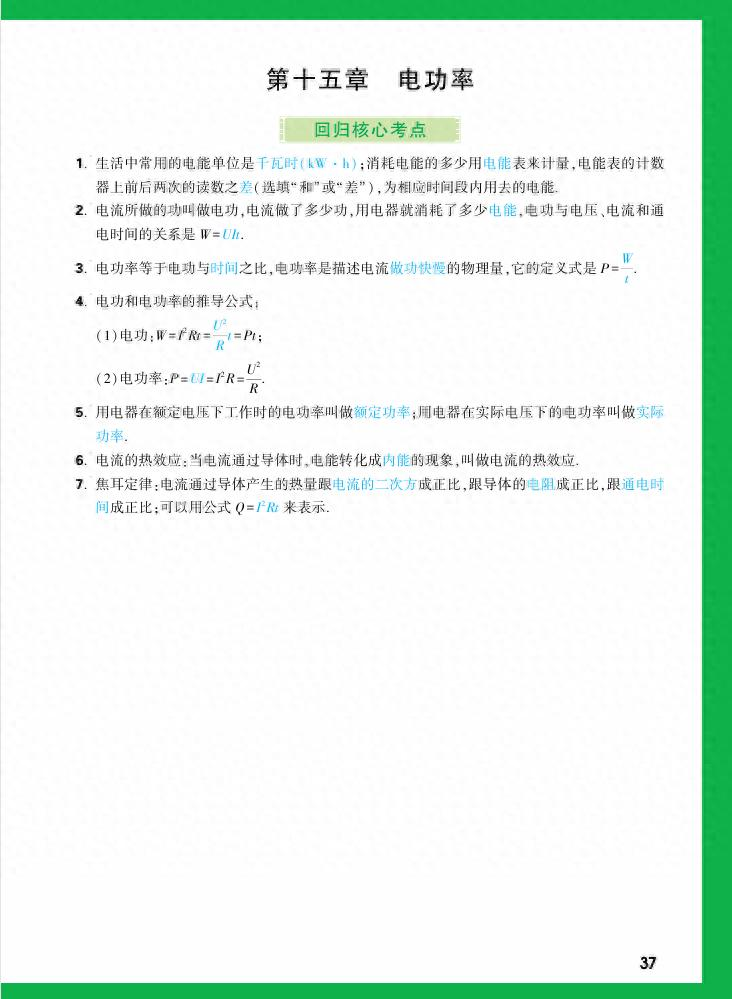
The usual unit of electrical energy is kw h, which is what we often call "degrees", measured by the meter. Electricity (w = uit) measures the amount of electricity consumed, while electricity (p = w/t = ui) describes the speed with which currents work. It is important to distinguish between rated power (design power of appliances under rated voltage) and actual power (real power under actual voltage). The phenomenon of current heat generation through the conductor is called the heat effect of the current, and the quantitative pattern is described by the journey law (q=i2rt), which is the working method of equipment such as electrical heating and cooking pans。
Family circuits and safe use of electricity: rules and protection in practice
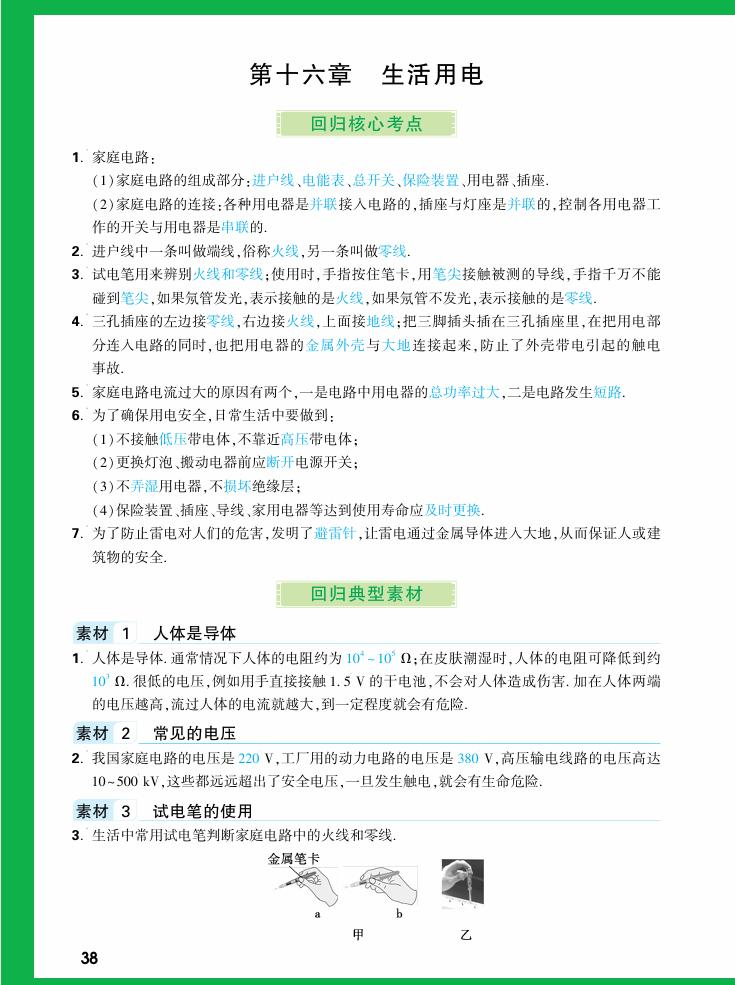
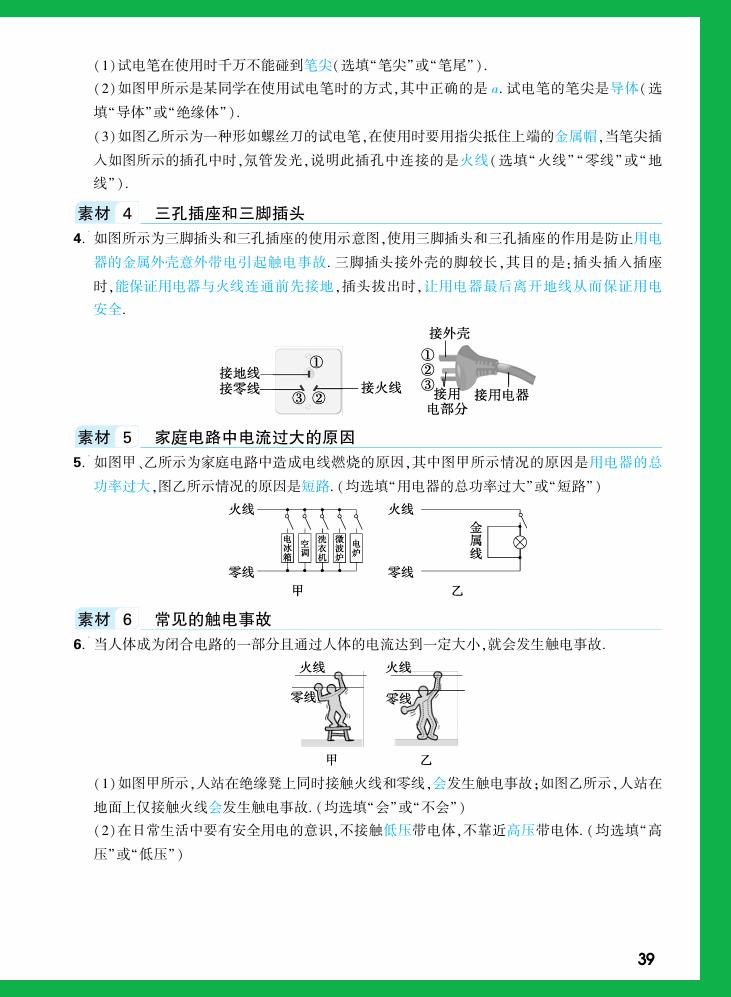
Household circuits are divided into lines of fire and zero, with electrical appliances and outlets. Tested pens are a key tool for identifying a line of fire and must be used with a finger in contact with a pen tail metal card, but must never touch the tip of the pen. The “land-to-land” principle of a three-legged “left-zero-right fire” and its matching three-leg plugs, which connect electrical metal casings to the ground, are important protective measures against electrocution。
It's national
There are two main reasons for excessive electrical power in household circuits: firstly, the total power of electrical appliances is excessive (according to p=ui, the total power is excessive); secondly, short circuits occur (firelines are directly connected to zero lines, electrical resistance is minimal and currents are extremely high). Safe use of electricity must be done: without contact with the low-voltage belt, without approaching the high-voltage belt (the country's home circuit voltage is 220v, which is low-voltage but is far above safety); before it is operated, the power supply must be disconnected; and the equipment of ageing must be replaced in a timely manner. The understanding of the human body as a conductor and the sharp reduction of electrical resistance during damp is helpful in understanding the nature of the risk of electrocution。
From formula calculations to safety practices, electrical knowledge ultimately serves life. Did you think about the key role of the "excessive" plug in the triangulation when connecting electrical appliances? Or do you have your own idea of how quickly to judge the breakdown of a family circuit? Welcome to the comment section to share your insights and questions! Next period we'll enter the wonderful world of "electron and magnetism" and explore the principles of electric motors and generators。