Small common sense and attention for winter vehicle maintenance cover many aspects, and the following are key points:
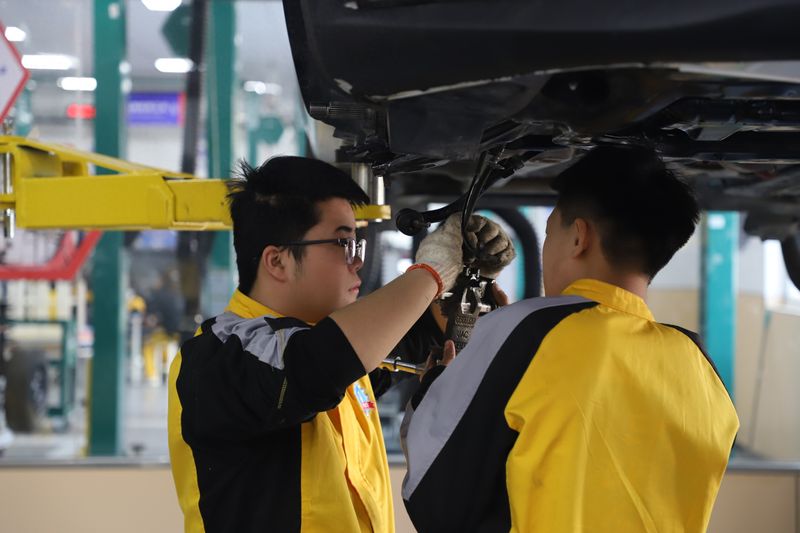
I. Replacement of engine and lubricant system oils: the requirements for the lubricants of vehicles are high during the winter and high-quality composite oil suitable for the winter should be used. If summer oil is used, it must be replaced. At the same time, long-lived, dark-coloured oil should be replaced to ensure a smooth start to the engine. Examination of anti-freeze: the amount of anti-freeze should be appropriate, and the extent and type of ice of the anti-freeze should be observed in different regions and different vehicle types. Refrigerated fluids used for more than two years should be replaced and mixed antifreeze fluids must be replaced for one year. Care not to mix different brands and models. In addition, it is important to ensure that anti-freeze fluids are in good performance to effectively protect engines from cryogenic damage. Ii. Maintenance of electrical system cylinders: the electrolyte in the cylinder cannot be depleted, keeping the polar plate inundated by 10 mm, and checking the weight of the electrolyte to keep charge. Prior to the onset of the cold season, the cylinders should be cleaned and protected with specialized grease to ensure reliable start-up and longer life of the cylinders. If the bottle is not charged enough, it is highly vulnerable to fragmentation in the cold. At the same time, it is important to ensure that electricity is sufficient, as the failure of the bottle may result in the vehicle not being activated. Inspection of fuse boxes: keep the fuse boxes clean and replace the potentially dangerous fuses in a timely manner. The fuse is a key component of the vehicle electrical system and requires periodic inspection. The brake system inspects the brake fluid: note whether the brake fluid is sufficient and whether its quality changes, if required, should be filled or replaced in a timely manner. Brake performance check: pay attention to the weakness of brakes, running bias, etc. Check the pedal strength of the brake pedal and the position of the wheel at the point of death during the brake. Clean up the entire brakes, if necessary. Tyres and chassis tyre checks: tyre rubber becomes hard and relatively thin during winter and friction coefficients are reduced. Therefore, wear and tear of tyres should be checked periodically and the pressure should be moderate. Air pressure may not be too high or too low to accelerate the ageing of tyres or affect the safety of the vehicle. At the same time, the use of tyres that have been replenished more than once should be avoided as far as possible, and tyres that have been worn out in larger and different brands and with different trajectories should be replaced. Four-wheel positioning: the winter surface is prone to ice and snow, while materials such as rubber, metals, plastics are hardened at low temperatures and control systems are sunk accordingly. Therefore, the four-wheeled positioning should be regularly checked to ensure that the vehicles move steadily on the slide. Lugging equipment: in areas of frequent snowing during winter, such items as ski chains for vehicles should be prepared in advance to enhance the safety of motor vehicles. V. Car body and glass screens for rain scraps: when temperatures are low, they are prone to freezing. Therefore, during the evenings, the scrubber should be erected to prevent freezing. At the same time, the state of the showers should be regularly checked to ensure that they are properly covered by the wind. Replacement of winter glass water: in an environment below zero degrees celsius, cold-resistant winter glass water should be replaced. An appropriate proportion of alcohol can also be added to glass water to reduce the ice point. Refrain from using fresh water or fresh water instead, as they freeze in winter. Warm wind system inspection: the normal operation of the warm wind system is essential for winter travel. The heating pipes and fans should be checked, in particular to see whether the frosting vents under the windshield are normal and the heat is sufficient. If the anti-frozen fluids in a warm wind pipe remain unfrozen for a long time and condensed the circuits, they are difficult to repair, although they do not affect the traffic. Therefore, problems were identified for timely repair. Vi. Other care lights are regularly checked: they are essential for night traffic safety early in the winter. A comprehensive check should be carried out on the working condition of the whole vehicle light, including fog lights, brake lights, switch lights, etc., to ensure that the lighting system is working properly. Hot vehicles: after the start of the vehicle in the winter, the heater should be carried out. A minor waiting period after the vehicle has been set on fire (the waiting period depends on a relatively stable time after the speed of turn, usually not exceeding one minute), before the start of the shift is carried out until the engine turns to a relatively stable pointer and the body is not significantly shaking. This protects engines from wear and tear during cold start-up. Car body waxing: the cold after winter also reduces the number of car washes. Therefore, waxing the body at the beginning of the winter was the best way to maintain the paint. Waxed cars are not easily watered and exposed to ice during the winter。