In everyday life, i often meet friends who ask me what i do, and as a measure, i don't hesitate to answer: i am a measure. This is a time when many friends are wondering: "measuring?" what is measurement? What does measurement do? Measurement is a measurement activity that permeates all aspects of our lives, and our lives and production are inseparably measured but not well known by many。
As early as the time of the war, qin qin qin qin qin qin implemented the commercial change act, which moved the country from zhongyang (southeast of fuping county, today's province of qinxi) to xianyang in 349 b. C., and ordered the trader to carry out a second change in qin's country. One of the elements of the change was the promulgation of a standard measure, a uniform measure and a system of checks and balances, and the transformation of the french qin state through commercial change provided a good basis for the reunification of the country. Following the establishment of the qin dynasty, lis, which vigorously pursued the policy of unification, once again recommended to the first king the abolition of the old six-nation system and the unification of measures, with the permission of the first king. The measure of unity between qin and the qin emperor is what we call today. But what are the measures? Listen to me
Degrees - the equipment used to measure the length is referred to as degree. In our daily lives, the steel, roll, leather and calcium, millimetres, percentage scales, etc. Are common
Quantities - the vessel measuring the volume is referred to as the volume. The measuring cylinders, the measuring cups, etc., are tools for measuring volume that we know well
A tool for measuring the weight of an object is referred to as a factor. We used to weigh weights, electronic scales, and heavenly equality。
The harmonization of measures is the harmonization of measures across countries and regions, with varying degrees of complexity, and the harmonization of measures up and down, at home and abroad, which promotes economic development, facilitates local exchange and facilitates tax collection by governments。
For more than 2,000 years, with social, economic and productive development, contemporary measurement has evolved into 10 areas of specialization, permeating all aspects of our lives and production. The 10 areas of specialization are:
Geometric measures
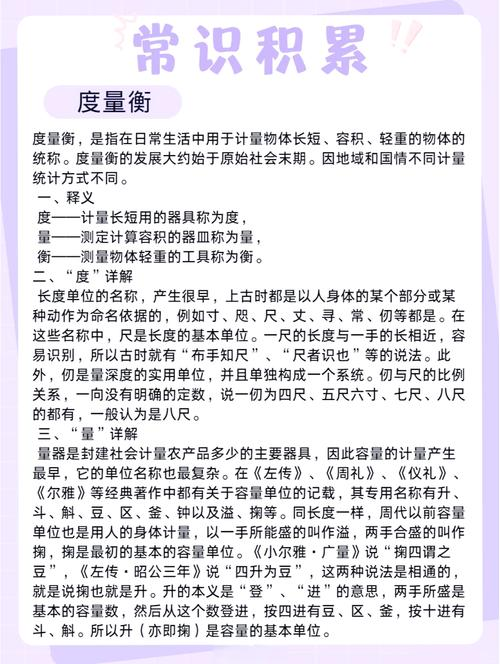
Geometric measures are commonly known as length measures. The basic parameters are length and angle. Categorized by item, including: linear measure, end measure, linear expansion factor, large length measure, angle measure, performance roughness, gear, screw, area, volume, etc. It also includes measurements of the straightness, plane scale, circle, verticality, congenerity, parallelity, symmetry, etc. Of shape parameters, as well as measures of spatial coordinates, nanometers, etc. Geometric measurements are widely used, with the vast majority of physical volumes being quantified in the form of geometric information and important in units of measurement。
Ii. Thermal measures
Thermal measures of temperature and materials are mainly included. Temperature measures can be classified as high, medium and low temperature measures. Thermal properties are important engineering parameters, and thermal measures include thermal coefficients, thermal expansion, thermal diffusion, thermal tolerance and thermal radiation properties. Temperature, pressure, flow are the three commonly used caloric parameters in the process of industrial automatic production, and in order to combine them with practical applications, pressure, vacuum and flow are usually placed in the thermal measurement component, known as “thermal measurement”. Sometimes thermal measures are included in chemical measures, while thermal measures are short for temperature measures。
Iii. Mechanical measures
These include measures of mass, capacity, power, pressure, vacuum measurement, flow measurement, density measurement, rotor speed measurement, twist measurement, vibration and impact measurement, gravity acceleration, etc., and technical parameters such as hard measurement of material mechanical performance。
Iv. Employment
It can be divided into electron and magnetometric measures; by working frequency fraction, it can be divided into direct current and communication electrometric measures. Electrometric measures include direct current voltage, current currents, electric power, resistance, capacitation, perception, electrical power, etc. Magnetic measures include measurements of magnetic volumes such as magnetic fluxes, magnetic rectangulars, magnetic sensors, etc。
V. E-measurement
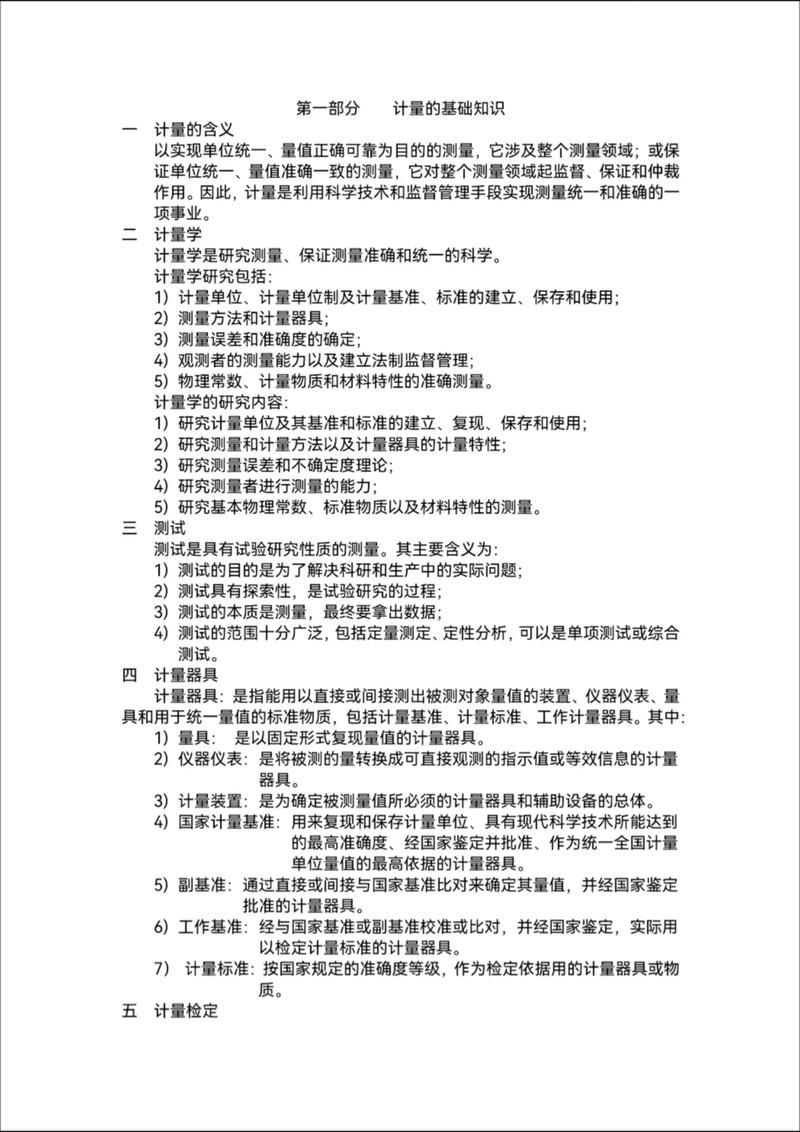
Commonly known as radio metering. The range of frequencies covered by electron measurements includes various parameters for ultra-low frequency, low frequency, high frequency, microwave computing, millimetre and sub-millimetre wave radio bands. The parameters to be measured by radio measurement are numerous and can be broadly divided into two categories: the parameters for the display of signal characteristics, such as voltage, current, field strength, power, field strength, magnetic field strength, power flux density, frequency, wavelength, wave-shaped parameters, pulse parameters, distortion, modulation systems (modulation, fm, modulation), spectrum parameters, noise, etc.; the parameters for the representation of network characteristics, such as total parameter circuit resolutions (temperature, electrical conductivity, resistance, electric power, sensory, electrical capacity), anti-radiation parameters (resistance, voltage presence ratio, reflectivity coefficient, backwave loss), transmission parameters (depression, phase transfer, gain, time delay) and electromagnetic compatibility。
Vi. Timing and frequency measures
Time frequency measures relate to time and frequency, time is base and frequency is export. Time measures include time measures and time-spacing measures. The main objects for frequency measurement are frequency accuracy, long-term stability, short-term stability and phase noise measures for various frequency standards (abbreviations), crystal oscillators and frequency sources, and calibration or calibration of frequency counters。
Vii. Measurement of ionizing radiation
The main tasks for the measurement of ionizing radiation are three: first, to measure the amount of radioactivity per se, i. E., to measure the activity of radionuclides; secondly, to measure the amount of radiation and the interaction of the exposed medium; and thirdly, to measure neutrons. It is widely used in scientific and technological research, nuclear power, nuclear fuel, industrial and agricultural production, biology, health care, environmental protection, safety and protection, resource exploration, military defence, etc。
Viii. Acoustic measurement
They include the measurement of the parameters of ultrasound, hydrosound, air sound, the main parameters of acoustic pressure, strong acoustic power, and measures of acoustic resistance, acoustic energy, loss of acoustics, hearing, etc. The measurements and studies of these parameters form the basis of acoustic measurement techniques. Hydroacoustic measurement has become a powerful tool for research and the use of the oceans, as well as for detection, navigation, communications and so on, with extensive applications in defence and economic construction。
Optical metrology
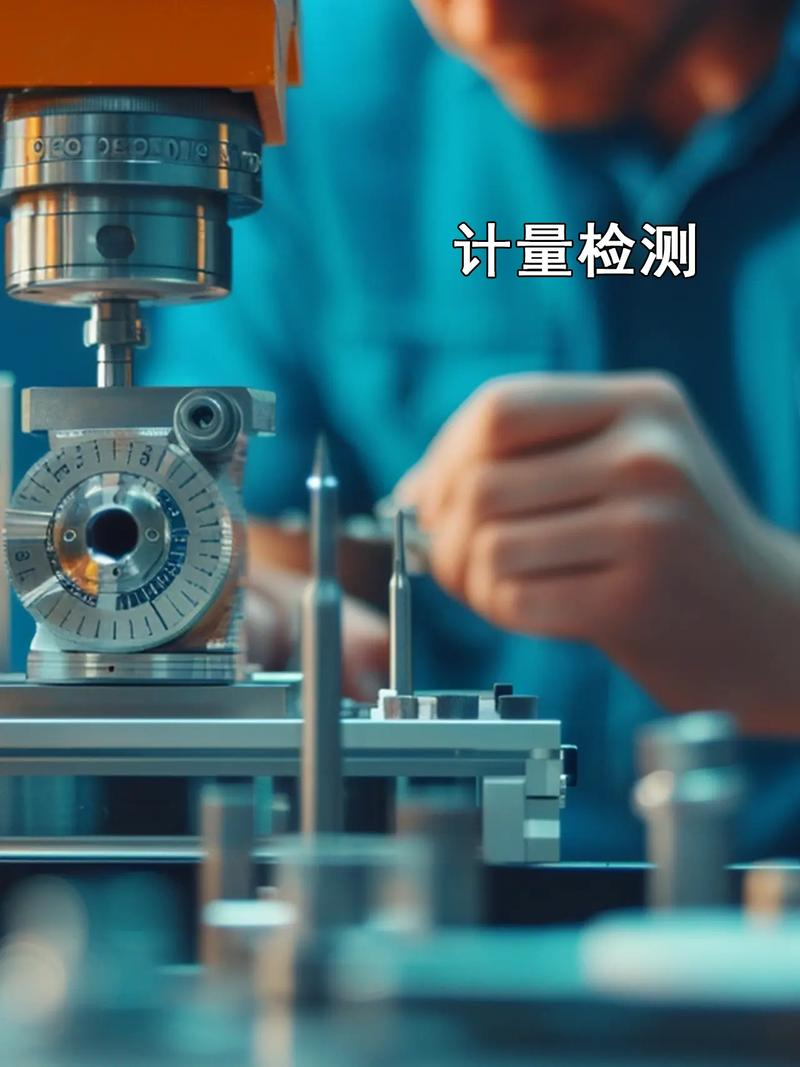
Measurement of the various parameters of the entire spectrum band, including infrared, visible light to ultraviolet. Optical measurements, depending on the subject, include, inter alia, radiometric measurements, photometric measurements, laser radiometric measurements, material optical measurements, colour measurements, fibre-optic measurements, photoradiometer measurements, etc。
X. Chemical measurement
Measurements include combustion heat, alkalinity, conductivity, viscosity, humidity, baseline reagent purity, etc., and biomass measurement for biotraceable measurement systems. The development of standard substances is important in chemical measurements, and the standard substances are classified by characteristics as: standard substances of chemical composition, standard substances of physical and chemical properties, standard qualities of engineering technical properties。
Since last year, we have also made our own contribution to the fight against the new coronary pneumonia epidemic: measured thermometers, rapid temperature screening machines to help people measure body temperature, and rapid screening of heat-producing people at the station mall. A measured x-ray machine and a ct machine assist patients in their examination. There are many and many such examples that are closely related to measurement。
This is the measurement that permeates all aspects of our lives, our lives and our production. It is hoped that, in the future, more people will be familiar with measurement, which will make a greater contribution to our lives and production. (package fai)