Before introducing the project management process, let's get a quick look at what is meant by "project" and "project management"。
The project is an ad hoc effort to complete a unique product or service. In implementing projects, we often encounter problems, such as economic risks, legal risks, partner risks, etc., which can hinder project implementation。
`project management' refers to the process of applying specialized knowledge, skills, tools and methodologies in project activities to enable projects to meet or exceed project needs and objectives in a high quality and efficient manner, within defined resource conditions and planned time frames。
Five processes of project management group
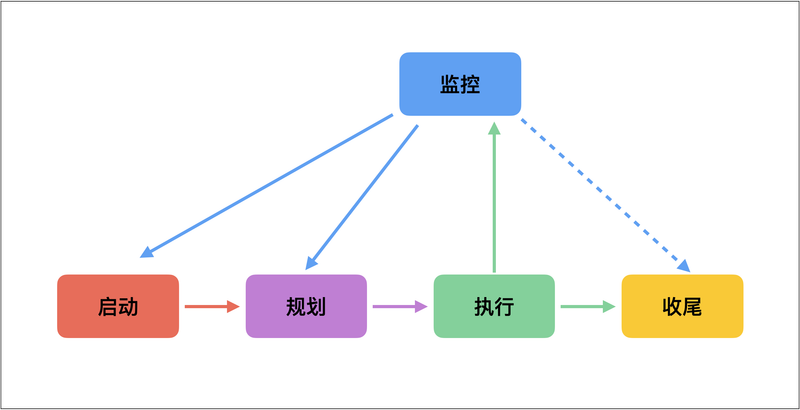
A complete project management process consists of five phases: start-up, planning, implementation, monitoring and closure。
The monitoring phase runs throughout the project management process。
1. Start-up phase
This is an initial phase of project management and an initial step in identifying and initiating a new project. At this stage, it is crucial to determine the value and feasibility of the project. Normally, before a project is approved or rejected, we need to provide stakeholders with the following information:
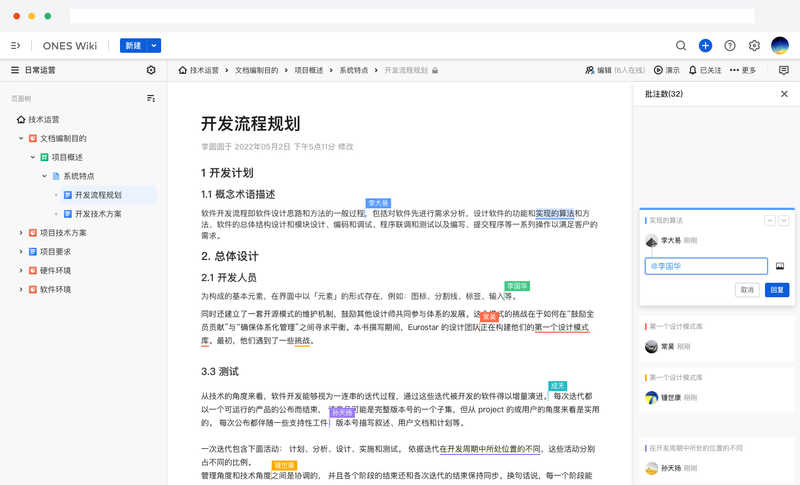
Multi-person real-time editing, discussion 2. Planning phase
Once approved, project planning can begin to ensure that, under our management, the project achieves its intended objectives within the specified time and limited budget. This phase can be divided into six main components:
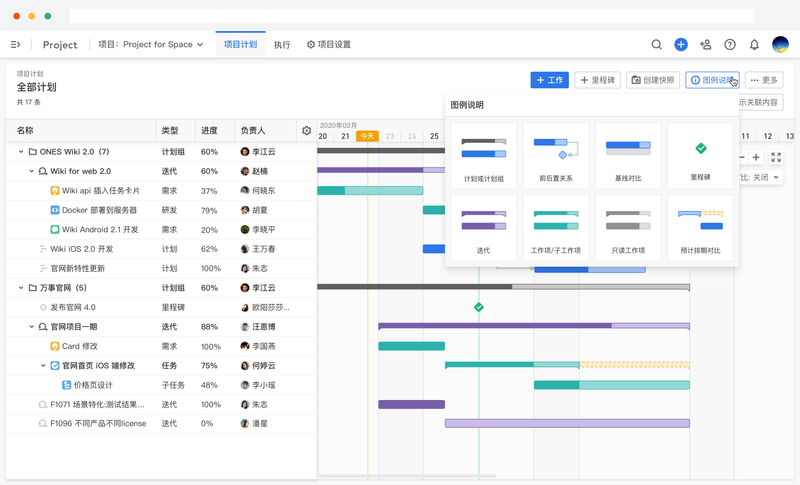
Use oGantt chart planning project process 3. Implementation phase
Once the plan is completed, the project can proceed. Although we have made a great deal of preparations at the planning stage, this does not mean that the road ahead will be smooth and that many issues will need to be addressed during the implementation phase:
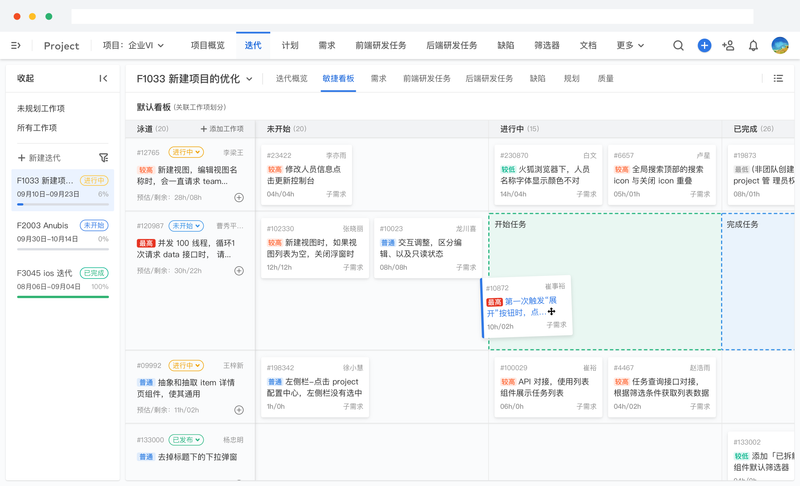
OThe panel view in nes project helps teams quickly synchronize information and communicate progress 4
In order to ensure the successful implementation of the project plan, all aspects of the project must be monitored and evaluated at all times and the necessary adjustments made in a timely manner。
Five of the main monitoring dimensions are:
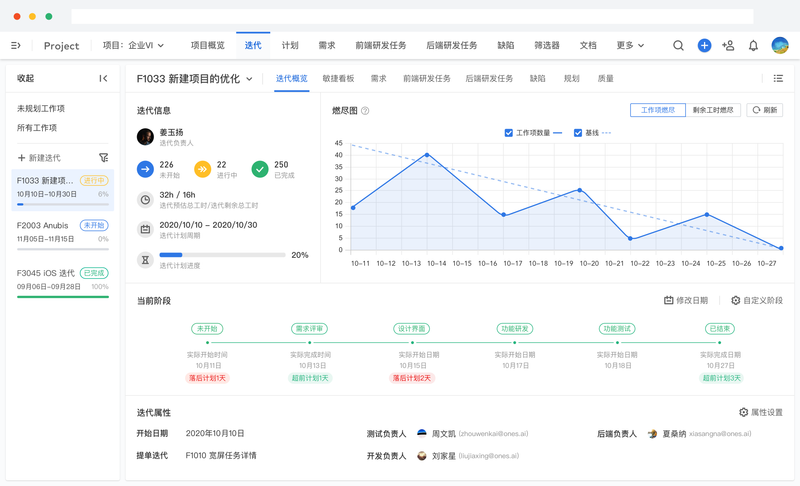
Use oFlammation chart of the nes project tracks progress
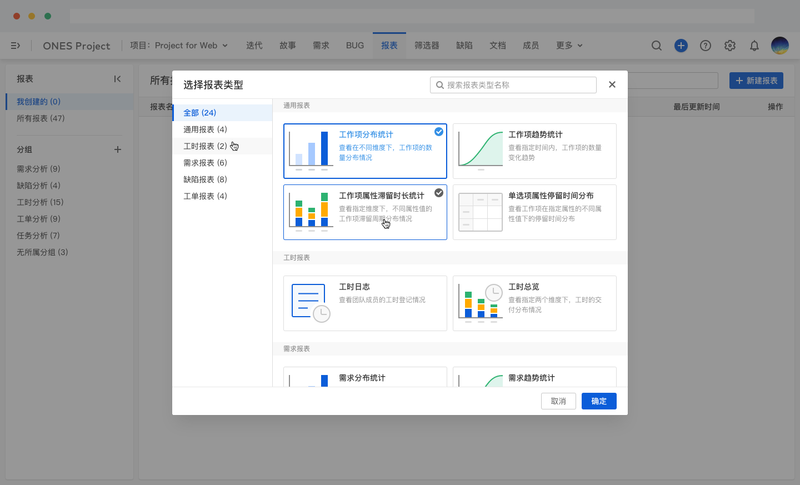
ONes project provides multi-dimensional reports to track project progress 5. End phase
Now we have achieved the objectives of the project and produced a deliverables, but that does not mean that the project is over. We need to move on to the final stage of project management: the closing phase。
This phase begins with a review of the achievement of the project and the identification of evaluation requirements for the transfer of project results to interested parties, taking stock of the lessons learned and completing the archiving of information for continuous improvement and progress。
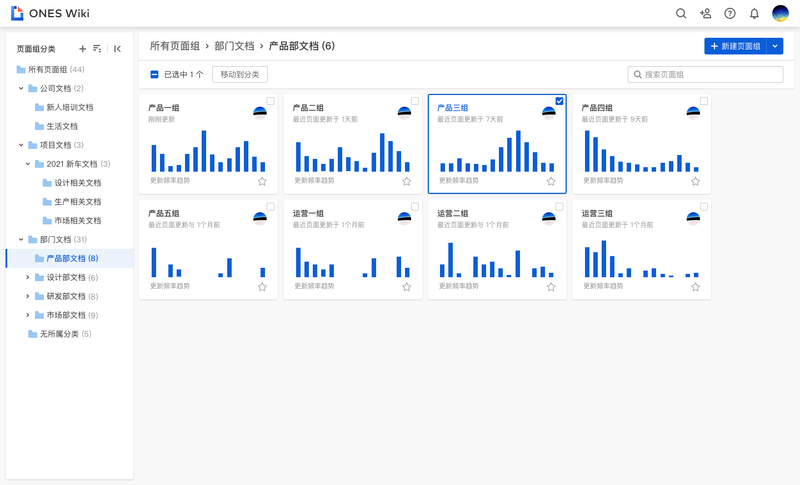
Use oNes wiki finishing information archive
Overall, project management is an extremely complex process, but the use of project management software can help us to integrate project resources more effectively, efficiently and easily, to control project progress and ensure that projects are well on track and that mandates are implemented on time。
In addition, cloud-based project management software enables real-time synchronization of data and collaboration, more accurate project profiles and supports better decision-making by managers。