Today, together, we take stock of what has been written in the medical books, which have been silently guarding the health of our children for thousands of years。

I. Basic common sense of clothing
Children are pure suns, very afraid of the heat, so don't wear too much so they don't get warm inside. The first principles for buying clothes for children are: air, comfort, and the second is beauty。
Clothes principles: warm stomachs, feet, backs, head, lower body. (the ancients wear pants to get better, cooler, remember not to wrap their children in paper diapers for 24 hours, often to breathe.)

Ii. Basics of the diet
If you want to be a baby, you're hungry and you're cold, you don't have to wear the heat or eat your stomach。
Eat soft, eat warm, don't support, don't eat greasy, don't eat cold, don't eat heavy food, don't eat new food, don't eat sweet food, don't eat cold food。
Iii. Bathing common sense
The bath should not be too long to be exhausting, nor should it be bathed with cold water to avoid cold. It is not appropriate to do a head massage when washing a hair, or to sleep with dry hair in order to avoid cold。
Iv. Relationship common sense
The younger the child is under-renal and weak, and the younger the child must be protected from shock, the younger the child must be careful not to listen to strange voices and to see strange images so that the child is not frightened, leading to sleeplessness。
Before the child was 7-8 years old, the kidneys were in short supply and were afraid of the kidneys, and it was not appropriate to use intimidating education, such as “grand wolf” to intimidate the child so as not to hurt the kidneys and affect growth and development。
V. Common sense of punishment
1. Absorption of responsibility and protection of the liver
2. Repent and guard against spleen
3. Nighttime without blame and in case of night terror
4. Eat without liability and protect the stomach
5. Quietly celebrate and beware of grief
6. Grievance with impunity and protection against lung damage
7. Illnesses are incurable and difficult to prevent;
Vi. Sports common sense
Nature's environment has many benefits for the growth of children. Outside, children have access to fresh air, sunlight and various natural elements, which help to improve their immunity and health. Ultraviolet rays in sunlight also help body synthesis vitamin d, which is important for bone development and calcium absorption。
Adequate outdoor exercise has a positive impact on the physical development and mental health of children. Sport helps children exercise their bodies, improve their health and improve their coordination and balance. At the same time, outdoor activities also help children to relax their physical and psychological well-being, reduce stress and improve the quality of their sleep。
Vii. Sleeping common sense
For children, the lunch break is very important. If the children were tired, they should be allowed a lunch break, which would help to restore energy and prepare for afternoon learning and activities. If children are unable to sleep, they should also be allowed to quiet down to read, listen to music or engage in relaxing activities, which help to raise their minds and reduce afternoon fatigue。
After 8 p. M., the child should gradually calm down and avoid overexcited activities such as watching television, playing games, etc. This helps to keep up and prepare for bed. Parents can help children to set up a regular pre-sleep process, such as bathing, changing pajamas, reading stories, etc., which helps them to relax and sleep more easily. Good sleep quality helps children grow and develop. Sufficient sleep promotes growth hormones and contributes to physical development; at the same time, sleep also contributes to brain recovery and memory consolidation。
Viii. Common sense of defecation
In order to develop a good practice of defecation, it is best to keep the intestinal tract open once a day, and if the child is often constipated, defecated (except for a baby) and defecated, special attention should be paid to not drinking cold tea blindly, eating fruit and defecating the fire。
One, clockwise
Operation: the abdominal rubbing is carried out by rubbing the abdomen for massage, requiring fingers to the abdomen, palms or fish to be attached to the pain or the cave, and then to move around the right and the left in constant motion or alternately, with a slight force, provided that the power is uniform。
Two, the sunshield
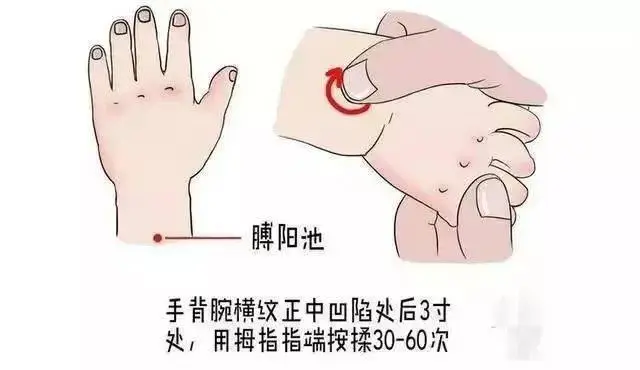
Operation: hold the child's left hand in his left hand, turn the hand down, and rub the yang pool with his right thumb 100 to 300 times。
Three, seven knots down
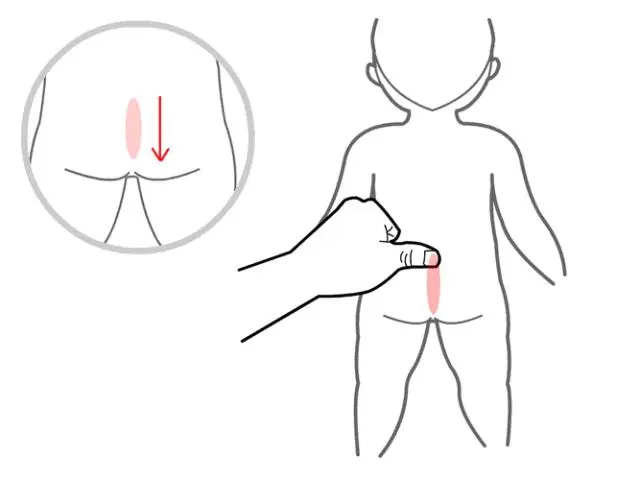
Operations: pushing the side side of the thumb or the food, the middle finger, from the bottom, to the top of the seven skeletal bones; conversely, to the lower of the seven skeletal bones. General push 100-300 times。
Note that every time a child is ill, his/her health condition is different and he/she cannot give the child medication on his/her own authority, as prescribed by a previous doctor。
Introduction by experts

Name: han yaqing
Section: penaco
Title: deputy director doctor
Specialized in: paediatric slash neck, indigestion, diarrhoea, constipation, cough, anorexia, etc.; common paediatric diseases such as congenital muscular slash, near-sightedness, stunting, urine, nightfall, paediatric agitation etc。
Outpatient hours: tuesday, wednesday, thursday morning

Name: hu pédra
Section: penaco
Title: deputy director doctor
Specialized in: stunting, cerebral palsy, diarrhoea, cough, fever, anorexia, constipation, low vision, hypertrophy in paediatric samples, and common childhood diseases such as congenital muscular slash。
Outpatient hours: specialist consultations: monday, tuesday, thursday, full day; wednesday, friday morning。
Sitting place: passage building, third floor, dispensary 11
Name: ma xiaojun
Section: penaco
Title: doctor in charge
Expertise in: treatment of common diseases such as congenital muscular slash, indigestion, anorexia, diarrhoea, constipation, cold, cough, gland dysentery, stunting, urine, nightingale, paediatric acupuncture, neonatal yellows, etc., in preventive health care。
Out-patient hours: full-day, week-day, week-day
Sitting place: passage building, third floor, dispensary 11