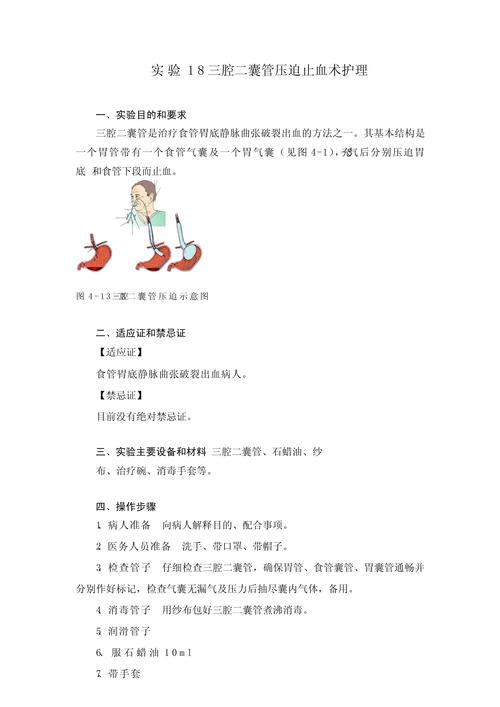
The care of a 3-script 2-screech tube is often used to stop bleeding in the cavity of the cavity caused by the high pressure of the door, when the dysenteral artery breaks up, and is used to suppress the stomach and the oestic haemorrhage for the purpose of curbing the bleeding. (i) according to the hypotensive cavity of the cavity of the cavity of the stomach, the convulsion of the stomach, coronary heart disease (ii) abdominal cardiac disease, hypertensive pressure and heart failure, 1, triple-breath preparation 2, therapeutic plate, therapeutic bowls, angills, stencils, sphygmomanometers, listeners, 50ml syringes, spring clips 1-3, gauze, glue, cottonmarks, liquid paraffins, bending, gastrointestinal depressors. 3. A towed frame, slider, sandbag (or saline bottle) towed rope. A 50-ml syringe injected 200-250ml gas into the stomach gasket of the 3-m2 tube, 100-150ml gas into the edible airbag, and a spring-clad head. Mouth

2. After checking whether the airbag is damaged, leaked or deformed. The methods used for checking leakages include: putting them in the water to see if bubbles have escaped; observing whether the amount of gas pumped out is equal to the amount injected; and placing the airbags around their ears to listen to leaks. The stomach airbags, edible airbags and stomach cavity are marked at the opening. 2. The patient takes a flat or half-bed and cleans his nose. 3. The air in the exhaust chamber is softened by liquid paraffin oil at the front end of the cavity and outside the cavity, slowly inserted by the nasal cavity, and at the end of the gasket the patient is ordered to swallow and breathe deep until the tube is inserted into 50-60 cm, and the withdrawal of the stomach content indicates that the head end has reached the stomach. Inflate 150-200 ml to 50 mhg in the stomach airbag. Stuck the pipe with an gill, put it out, feel the pipe can no longer be pulled out and have a light impact, use the scooter device at the end of the tube to hold heavy objects for towed pressure, lift the bed feet, and make the angle of tow around 40 degrees, towed
3. About 30 cm from the ground. 5. Placing the tube on the cheek with glue. 6. A stomach fluid is extracted to observe the effects of bleeding, and if hemorrhage is still present, the gasket is inflated from 100-150 ml to approximately 40 mhg in the edible, holding the edible airbag. The opening of the stomach tube is attached to the gastrointestinal depressor to observe bleeding. 7. Time for recording intubation. Patients in the care 1 or in the intubation are taken to the recoil, with a diversion to the side to facilitate the vomiting of some of the circulatory material and, if necessary, inhaler to prevent inhalation pneumonia. Post-barrel observations (1) observe haemorrhages, often inhaling stomach fluids and observing their colours and quantities. If fresh blood is extracted to prove that the oppression is not good, the tug or airbag pressure should be checked and adjusted appropriately. (2) observation of the position of stomach and edible airbags: if the patient is not feeling well under the chest, it should be considered whether there are stomach airbags entering the edibles before they become sick or constricted
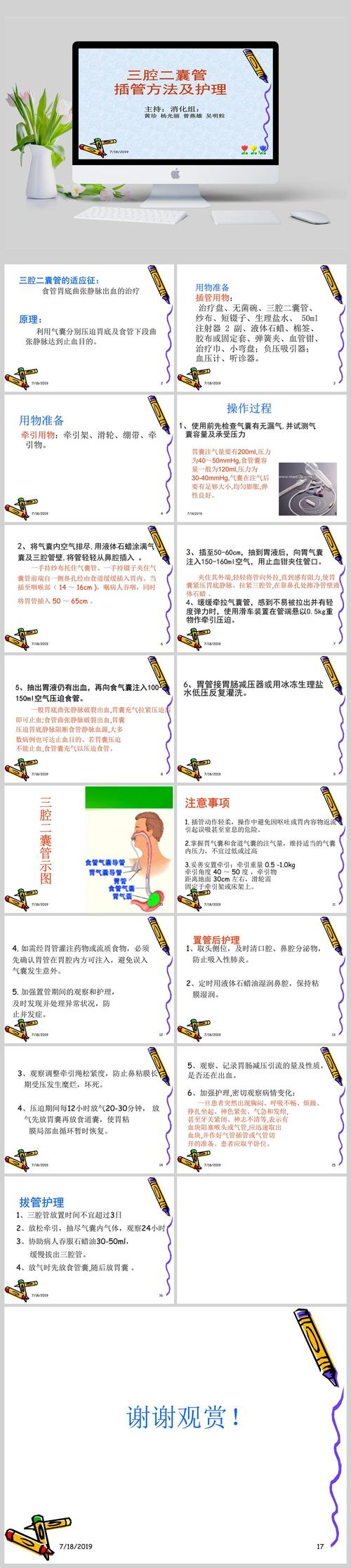
4. An appropriate adjustment should be made for the possibility of a heart pressure at the lower end. (3) check for leaks in airbags: the pressure of the edible airbags and the stomach airbags is examined separately every 4-6h. If the air bladder is broken, the trachea slips to the throat, causing breathing difficulties or suffocation. The spring clip of the tube shall be removed immediately, the gas in the oesophagus removed or the triple cavity cut out and the gas released. 3. Two drops per day into the nasal cavity of liquid paraffins to reduce damage to the nasal mucous membranes from the triple tube. 4. Time out. The three cavity channels shall be marked and easily identifiable, and after the placement of the three cavity tubes 24h, the gas in the edible airbag shall be released every 12 hours, with a relaxation of pull, and the three cavities shall be delivered to the stomach for a small amount, temporarily removing the pressure from the stomach cavity door. 15-30min is followed by inflatable tuning to avoid local mucous membranes being pressured too long to rot and die. 5. Two oral cares per day are provided during the regimen. (c) the provision of intravenous rehydration to maintain the balance of water and electrolyte. 6. Pay attention to nutrition and local medicine. Hemorrhage stopped, and fluids were injected from the stomach cavity, as prescribed by the doctor, several times. 7. Elevator (1) label indicator: triple tube is normally placed for 3-5 days. If the bleeding stops at more than 24h, the draining of the edible airbag, the loosening of the pull, the draining of the stomach airbag, and the observation of 12-24h, is considered. (2) plugging method: lpg 30 ml prior to piping, which slowly removes the reverse gastric tube after lubrication of the mucous membrane and the outer wall of the piping. (3) following the removal of the tube, there is still a need to continue to observe the condition and, in case of signs of haemorrhage, to again intrude to stop the bleeding. Health 1, explain the importance of intubation to patients and their families in advance, and teach patients deep breathing and oscillation education to accompany intubation. 2. 2. Pay attention to the cleaning of the mouth and nasal cavity and advise the patient not to swallow saliva or saliva in order to avoid inhalation pneumonia caused by the accidental entry of the gas tube。