The main components are compounds consisting of silicon, aluminium, iron, calcium and small quantities of coal, potassium and phosphorus。
Ash fractions of coal are an important indicator of coal quality, which affects not only the heat of coal but also its processing use. In the selection of coal, every effort is made to remove mineral impurities from the outside world and to reduce ash fractions。
The lower the gray, the better
Volatile
Volatile fractions are liquid and gaseous products that heat coal up to about 850°c and decompose organic matter from coal in isolation from air。
Volatile fractions of coal reflect the degree of deterioration of coal, ranging from large to small and from small to large。
As much as possible
Heat
Cement, in simple terms, refers to the amount of heat released during full combustion in a unit mass of coal。
The good and bad quality of coal are directly related to its calorie and sulphur content, usually characterized as good coal by low sulphur-containing coal。
The higher the heat, the better
Classification of coal
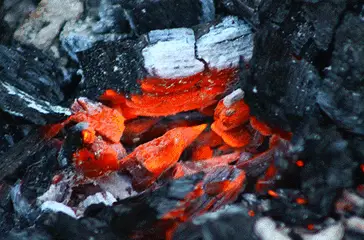
Correlation classification of coal is the environmental classification of primary materials and piles of coal
Scientific classification of coal refers to basic classification such as composition of elements of coal
Operational classification of coal, also known as industrial classification of coal
Classification by process nature and use of coal (the china coal classification and the coal classification in the main industrial countries are functional classifications) the amount of volatilization in coal is based on the degree of coalization, taking into account water and ash classification。
Common power coal can be divided into:
No coal, no coal, no coal, no coal
No coal
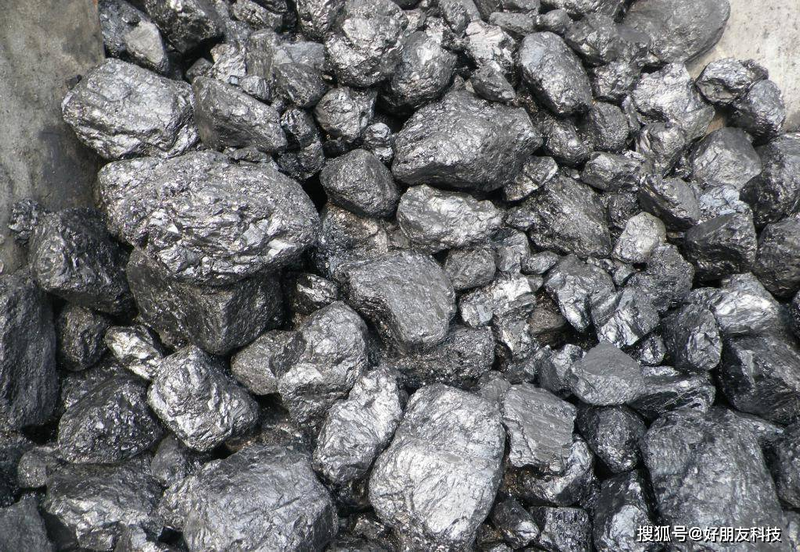
It is the most coalized coal that is known for burning without smoke, coloured in grey black with silver white or corrosive colours, dry without ash, low volatilized content, high volatilized temperature, poor focus, and stable storage without self-ignition. The use of coal, which is used mostly for civilian purposes and for chemical purposes, is difficult to fire and burn。
No coal
Poor coal
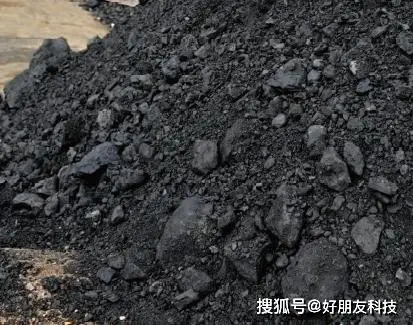
It is the most coalized pyrotechnic coal, which contains high sulphur content, ash content, high point of combustion, high heat, mostly for power coal, with a typical volatilization rate of 10-20 per cent, and which has a higher fire and burn-out properties than smoke-free coal, but is still less reactive coal。
Poor coal
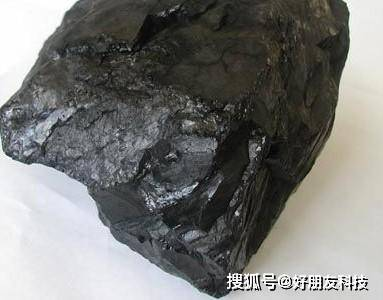
Coal
It is a medium-coalification coal, dry and ash-free, with a high volatile content, typically 20-45 per cent, with less moisture and ash, resulting in higher heat, easy fire and exhaustion, and storage away from high-temperature conditions, but for high-ash coal. It's difficult to burn and burn。
Coal
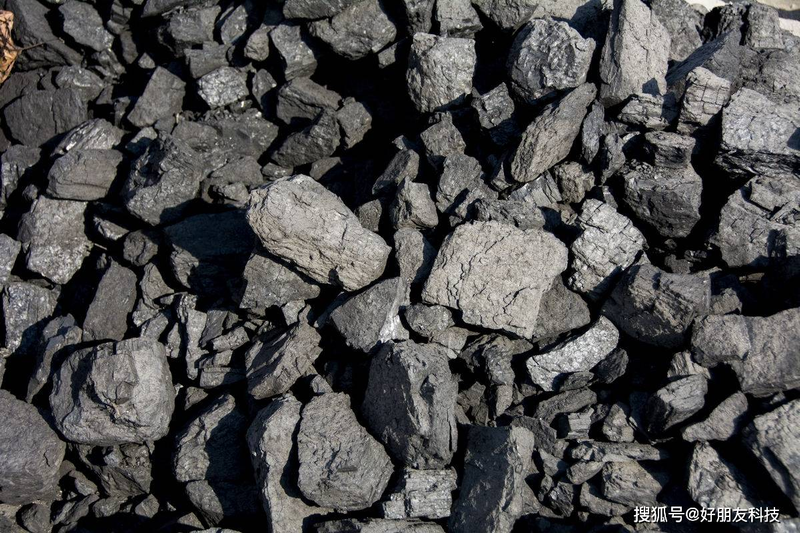
Brown coal
It is the least coalized category of coal, with brown colours and a high watery grey content and pine. For chemical, gasification, civil coal, etc
Brown coal
Coal classification standard
In order to achieve uniform management, in june 2009 the national standards bureau issued the china coal classification national standard gb5751-86, which classifies coal into 14 categories, i. E., lignite, pyrochlor, non-coal, soft sticky coal, 1/2 adhesive coal, gas, fat coal, 1/3-coal, fat coal, coke, thin coal, lean coal, thin coal, plume and smokeless coal, based on six professional classification indicators。
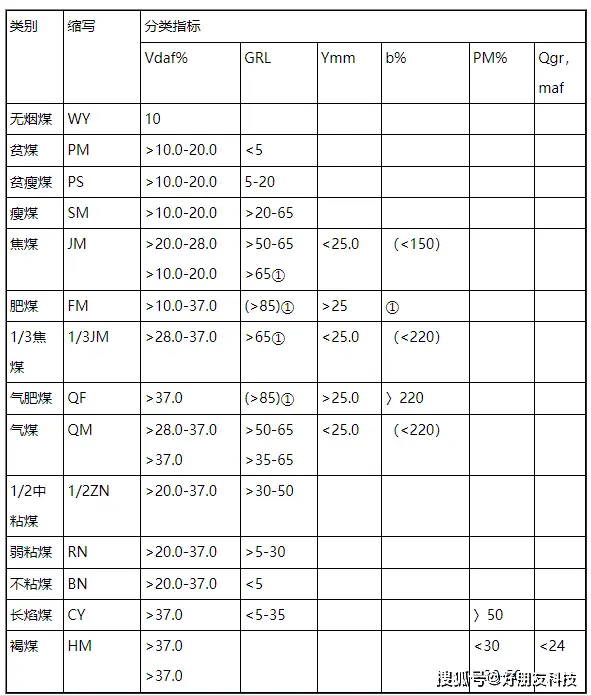
This classification is also the most detailed classification of coal in our country today。
Coal is our basic energy and vital industrial raw material, providing reliable energy security for national economic and social development and is an indispensable resource。