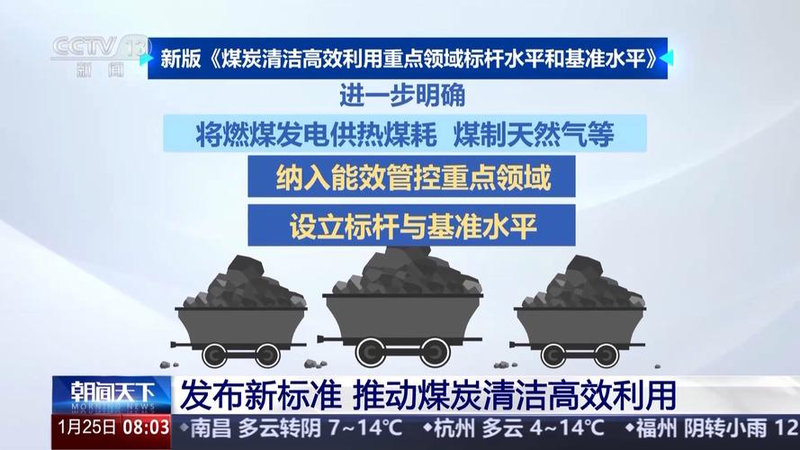
Recently, shanxi province introduced the shanxi province clean and efficient use promotion ordinance, the country's first provincial local statute to promote the clean and efficient use of coal. This is important to accelerate the clean and efficient development of the coal and coal-related industries, to achieve low-carbon use of high-carbon energy sources and to advance the goal of double carbon in a positive and sound manner。
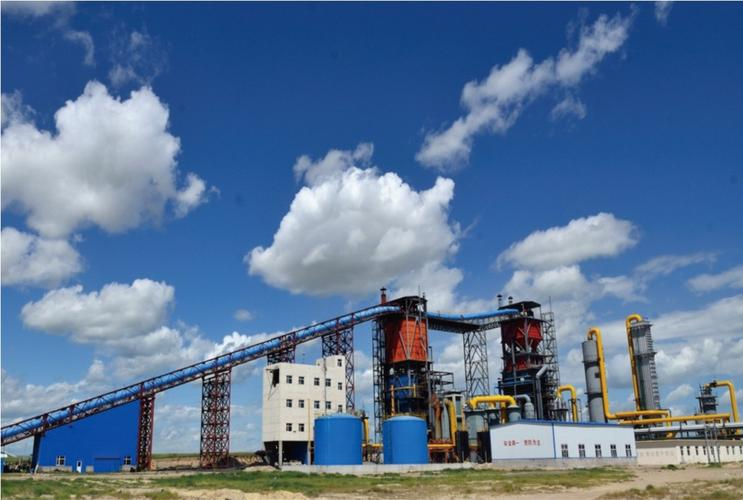
Clean and efficient use of coal is an important means of achieving the “two-carbon” goal and the primary and realistic path to addressing our energy security. The 20 major reports of the party highlight the need to further the energy revolution, to strengthen the clean and efficient use of coal and to accelerate planning for the construction of new energy systems. It is well known that reducing coal can effectively reduce carbon, but reducing carbon does not amount to reducing coal, let alone decorating, but to a green transformation of coal. In this regard, the concept of green development needs to be developed and implemented, with a firm commitment to scale development, clean and efficient use, the remodelling of the strategic map of coal in the energy structure and the optimal upgrading of the coal industry. Clean and efficient use of coal, on the other hand, refers to activities directed towards green transformation to increase the efficiency of coal use throughout the coal industry. It involves production, washing, processing, transportation, distribution, utilization and transformation, which will serve as a basis for our energy security and transformation。
How can coal be captured for clean and efficient use? It should be approached from multiple angles and effectively applied。
First, the main tasks of clean and efficient use of coal should be further identified. Building on the realities of our coal consumption structure, optimizing the layout of coal-washing enterprises, improving the level of coal-washing processing, matching user demand with precision, and defusing wasteful and inefficient coal resources are prerequisites for the efficient and clean use of coal. At the same time, there has been a gradual reduction in the consumption of dispersed coal through the orderly conversion of gas and electricity. Implementation of policies such as reduced or equivalent replacements, promotion of efficient industrial boilers and more efficient coal combustion。
Secondly, the role of government should be fully guided by the strategic foundation of the coal industry. From the practical point of view of our coal resources, guiding regulations are being put in place at the provincial level in due course to clarify the overall orientation for the clean and efficient use of coal. The relevant sectors are based on local realities, with effective interfaces with national spatial and ecological conservation plans, such as those related to the use of coal stratification and the conversion of low-grade coal, the preparation of cleaner and efficient use plans, the further definition of objectives, tasks and measures, and the integration of clean and efficient use of coal. The energy authorities above the county level should take the lead in organizing, coordinating and directing the clean and efficient use of coal。
Third, innovation in the clean and efficient use of coal technologies. Currently, our country is leading the world in terms of coal-fired power generation technology and has built the world's largest clean and efficient coal power supply system. A significant proportion of coal-chemical technologies are advanced or leading internationally and industrial systems are sound. In the field of deep-water gas development, continuous pipeline crushing technologies and equipment have autonomous intellectual property rights. In the future, there is also a need to further improve the clean and efficient use of coal by maintaining scientific and technological barriers in such areas as efficient coal combustion power generation technologies and cleaner and efficient conversion technologies. (source: daily economics, by zhao shigeqi)