Low-carbon, green, small science -- eat, wear, live, walk

How can we, as ordinary people, live with the concept of low-carbon environment
01
On low-carbon diet

01
Reduction in the use of one-time sets
One-time items are cheap and unsustainably available only once, such as one-time plastic bags, fast-food boxes, paper cups, sanitary chopsticks, etc. Their use should be reduced in daily life。
Proper use of one-time products would not cause too much pollution of the environment, but if used uncontrolledly, pollution of the environment would be very serious。
02
Select simple packaging
Reduced use of 1 kg of packaging paper to save energy of approximately 1. 3 kg of standard coal and corresponding reduction of 3. 5 kg of co2. By reducing the volume of packaging paper by 10 per cent per year, the country could save 1. 2 million tons of paper and reduce co2 by 3. 12 million tons。


02
About low-carbon clothing
01
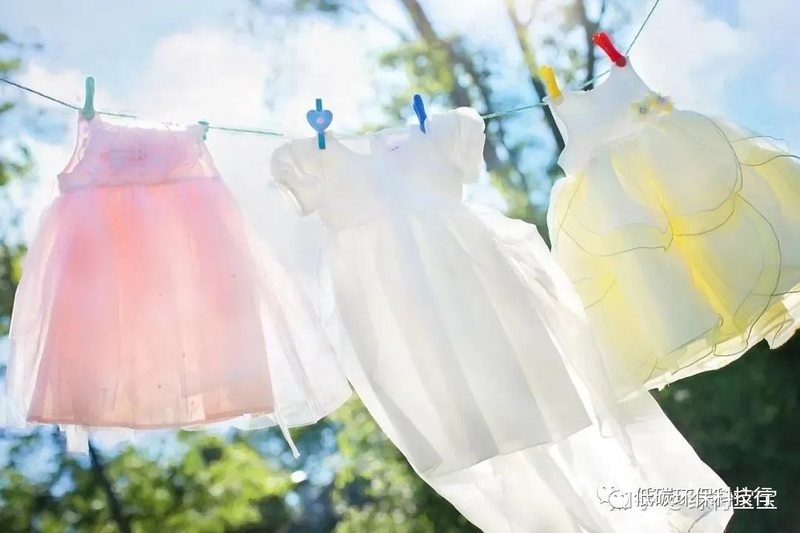
Choose natural raw materials to make clothing
An estimated 400 grams of fibre-optic clothing emit 47 kg of carbon dioxide, 117 times its own weight, over two years
By comparison, less than 15 per cent of the energy consumed in the manufacture of natural materials, such as cotton, wheat, silk and bamboo fibres, is consumed。
02
♪ rejecting the old ♪
The production, processing and transport of clothing consume energy and generate carbon emissions。
With a guarantee of daily needs, each person buys less than one unnecessary dress each year, reducing co2 by 6. 4 kg。
If 25 million people throughout the country do so annually, co2 reduction will reach 160,000 tons。

03
Advocacy - low-carbon housing
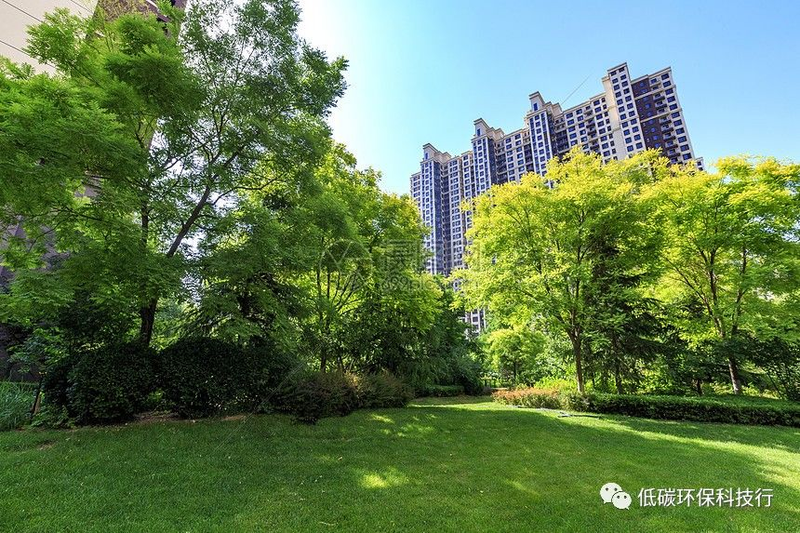
The indoor temperature is careful
When air conditioners are used, the summer temperature is set at 26°c ~ 28°c and the winter temperature at 16”c ~ 18%. At the same time, lower indoor and outdoor temperature differentials reduce the likelihood of cold。
If each air conditioner is raised by 1 °c above the 26 °c promoted by the state, it can save 22°c per year and reduce co2 by 21 kg。
If this measure is applied to 150 million air conditioners throughout the country, it will save about 3. 3 billion degrees of electricity per year and reduce co2 by 3. 17 million tons。
Power outages when appliances are not used
An electrical device that is on hold after a shutdown will still run out of electricity and will only be completely out of power if the power is removed。
Do not underestimate this small move. If everyone insists, the country will save about 18 billion degrees of electricity per year, equivalent to the sum of the annual electricity generated by the three major nuclear power plants in the gulf, reducing co2 by about 17 million tons。

04
Advocacy - low carbon travel
Public transport helps
Reducing traffic congestion and carbon emissions
My country strongly calls for a “one-three-five” green travel model, that is, walking within three kilometres, riding three to five kilometres on a bicycle and travelling more than five kilometres in public transport。
If 20 million households in the country replace their own 200 km by public transport or bicycle, a reduction of 740,000 tonnes of co2 could be achieved annually。
The lower floor chooses to climb
Elevators consume about 30 billion degrees per year。
If the lower floor is chosen to walk up and down, the multiple elevators are selected using only one elevator control button, and only part of the elevator is opened during the rest period, with an annual power saving of 5,000 degrees per elevator, equivalent to a reduction of 4. 8 tons of carbon dioxide emissions。
Such measures, if implemented by some 600,000 elevators throughout the country, could save approximately 3 billion degrees of electricity per year, correspondingly reducing co2 by 2. 88 million tons。