The newspaper, wang ho, daily people's journal, 29/03, edition 04
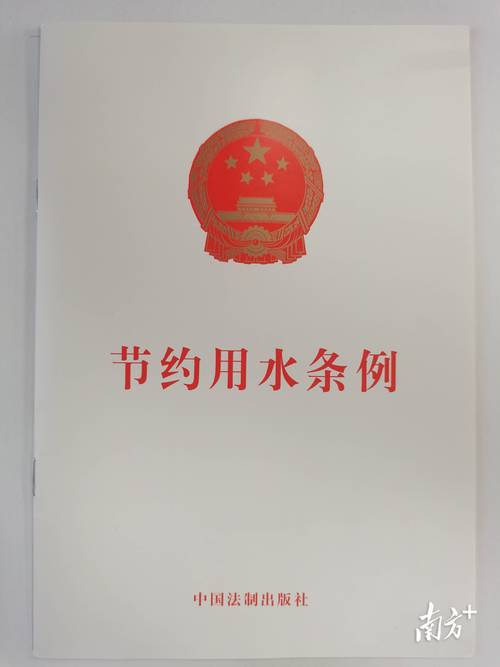
Recently, the water conservation ordinance was promulgated and has been in force since 1 may 2024. On 28 march, the press office of the state council held a routine briefing on state council policy, which was given by the relevant authorities to the comrades concerned。
Increased efficiency and effectiveness of water use and increased awareness of water conservation throughout society
Water is the basic natural and strategic economic resource of national livelihood. Our total water resources are the sixth highest in the world, but the per capita water resources are only 35 per cent of the world average, with nearly two thirds of the cities in the country suffering from water scarcity to varying degrees。
“to address the shortage of water resources, water conservation is fundamental.” the deputy minister of water affairs, li li liansheng, made a presentation on the intensive implementation of the national action for water conservation, the strengthening of the rigidity of water resources, the establishment of a sound water-saving system policy, the sustained promotion of efficiency in agricultural water efficiency, industrial water efficiency reduction, urban water conservation and rainfall, and a significant increase in water efficiency. Compared to 2014, water consumption in 2023 fell by 41. 7 per cent for gross domestic product (GDP) and 55. 1 per cent for industry value added by 41. 7 per cent and increasing efficiency and effectiveness in water use and increasing awareness of water conservation throughout society。
Five years after the implementation of the national programme of action for water conservation, the objectives have yielded significant results. Li yingsheng introduced the control objectives and gradually established water-saving production and lifestyles; focused efforts were made to establish a national water quota system covering more than 80 per cent of water use, with more than 60 per cent of the country's districts meeting the social standards of water-saving practices; institutional reforms continued to deepen, bringing the total area of arable land under the comprehensive reform of agricultural water prices to 900 million acres and improving the mechanisms for establishing water supply prices for urban water supply and water supply projects; policy guarantees were being strengthened and the ministry of water services led 20 departments to establish an inter-ministerial coordination mechanism for water conservation。
With regard to urban water conservation, the ministry of housing, urban and rural construction has integrated water conservation requirements throughout the entire process of urban planning, construction and governance, promoting water-saving urban construction in all its aspects and improving urban water efficiency. The head of the urban construction department of the ministry of housing, urban and rural construction made a fine presentation. A total of 11 145 national water-saving cities have been built throughout the country, with a pilot project on the use of renewable water in 116 cities, with approximately 18 billion cubic metres of renewable water being used annually and 29 per cent of the total. Since 2015, the construction of sponge cities has been advanced, with pilot demonstrations in 90 cities across the country。
Agriculture is a major user and has the potential to conserve water. The water sector develops water-saving irrigation in agriculture, strengthens water management in agriculture, deepens the comprehensive reform of agricultural water prices, promotes the construction of digital twin irrigation areas, achieves online measurement of canal taps in large and medium irrigation areas of over 50,000 acres, and has issued irrigation quotas for 14 major crops at the national level。
Strong initiatives to ensure effective implementation of the water conservation regulations
Li li liansheng explained that the water conservation ordinance contains six chapters, article 52, and that water conservation efforts should be consistent with the leadership of the communist party of china, establishing mechanisms for water conservation led by the government, coordinated by all parties, market regulation and public participation; strengthening water management, including the preparation of national water conservation plans, organization of national water use quotas, etc.; improving water conservation measures, including the active development of water-saving agriculture, the development of water-saving irrigation, etc.; strengthening safeguards and monitoring, including sound agricultural water precision subsidies and water-saving incentives; and imposing strict legal liability for violations。
The director-general of the policy and regulation department of the ministry of water and water management, chen dae yong, made a presentation: “the ministry will fully assume its responsibility for water conservation and management and will fully assume its role as the inter-ministerial coordinating mechanism for water conservation
According to chen dae yong, the water sector will continue to advocate for the implementation of the water conservation ordinance and its implementation into the “eighty-five” universal law on water; strengthen support systems for the orderly promotion, in coordination with the relevant sectors, of water-saving schemes such as the national water conservation plan; promote the conservation of water throughout society, from the collection, supply, use, drainage process and links to the conservation of water resources; and strengthen monitoring and inspection, law enforcement and strict legal scrutiny。
The fourth director of the legislative department of the ministry of justice, zhang keibo, introduced the water conservation ordinance, which aims to promote the conservation of water in society, guarantee national water security, promote ecological civilization and promote quality development. The water conservation ordinance is based on basic water conditions in general, seeks to be comprehensive, ensures practical, and provides institutional interfaces。
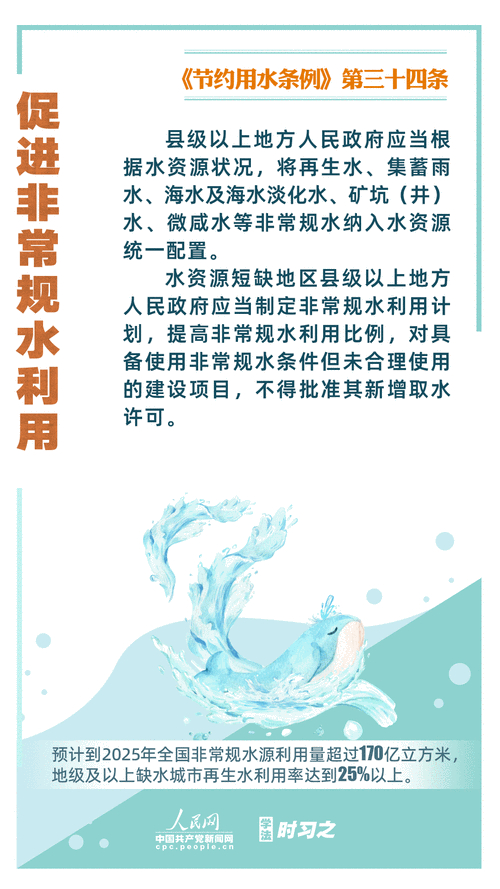
Cowbo, head of the resource conservation and environmental protection division of the national development and reform commission, will strengthen the intensive use of water conservation, vigorously develop the water conservation industry, continuously promote the use of non-conventional water sources, and undertake the upgrading of water conservation equipment。
To insist on a two-hand force that stimulates the economy to conserve water

“assisting on `two hands' in water conservation efforts is necessary to optimize the role of market-based mechanisms, to better serve the role of government and to stimulate the internal drive of society to save water.” chen dae yong's introduction。
In terms of the functioning of the market mechanism, the water conservation ordinance contains a series of provisions. Chen dae yong described, for example, the establishment of a system to promote water-savings, the introduction of ladders for water use by the population, the introduction of incremental increases in non-resident water use over-alignment (super-planned); the development and regulation of water rights markets and support for multiple forms of water-right trading; the provision of greater financial support to water-saving projects by financial institutions; and the encouragement of social, professional and regulated water-saving services。
Water efficiency labelling is an important innovation in water conservation management in our country and an effective government initiative for water product management under market economy conditions. Currently, the national development and reform commission and the relevant departments have issued four series of water-efficiency marker implementation catalogues. The number of water-efficiency-labelling enterprises currently exceeds 11,000, the number of registered product models has reached more than 110,000 and the market share of water-saving products has gradually increased. As far as the right-to-water trade is concerned, the china water exchange has concluded a cumulative total of 11,439 transactions, with a trade volume of 4,307 million cubic metres。
In terms of its role as a government, the water conservation ordinance provides for the strengthening of water quota management, the strengthening of water volume control and planned water management, and the control of construction of high-volume aquaculture projects. Chen dae yong said: “the next step is for the ministry of water to further strengthen the synergy between government and market mechanisms, build integrated water-saving systems, improve policies to support water-saving development, and promote new results in water conservation.”