The ministry of agriculture and rural development had recently published the latest data on the production and operation of national pig production and markets. The head of the department of livestock and veterinary medicine of the ministry of agriculture and rural development informed journalists that in october there continued to be an increase in the stock of pigs and in the stock of able-bodied pigs, that new production capacity had been released in the preceding period, that there had been a monthly increase in the number of pigs produced, and that in recent times there had been a marked improvement in the supply of pork and a price shock. With the onset of the hot winter season, pork consumption will continue to grow, but the resumption of production will lead to a marked increase in pork supply, which is expected to improve further。
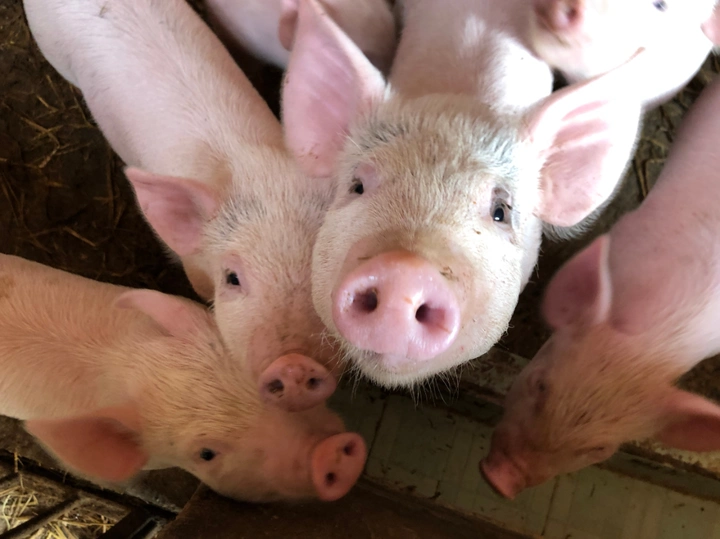
At present, there is a rapid increase in the availability and production of sows and pigs. It was monitored that 39. 5 million pigs were able to be found in october, an increase of 13 months over the same period last year, an increase of 32 per cent; and 387 million pigs in the same period, an increase of 27 per cent over the same period last year. At present, pig production capacity has recovered to around 88 per cent by the end of 2017. In line with this trend, the national pig farm will return to its normal year level in the second quarter of next year。
Farmers have been actively engaged in replanting, with 728 new pig farms starting in october, and a cumulative total of 13,000 new pig farms have been established since this year, and an additional 15,000 last year's empty-coated pig farms have begun to be re-established. The availability of sows has increased significantly, with the sale of binary pigs in the first three quarters increasing by 102. 6 per cent over the same period. New-born pigs and pigs continue to grow, their supply is gradually relaxed and prices have fallen significantly. In some provinces, the price of pigs has fallen from about $2,000 per head to less than $1,000。
“the supply of raw pigs has increased significantly and the price of pork has fallen sharply for more than two months in a row.” according to the officer-in-charge, the cycle from pigling to fatty is generally six months. The gradual release of new production capacity in the preceding period has led to a significant increase in the supply of listed fertilizers. For the first time in a year, pigs were born in september of this year, which was the first year of growth in a 25-month decline. This increase continued to expand in october, when it increased by 38. 5 per cent over the same period, with a marked improvement in the supply of pork. Since september, pork prices have declined for more than two consecutive months. In the second week of november, the price of pork fell back to $46. 47 per kilogram in the national market, a decrease of 18. 0 per cent in comparison with the previous year, more than $13 in the third week of february。
While pork consumption will continue to grow with the onset of winter, particularly during the new year's spring season, the resumption of production will lead to a marked increase in pork supply, which is expected to improve further. On the supply side, with the gradual release of new production capacity, the marketed fats will expand further and it is estimated that the supply of pork will increase by about 30 per cent over the same period of the previous year during the new year's festival (december 2020 to february 2021). On the demand side, an increase in consumption during the new year's spring may have led to a wave of increases in pork prices (normal years typically increase between 6 and 10 per cent), but overall it will be lower than the same period in the previous year。
It is worth noting that, as the cost of pig farming increases, the market risk for fertilizer producers who purchase pigs at higher prices in the preceding period increases. Data from the ministry of agriculture and rural development show that the cost of fatty hogs in october was $1850, an increase of $260 from before the outbreak of the african swine plague. Of these, higher maize prices increased feed costs by $80, prevention costs by $130 and waste disposal costs by $50。
“it is a matter of concern that the profits from the previous period's high-priced purchase of pigs for professional fertilizer farming have been significantly reduced. The national average price of live pigs fell to $29. 74 per kilogram in the second week of november, and a further decline of $3 to $4 could result in losses for professional fertilizer producers.” the official warned。
(economic daily)