Since then, the central party, centred on comrade xi jinping, has made a series of major decisions on intellectual property and has put in place a series of important policy measures to promote the historic achievements of our intellectual property enterprise. The “1455” period was the first five years of the country's full-scale construction of a healthy society and of its first centenary of struggle, when it took advantage of the new march towards a full-fledged socialist modern state and its second centennial of struggle. In this context, the development and implementation of the plan for the protection and application of intellectual property in the “xiv5” states, with a view to improving the top design of the legal regime for intellectual property, is of great importance。
Achievements in building the legal regime for intellectual property during the “1355” period
During the “1355” period, the forward-looking study of the legal regime governing intellectual property rights intensified, negotiations and consultations on international rules governing intellectual property rights progressed steadily, and the rule of law on intellectual property rights was well established and effectively advanced towards a deeper development of the rule of law。
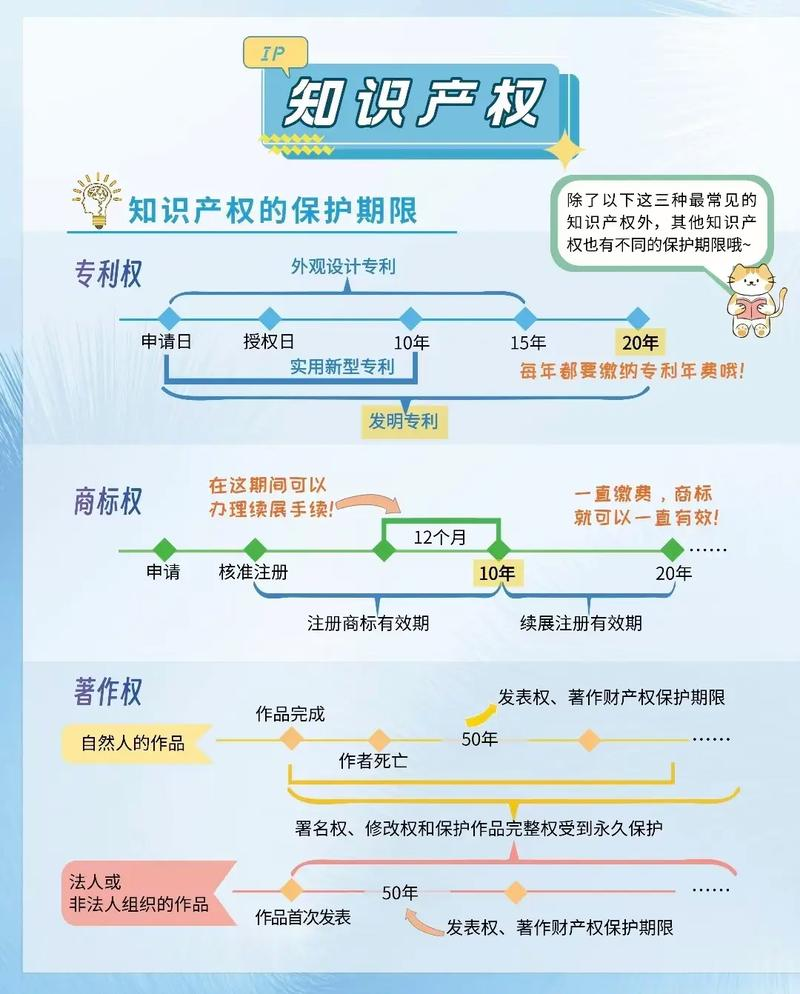
The first is to complete the process of amending the relevant legislation. The revision of the patent act was fully pursued and, in 2020, the twenty-second session of the standing committee of the thirteenth national people's congress adopted a decision to amend the patent act, which became effective on 1 june 2021. The fourth amendment to the trademarks act was completed and its provisions became effective on 1 november 2019. (c) the publication of certain provisions regulating the registration of trademark applications to enhance the operationality of the relevant provisions. Conducting an in-depth study and validation of the improvement of the legal regime for geographical indications, revising the provisions for the protection of geographical indications products and consulting publicly。
The second is to promote legal research on the fundamentals of intellectual property. The implementation of the national plan for the protection and application of intellectual property in the 13th five-year plan has led to ongoing thematic validation, ongoing consensus on the need for and feasibility of legislation, model legislation, content of legislation, and the development of milestones such as draft legislative proposals。

Third is the promotion of intellectual property rights protection for genetic resources, traditional knowledge, folklore and new varieties of plants. Implement the relevant provisions on traditional knowledge in the chinese medicines act and promote legislative work such as the biosafety act, the regulations on the management of human genetic resources, and the regulations on the protection of traditional knowledge in chinese medicine. Work closely with relevant authorities to improve laws and regulations on the protection of new varieties of plants。
Fourth is the continuous refinement of the patent review policy. To further respond to the new demands of the rapid development of economic society and science and technology for review, to continuously improve patent review rules, to revise the patent review guidelines four times and to modify and implement the patent priority review management scheme. (c) promulgation and implementation of the centralized review of patent applications management scheme (piloted) and establishment of a centralized system of review of patent applications for priority advantage industries。
The fifth is deep involvement in foreign work. Active participation in the world intellectual property organization (wipo), world trade organization (wto) platform multilateral rule-making and the negotiation of intellectual property chapters of free trade agreements (ftas) such as china, japan and korea, as well as the successful signing of the regional comprehensive economic partnership agreement (rcep) chapter on intellectual property. Participated in and implemented the negotiations of the central european agreement on trade and economic cooperation, the agreement on the protection and cooperation of geographical signs and the convention on biological diversity. Ongoing preparations for accession to the hague agreement on the international registration of industrial design (1999 text)。
Developments during the “xivv” period
At a new stage in development, and in the face of complex domestic and international situations, intellectual property law work faces both rare historical opportunities and daunting challenges。
In the domestic context, the central party and the state council are increasingly focusing on intellectual property and making a number of major deployments to intellectual property. The secretary-general of xi has repeatedly emphasized the important role of the intellectual property system and has made it clear that china will invest in creating a business environment that respects intellectual values and comprehensively improves the legal system for intellectual property protection. At the same time, our economy has moved from a period of high growth to one of high-quality development, with a significant increase in the level of innovation in the country, a significant increase in the motivation of the main agents of innovation, and entrepreneurship as an important engine for economic development, all of which place higher demands on the improvement of the intellectual property legal system。
In the international context, the global economic landscape had been profoundly adjusted, unilateralism and trade protectionism had increased, with serious repercussions for the authority and effectiveness of the multilateral trading system, and multilateral negotiations in the area of intellectual property rights had been deadlocked or even stalled. However, in the broader context of globalization, openness and cooperation remained countries ' development needs, and global bilateral and small multilateral trade agreements had made significant progress and achieved results in the context of slow multilateral consultations. At the same time, we need to deepen reform and openness and “leave out” to enable businesses. We also need to uphold multilateral rules, engage deeply in the construction of new rules and actively promote bilateral and small multilateral economic and trade negotiations, and become custodians of multilateral rules and contributors to new international rules。
Priority tasks for improving the legal regime for intellectual property rights during the “1455” period
During the “1455” period, the legal and regulatory framework for intellectual property rights was improved, the legal regime for intellectual property rights was effectively coordinated with other legal systems, the domestic legal regime for intellectual property rights interacted in parallel with international treaties on intellectual property rights, the system of intellectual property rights review was fully responsive to the needs of national economic, scientific and technological development, a sound legal basis for the strict protection and efficient use of intellectual property rights was established, regulatory safeguards were created to advance the reform of the global governance of intellectual property rights and effective institutional incentives were provided for innovation-driven development。
The first is to improve the laws and regulations governing intellectual property rights in a comprehensive manner. (c) to move forward with the revision of the implementing regulations of patent law, to refine the system of patent review, to strengthen patent protection and to strengthen the interface with international rules, and to safeguard the effective implementation of the regimes under patent law. Research has been carried out on priority issues such as strengthening the protection of trademark rights and the obligation to use them in a comprehensive manner, and efforts have been made to improve the regulation of the phenomenon of malicious registrations, such as bookkeeping and record-keeping. The revision of departmental regulations relating to geographical indications is further advanced in the light of the inadequate provisions of the review procedures currently in place in the legal regime for geographical indications, the weak protection of rights and the lower rank of law, as well as the active undertaking of specialized legislative studies on geographical indications, with a view to the early formulation of draft recommendations and proposals for legislative plans, and the continuous improvement of the legal regime for geographical indications. Conduct a study on the legal regime for the improvement of the design of integrated circuit maps, conduct a post-legislative assessment of the integrated circuit chart design protection regulations and their implementing regulations and make legislative recommendations. To promote the improvement of intellectual property rights provisions, such as the anti-improper competition law, the antimonopoly law, the science and technology progress law and the electronic commerce law, which together contribute to the economic and social development of the country。
Second, there is an in-depth legal study of the fundamentals of intellectual property rights. With a view to accelerating the building of a strong intellectual property state, promoting the modernization of governance systems and capacities in the area of intellectual property, addressing the legal implications of individual intellectual property laws, further demonstrating the importance of developing a fundamental intellectual property law from the perspective of strengthening top-level design, enhancing legal consistency and raising the level of legalization of intellectual property rights, constantly enriching the draft and further developing exchanges and discussions, and promoting the early inclusion of a fundamental intellectual property law in the national people's legislative plan。
Third is the continuous promotion of systems for the protection of genetic resources, traditional knowledge and folklore. Further improve access to genetic resources and benefit-sharing systems and develop conservation approaches in areas such as folklore and traditional knowledge. Work continued on the above-mentioned issues to promote the establishment and improvement of relevant domestic regulations. Promote the development of the traditional knowledge protection regulations for chinese medicine. Further improvement of the system for the protection of new varieties of plants, taking into account the actual development of our farming industry and the needs of innovative subjects, has led to the completion of a new round of amendments to the seed act, the regulations for the protection of new varieties of plants。
Fourthly, there is a study to strengthen the extraterritorial application of our intellectual property laws and to improve the rules for the protection of intellectual property rights of cross-border electricians. To study the extraterritorial application of intellectual property law in the area of necessary patents, taking into account the characteristics of the necessary patents for the standard, and to make recommendations for their improvement in the light of the characteristics and needs of the current stage of industrial development in the country. From the standpoint of the development of our cross-border electrician industry, research, mapping and analysis of the main problems and causes of intellectual property protection for cross-border electricators, as well as studies and recommendations for improvement of the intellectual property rules for cross-border electricators from different perspectives of innovation protection and industrial development。
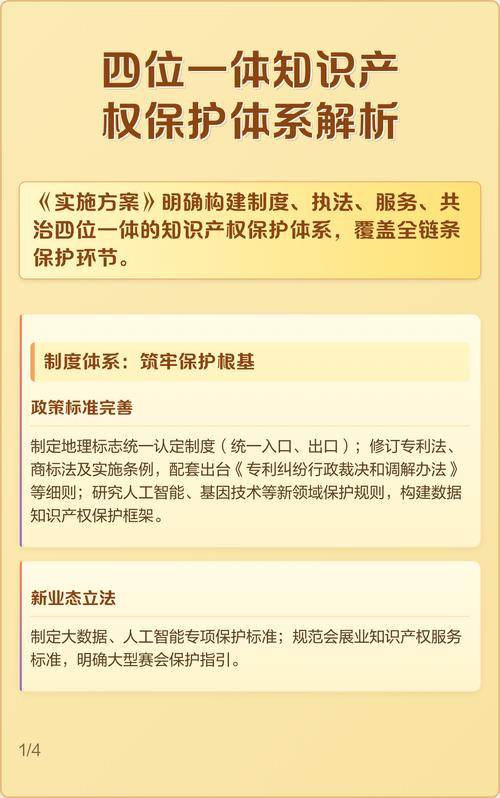
Fifth is the continuous refinement of patent and trademark review standards. To further improve and refine the system for the protection of intellectual property rights in new industries, and to continue to study and refine the relevant review rules in the patent review guide in the light of developments related to big data, artificial intelligence, genetic technology, etc., and the needs of innovation subjects. Revision of the standards for the examination of trademarks, addition of procedural standards for the examination and examination of trademarks, enhancement of the application and guidance of the standards for the examination of trademarks, and guarantees of uniformity in the application of laws and consistency in their implementation。
Sixth is further in-depth involvement in related foreign work. Promotion of accession to the hague agreement on the international registration of industrial design (1999 text). Actively promoting trade-related multilateral and bilateral intellectual property negotiations, implementing the ipr chapter of the rcep, studying the intellectual property provisions of the comprehensive and progressive trans-pacific partnership agreement (cptpp), and continuing to actively participate in the who standing committee on patent law (scp), the standing committee on trademarks, industrial appearance design and geographical signs, the standing committee on law (sct), and the intergovernmental committee on intellectual property and genetic resources, traditional knowledge and folklore (igc) discussions on topics such as, inter alia, the presentation of china's programme and contribution to china's wisdom. (author: director of the division of law of the national intellectual property authority)