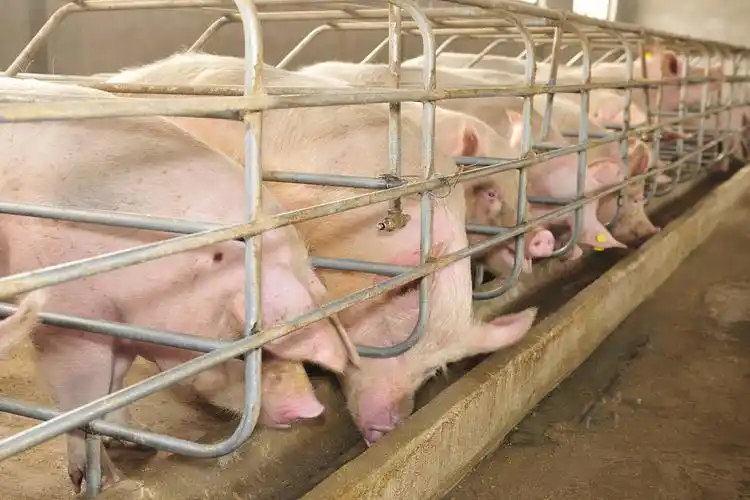
In the recent past, the prices of raw pigs have continued to decline, with a strong market response. Since the third quarter of 2025, the market for raw pigs appears to have been overshadowed by the shadows of “sliding down” with innovatively low prices, which are deeply troubling the farmers. Why is the price of raw pigs continuing to decline? And what will be the future of the pig-producing market
Reasons for the decline in the price of raw pigs
1. 1 oversupply
The primary reason for the fall in the price of raw pigs is oversupply. A significant improvement in the profitability of the farming industry, stimulated by the recovery of the pig cycle in 2024, has attracted a large number of farmers to increase their input into the production of the pig, thus contributing to the rapid expansion of production capacity. From the beginning of 2024 to the end of the year, the capacity of pig farms rose steadily from 7. 84 million to 8. 99 million, with an annual growth rate of 14. 5 per cent. Although expansion slowed in 2025, it continued to operate at a high level during the first half of the year, resulting in high levels of sow storage。
The long-term high-level operation of the sows' storage column has inevitably led to a sustained increase in the supply of pigs. In the third quarter of 2025, for example, the supply of weaning pigs increased significantly by 12. 3 per cent per year and the number of pigs in the market increased dramatically. At the same time, significant progress has been made in the breeding and introduction of quality binomial pigs in large-scale pig farms, where their share in the market has risen to 80 per cent. The quality of their reproductive performance, the number of high-yielding children and the high degree of alignment of pigs have further increased the quantity and quality of their supply. The supply gap caused by the epidemic was quickly bridged, and the market supply-demand relationship shifted completely from “supply-to-demand” to “supply-to-demand”, forcing pig prices to fall and opening the way down。
1. 2 weak demand
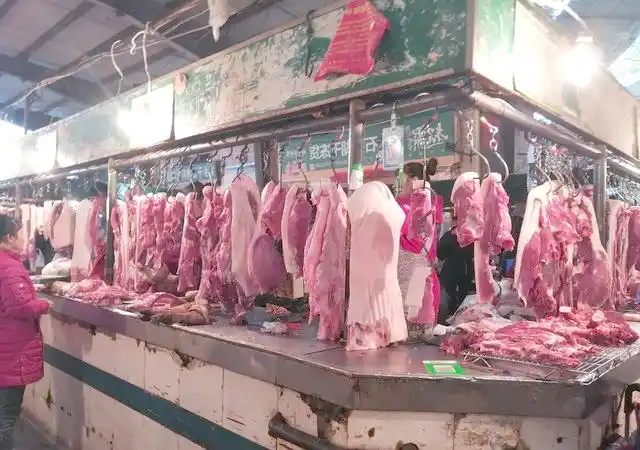
Weak demand also affects prices. In the light of the off-season shocks of seasonal demand, demand for pork grew slowly after spring and was unable to keep pace with supply growth. Although the demand in the institutional canteens and large catering industries remained stable, the weakening of individual consumption demand caused a rapid decline in pork prices after the festival. For example, after the spring festival in 2025, the price of raw pigs continued to decline, with wholesale prices for white pigs reaching a low of nearly 26 months and wholesale prices for white pigs in 36 large and medium cities falling to a low of nearly 18 months。
In addition, the economic downturn has led to a conservative willingness to consume, and the growth of pork consumption has been weak. Consumers have become more cautious and price-sensitive in purchasing pork, which further increases the pressure on pork sales. At the same time, as standards of living have improved and the diet has changed, consumer demand for pork has stabilized and is no longer declining significantly with price fluctuations, as in the past, reducing the elasticity of demand in the raw pig market and making it difficult for prices to be boosted by increased demand。
1. 3 loss of fertility chain
Since july 2025, there has been a persistent decline in the pig production market, which has led to losses in the fertilizer chain. The overall loss of the fertilizer chain has led to a further decline in pig prices. Since late july 2025, the pig production market has continued to be depressed and the fertilizer chain has been the first to suffer losses. In october 2025, for example, the average price of raw pigs was only $12. 7 per kilogram, resulting in an average production value of $1653. 67, while the average cost of a pig was $2048. 64, resulting in a loss of $394. 97 per pig. This continued loss has made the farmer cautious in filling the bars of pigs, fearing that he or she will find himself in a deeper position because of bad decision-making。
In addition, the special fertilisation cycles prior to the spring season have had a significant deterrent effect on the demand in the pig market. On the basis of the regular fertilizer cycle, 7 kg of piglets were added between september and october and, after five months of fertilizer, the timing of the checkout fell between february and march 2026, i. E. Between one and two months after the spring festival. However, historical data indicate that during this period the prices of raw pigs tended to be lower during the year. In 2024, for example, the price of raw pigs fell by 18 per cent from february to march after the spring festival, making it difficult for farmers to obtain the expected benefits during this period. In the light of this historical experience, farmers are generally cautious about the “post-spring” cycle, resulting in a significant decline in the willingness to supplement the column, which in turn leads to a significant reduction in demand in the pig market, creating a vicious circle of “price fall-coup fall-demand decline”。
Policy regulation and future prospects
2. 1 policy regulation measures
The government is actively pursuing measures to stabilize markets and prices by promoting the size and standardization of the pig industry, providing financial support and strengthening monitoring early warning, and preventing losses from excessive decline. Policy regulation plays an indispensable role in stabilizing the market for raw pigs. In order to ensure smooth operation of the raw pig market and reasonable price fluctuations, the government has developed and implemented a series of regulatory measures. For example, the ministry of agriculture and rural development is working to promote the scaling up and standardization of the pig industry by providing financial support for new and expanded pig farms and scale farms through investment in the central budget in order to improve infrastructure and upgrade equipment. In addition, the government has strengthened its monitoring and early warning mechanisms for pig production capacity and issued timely early warning information to guide farmers in making reasonable production arrangements. In the event of a fall in the price of raw pigs, the government will take measures such as storage to stabilize market prices, thus preventing farmers from suffering significant losses as a result of the sharp fall in prices. For example, in 2025, the government launched a collection of raw pigs based on market realities, which effectively alleviated the problem of oversupply in the market and provided strong support for the price of raw pigs。
2. 2 future market trends
In the short term, the price of raw pigs may continue to decline due to high levels of supply, but long-term reductions in production capacity will improve supply and demand and may pick up in the next six months, but the recovery process may be lengthy and influenced by a number of factors. Looking ahead, the trend in the price of raw pigs remains highly variable. In the short term, owing to the persistence of the high lag effect in the loads of pigs, it is expected that the supply of pigs in the market will increase further between october and mid-november, reaching an 8 to 10 per cent increase. This will exacerbate supply-to-demand tensions and place the price of raw pigs under greater downward pressure. However, as pig prices continue to decline, some farmers may opt for the elimination of fatty pigs due to severe losses, thereby reducing production capacity. This trend may build up the resilience of future prices for raw pigs。
In the medium to long term, the continued reduction in the availability of the sow column will gradually be reflected in the supply of raw pigs. The data show that by the end of october 2025, the capacity of the whole country had been reduced to less than 40 million sows, a reduction of more than 350,000 compared to the end of september, indicating that the rate of degeneration was accelerating. By the second half of 2026, it is expected that supply-demand relations will improve and that the prices of raw pigs will likely pick up. It is worth noting, however, that the recovery process in the raw pig market may be longer and may also be affected by a variety of uncontrollable factors, such as epidemics and policies。