Trends and effects of pork prices
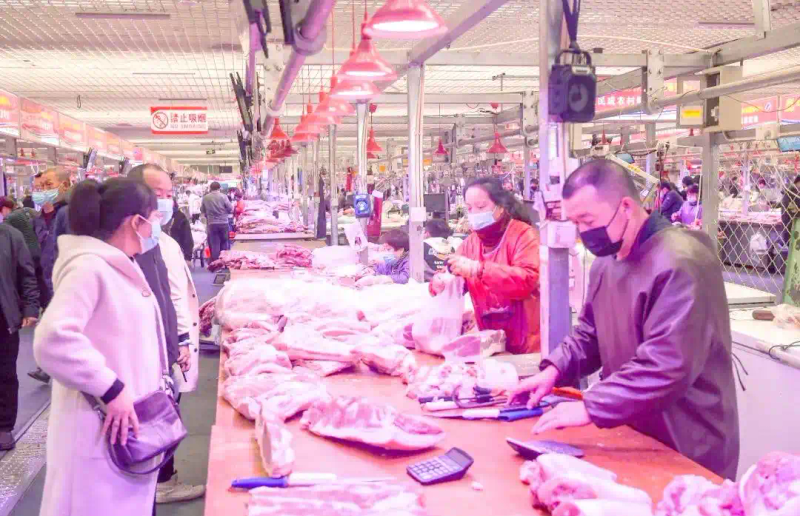
The price of pork continued to decline after the spring festival. At present, the national wholesale price has fallen to about $18 per kilogram, while the price of pork in the market and supermarkets is only 10 per pound, with partial promotions below 10. Looking back a year ago, meat prices remained at a high of 20, up from their previous peak of 30. In less than two years, the price of pork fell by almost two thirds, not only in the form of a “cut”. This means that in the past, 50 bucks in the market for vegetables could buy more than one pound of pork, but now it can easily buy more than three pounds. However, while consumers enjoy low-priced pork, have we ever considered the plight of pig farmers
Severe losses for farmers
High prices of meat work to the detriment of the population, while lower prices of pigs harm farmers. Currently, the pig farming industry is facing serious losses across the entire industry, mainly due to the excessive fall in the price of pigs. By contrast, the wholesale price of pork is 18 yuan per kilogram, and the price of fats sold by farmers is about 13 yuan per kilogram. However, taking into account factors such as higher prices of feed and increased costs of vaccination, the cost per kilogram of pig farming is currently generally higher than $17. As a result, each farmer weighs about 100 kg at the top of the column, with a loss of $2,300 and an additional $4,500. According to current market trends, almost every pig out of the column leads to losses. For small and medium-sized farmers, if 100 pigs are born each month, the loss will be tens of thousands of yuan. Even large-scale leading farming firms, such as new hope, jung-bong, and wen-bong, have forecast that last year's pig farming has suffered a serious loss of billions and billions more。
Market mechanisms and consumer roles
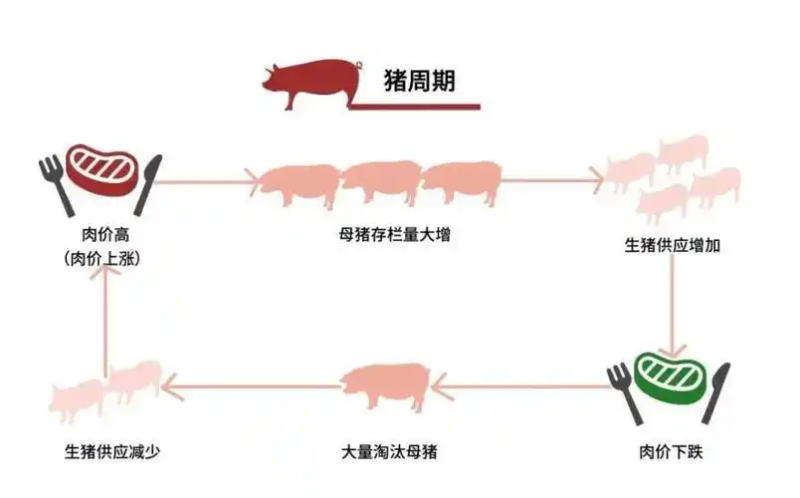
Many urban consumers may have only tasted pork but are unaware of the difficulties behind it. The losses in the pig farming industry, although apparently not directly related to consumers, are in fact related. Because of the continuing severe losses for farmers, it is likely that the phase-out of production capacity will accelerate, especially after the excessive phase-out of the highly fertile pigs, which will lead to shortages in the supply of raw pigs, which in turn will lead to a sharp increase in the price of pork. Farmers and citizens are closely connected through the market and influence each other。
It may be argued that when the price of pigs falls, it increases when the price of pigs rises, thus maintaining stability in the capacity to produce pigs and thus avoiding large losses for farmers. However, the reality is far more complex. The pig farming industry is different from the manufacturing industries such as automobiles, furniture and appliances, and its capacity adjustment cannot be stopped or reduced. It takes about 10 months to get out of the field between the raising of the pig and the production of the pig, while it takes about four months to purchase the piglet alone for fertilizer. In addition, pigs must be out of the field at all times, and even when they face losses, they cannot increase stocks. At the same time, pigs only need treatment for their illness, and rising prices of feed cannot avoid daily feeding. Thus, the pig farming industry is not only exposed to natural risks such as epidemics, but also has to cope with significant market risks upstream and downstream. There is an ancient saying that “the whole family is rich, the hairless is not included”, which is precisely because of the difficulty and difficulty of the farming industry。
The many risks to which the pig farming industry is exposed and the current serious losses are no doubt a source of reflection for consumers. While enjoying the “freedom of pork”, should we be more on the farmer side? Actually, it's not complicated. When the price of pork is low, let us think more about the plight of farmers and take advantage of the opportunity to increase the consumption of pork, which not only stimulates market consumption, stabilizes market prices, but also reduces to some extent the pressure on farmers to operate and prevents the excessive reduction of pig production capacity. And as the price of pork begins to rise, we should also maintain understanding and tolerance and believe in the self-regulation of markets. As long as the pig farming industry is profitable, there will naturally be a positive increase in farmers and an influx of social capital, thus ensuring a stable supply of later pork。
Government response
Of course, in addition to consumers, governments and related sectors played a crucial role during the industry downturn. They need to take positive measures, such as regulating the storage of frozen pork, to stabilize market sentiment and boost market confidence. At the same time, precision in the regulation of pig production is essential to ensure that the production of pigs fluctuates within a reasonable range and avoids large-scale fluctuations in the production of pigs. For those farmers with severe losses and tight financial chains, the government could help them to overcome the crisis by directing financial institutions to increase credit policy support。
In the long term, long-lasting support policies such as enhanced information monitoring and early warning of the whole pig industry chain, stable farm land and environmental protection, and sustained catch-up of african swine plague routines are key initiatives to promote the smooth and healthy development of the pig industry. Only in this way will we be able to ensure the sustainable and stable development of the pig farming industry and achieve a win-win situation between consumers and farmers。