Introduction: four colds known to few people about the extent of white wine, three of which are known to be pros
Chinese drink more often than not, not only at a price, but also in a brand name, but now they add factors that need to be taken into account, such as packaging, craft and origin。
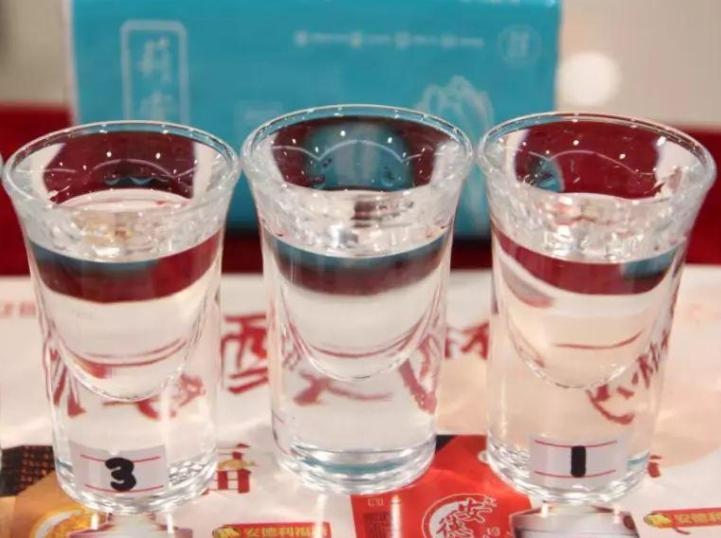
However, there is little concern about the extent of alcohol, which actually contains a lot of information, so let's talk about a few less well-known aspects of white wine and know that more than three are pros。
I. What's the amount of white wine
In the official definition, the degree of white wine refers to the percentage of alcohol (ethanol) in alcohol fluids at 20 degrees celsius, for example, a bottle of 500 ml52 degrees of white wine containing approximately 260 ml of alcohol, which is used here, because of the slight differences in the density of alcohol and water, most drinkers know the basic meaning of degrees。
What's the difference between the degrees of white wine
According to the customary classification of the white sector, white wine is generally classified as low (under 40 degrees, 40 degrees), medium (40-50 degrees) and high (above 50 degrees, 50 degrees)。
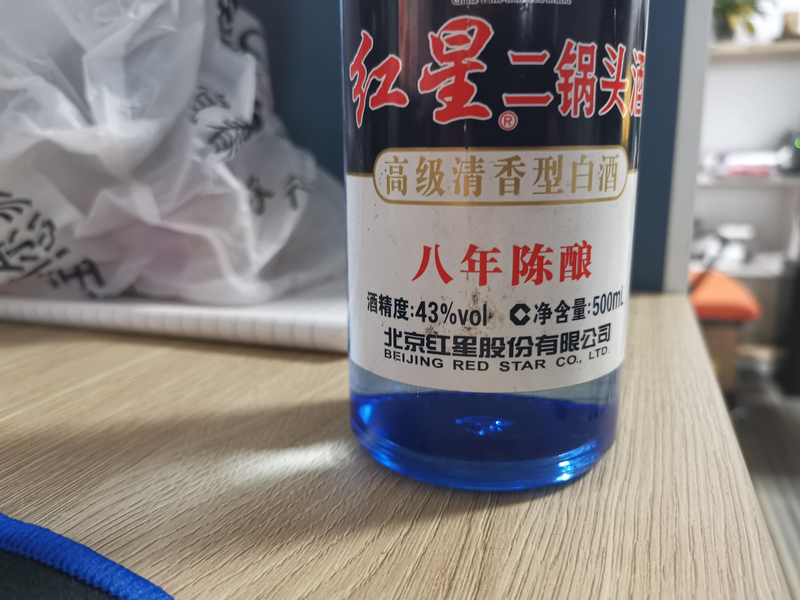
A long time ago, there was a large number of white wines over 60 degrees in the market, and most of them are now concentrated around 52 degrees, with moderates around 46 degrees and lows around 38. Of course, there's about 20 degrees of white wine, but less on the market. People who drink often are clearer about the extent of chinese white wine。
Iii. How does low alcohol come from
Many people simply think that low alcohol comes from direct watering, that it has a poor taste and quality, that it is more resistant to low alcohol, that it is often more complex to produce low alcohol than high alcohol, and that it does not taste worse than high alcohol。
Low-level wine is usually obtained by the brewing of bourbon (heavy-numbered alcohol) with slurry (water), but when it is added, the drinking water becomes fuzzy, so the key to low-intensity wine production is the decomposition and concoction of the slurry. Domestic dilution, mainly by freezing filters, activated carbon adsorption and starch adsorption, has advantages and characteristics that require different decomposition methods depending on the underlying alcohol。
After silt, this is the top-heavy flirtation process in which the taste, scent and taste of silt, which changes and becomes more flat, making it a critical step in the formation of low-intensity wines, which generally are regulated by long-stored, high-quality, specialty wines, increasing the alcohol thickness of low-intensity wines, abundance, sweetness and respiration, so that the low-intensity wines that have been treated are eligible to leave the factory。
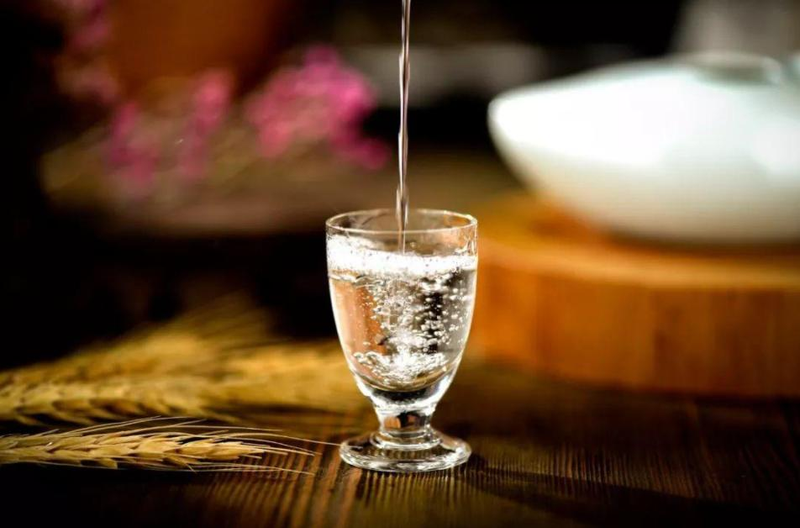
Iv. High wine is worth drinking
There have been rumours of high alcohol worth drinking, which, to be precise, are worth storing, because the high number of alcoholics is more stable, and alcohol is rich in organic trace matter, which facilitates the long-term storage of alcohol. From a health point of view, low alcohol is the white wine that is most worth drinking because low alcohol and alcohol levels are low, do little harm to humans, and the quality of low alcohol tastes is not so bad。
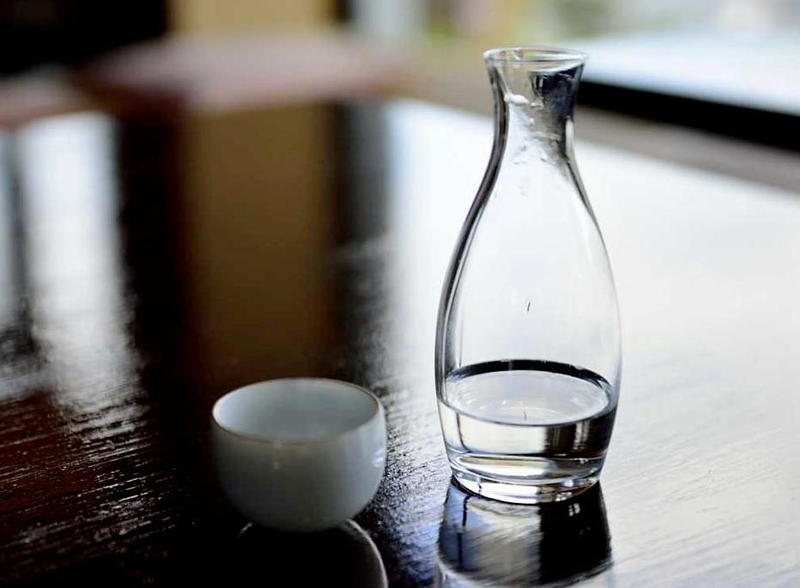
High wines are more worth drinking from a point of view of quality, first, because high wines on the market occupy half the day, without fear of lack of good wine, and secondly, because most liquor companies place greater emphasis on high alcohol, and the high-breeding process and related techniques are better developed, and their taste and quality are relatively utilisive and more in tune with the modern sense。
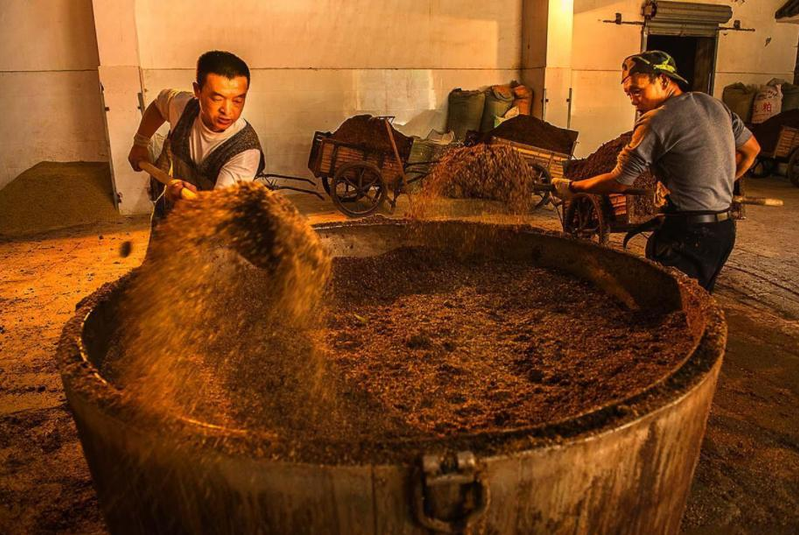
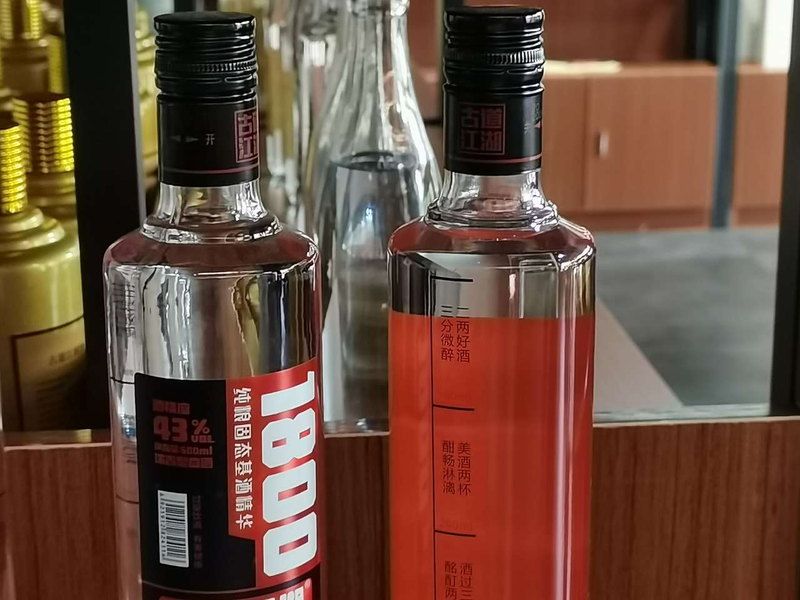
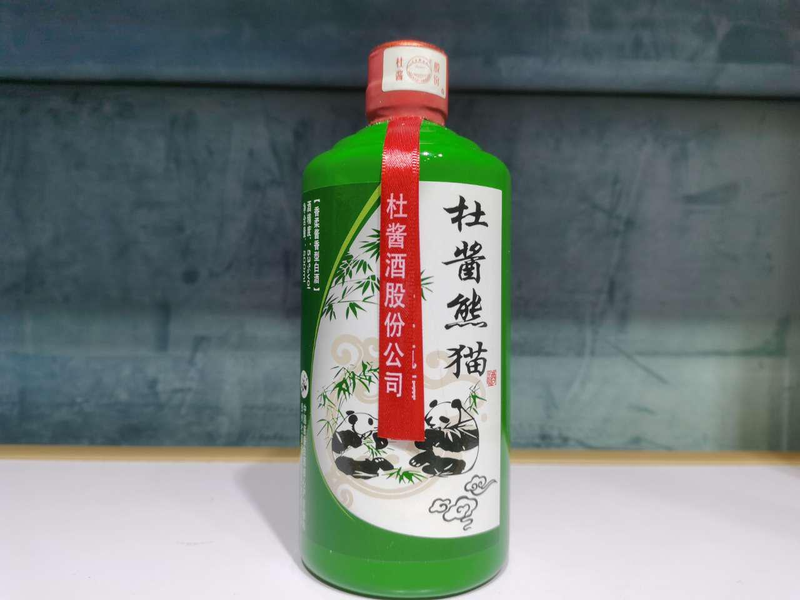
So how do you choose a good wine? It is, of course, the place of origin, process and packaging, as well as its own needs, and if it is a collection of gifts, the white wine on the market can be considered more often, and if it is a regular ration wine, it is recommended that special wine be taken into account at various locations, which is not expensive and made of pure grain. In sichuan, for example, the gudang river wine and the guacamole panda wine in guizhou are local specialty wines, made of pure grains, using local ancient techniques and modern white wine brewing techniques。
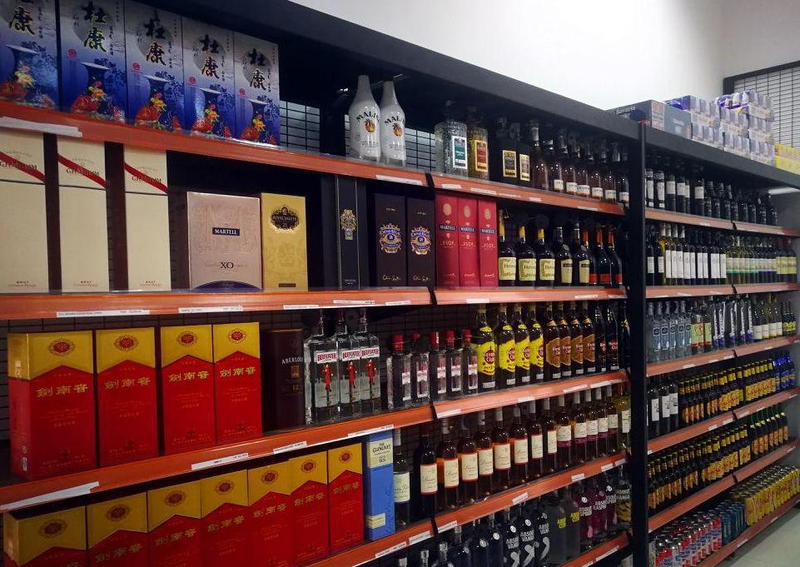
The wine is made from sichuan, which is one of the well-known sites for the production of fragrances in sichuan. It has been known since ancient times as wine, wine and wine. It has been created by the kawagi group, which specializes in the making of the wine, and its quality and taste have been recognized within the industry. It tastes like a fragrance, cosmopolitan entrances, and its tails are long。
And the panda panda is made by a tulip company in guizhou town, and the kunsa process makes a unique sense of fragrance, the cozyness of the entrance is well known, frees the pits of the soy sauce, and the rest of it is to watch the soy sauce, walk out of its own fresh and soft path, without losing the taste of the soy sauce
That's four cold-blooded knowledge of white wine, three of them proficient. What do you think about white wine