Summary of chess terms
Chess, which is known as the black and white world, is the jewel of china's four traditional masters. The importance of chess terms for chess learning and practice lies in the fact that it is a specialized expression covering the theory, rules and experience of chess and is an important part of the chess culture. In the vast world of chess, there is a unique system of terminology that is used to accurately express various chess concepts and operations. These terms not only cover the term " chess " , but also include the rules of the game and the rich experience of the match, which together constitute the treasure of the chinese chess culture. For beginners, mastering these terms is a necessary route to the chess house. Here, we will reveal to you a series of chess terms and explore their application in practice。
The terminological system of the chess includes specific terms and strategies, the understanding of which is key to the introduction of the chess. Its complexity and precision tend to confuse those who first come into contact with the movement. However, with continuous learning and practice, these terms will become more intuitive, as a wise guide to guide you in the sea of chess。
A detailed description of chess terms
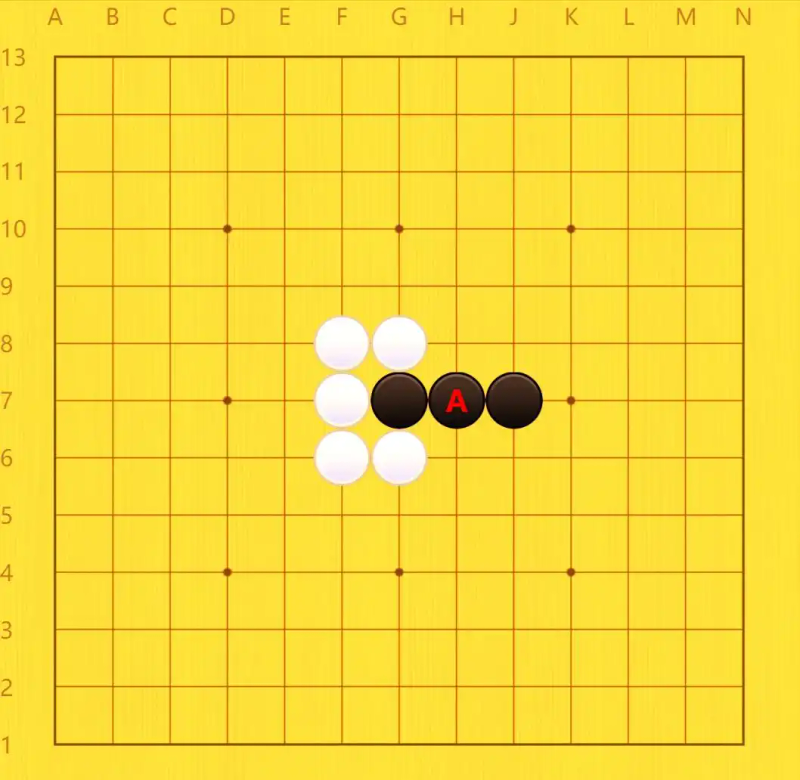
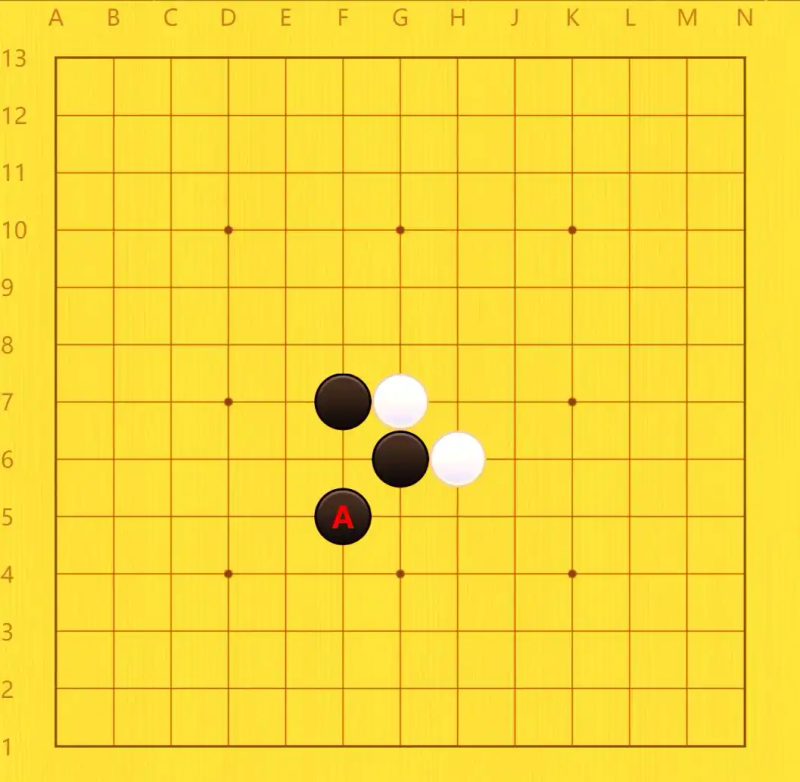
Sticky is an operation that connects threatened pieces of one's own with other pieces, with the aim of forming a whole. In a chess game, one of its own pieces, threatened by the other, is linked to one of its own pieces and forms a whole operation. When black chess falls in position a, this is called sticky。
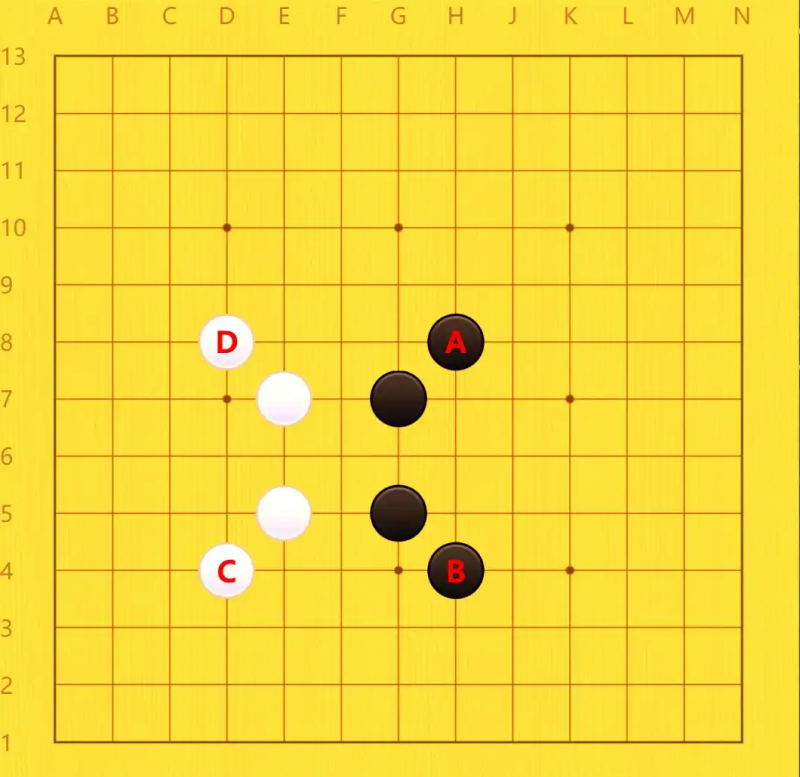
The tip is the next one in the direction of the slope, which has a strong defensive relationship and extends the chess game. Point, which is the way in chess is next to the slash of the original chess. Because of its small pace, it is also called the little point. In practice, this subjugation is both counterproductive and defensive, both in terms of securing the link between the two children and in terms of reaching out to the head and effectively controlling the course of the chess game. White chess can be called a tip, whether it falls in c or d or black chess in a or b。
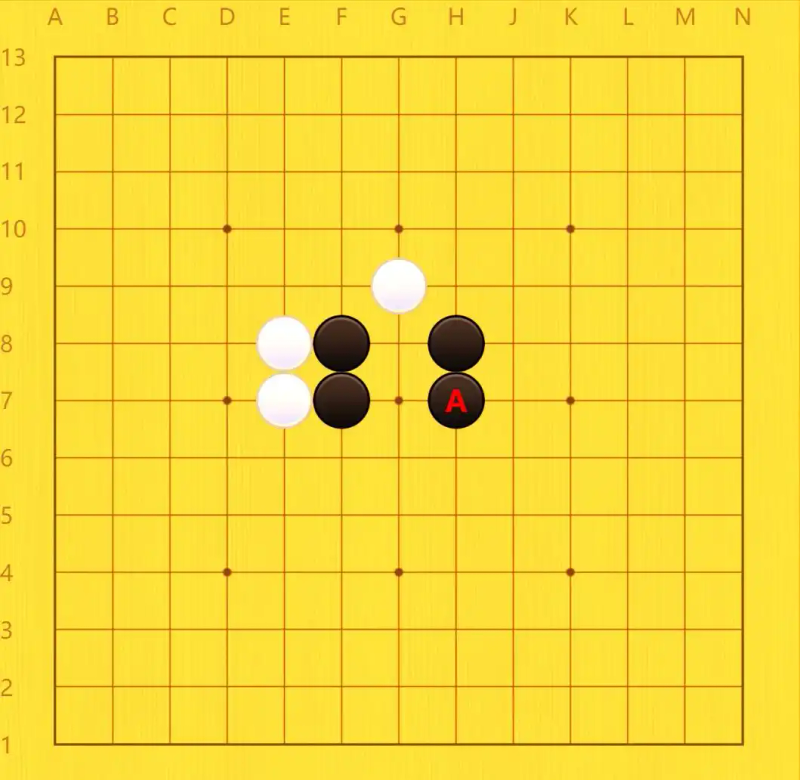
The tiger is a three-column font layout based on a “small tip”, which is useful in consolidating chess and creating opportunities. The tiger, based on the original “small-tip” piece of chess, moves to the other side, with the result that the three pieces form a “good” font layout. In chess, if black chess falls at point a, it is called a tiger. At the same time, another example of black chess, as shown in the figure, belongs to the tiger。
Peng and wataru
The plank is a four-spacing coupling method designed to stabilize and counter-attack, while wataru is a means of connecting the pieces on its side. In order to prevent the pieces from being broken up by their opponents, a common strategy is to move them into four-segregation shapes that are linked together, known as “plains”. This pattern is often used in the context of a defensive attack, aimed at securing itself and finding opportunities to counter it. In chess, if black chess falls at point a, this “two” approach is created。
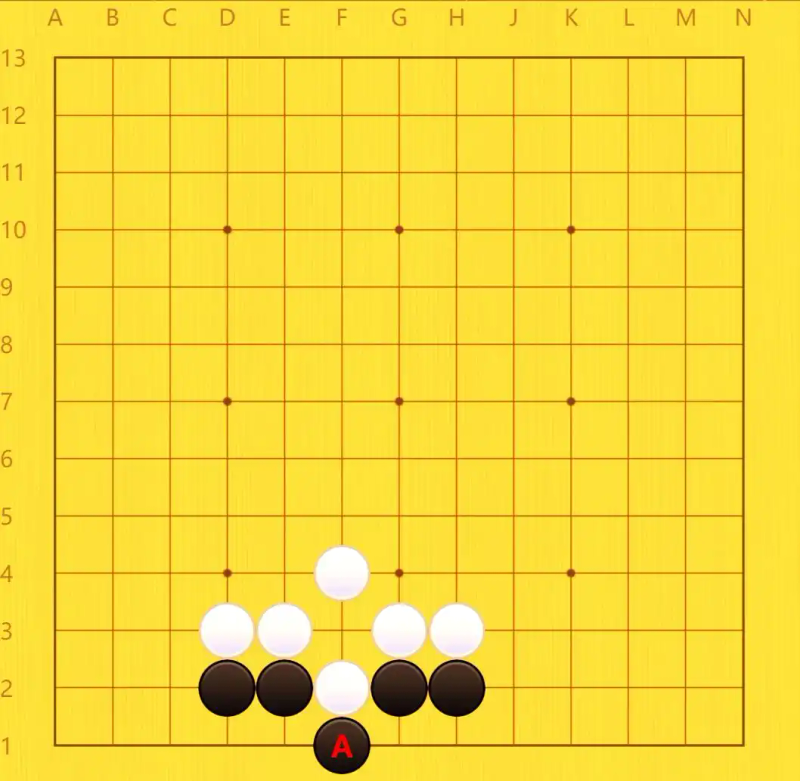
On the chess board, when black chess falls at point a, this method is called "trival". The purpose of this method is to connect their own pieces on both sides of the side of the board, which are located below the three tracks, thus ensuring that they are connected to each other。
Long and long
The long lead helps to link the pieces to prolong the gas and strengthen defence and counter-attack through high positions. Long and long are two important pieces of chess. When the chess pieces of both sides closely follow in the same direction, the chess pieces of the first party will remain at a low level. This long-standing approach helps to link their own pieces into a close whole, thereby prolonging their energy. This would not only prevent attacks by the other party effectively, but would also create conditions conducive to an opportunity to counter them. In chess, when black chess falls at point a, it is called the “long”。
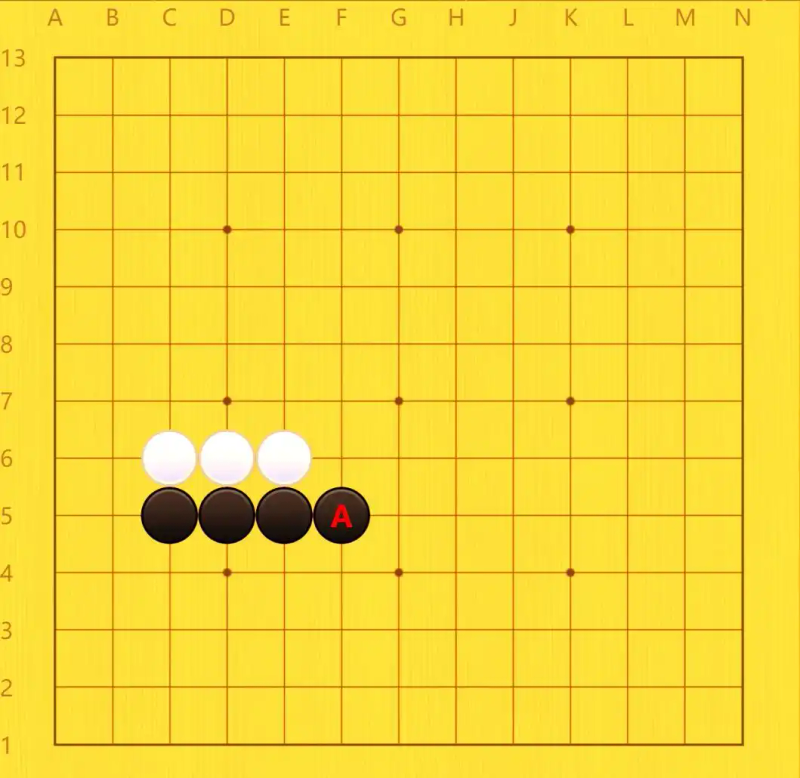
Pull, break, pull
The standing is a fall in the direction of the edge, and the break breaks off the communication and is used to block and expand. Stand, this game of chess is a strategy to keep close to one's own chess pieces and to set them straight to the side. This is more common in second- or third-line chess. When black chess falls at point a, it is called the “stand”。
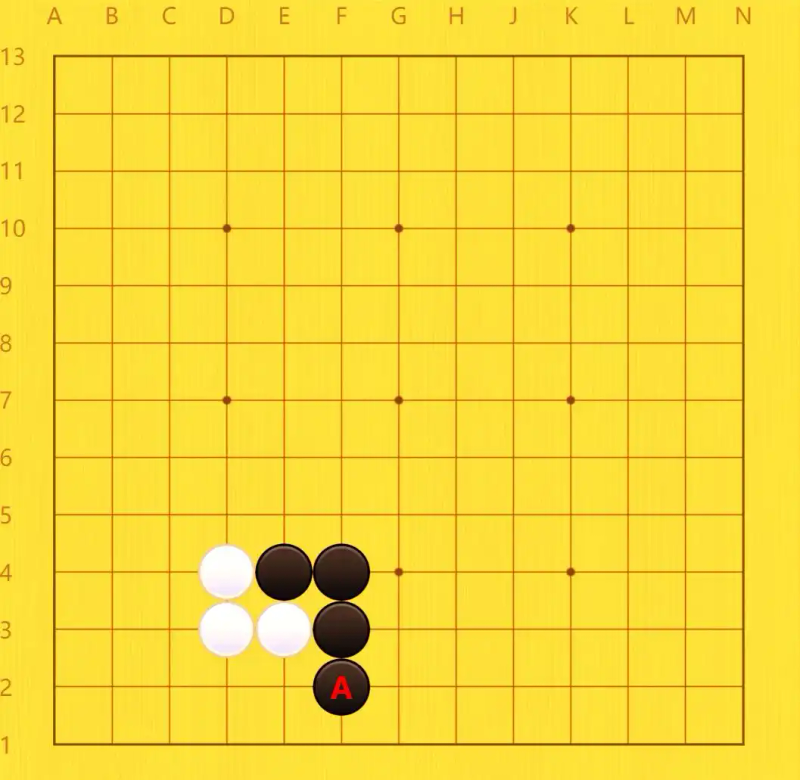
This game method, also known as breakup, refers to a strategy of cutting off each other's pieces directly. By doing so, it can effectively weaken each other's positions and make them vulnerable to attack. Among the chess machines, there is the term “off-the-shelf” which emphasizes the importance of breaking off. When black chess falls at point a, it is called "break."。
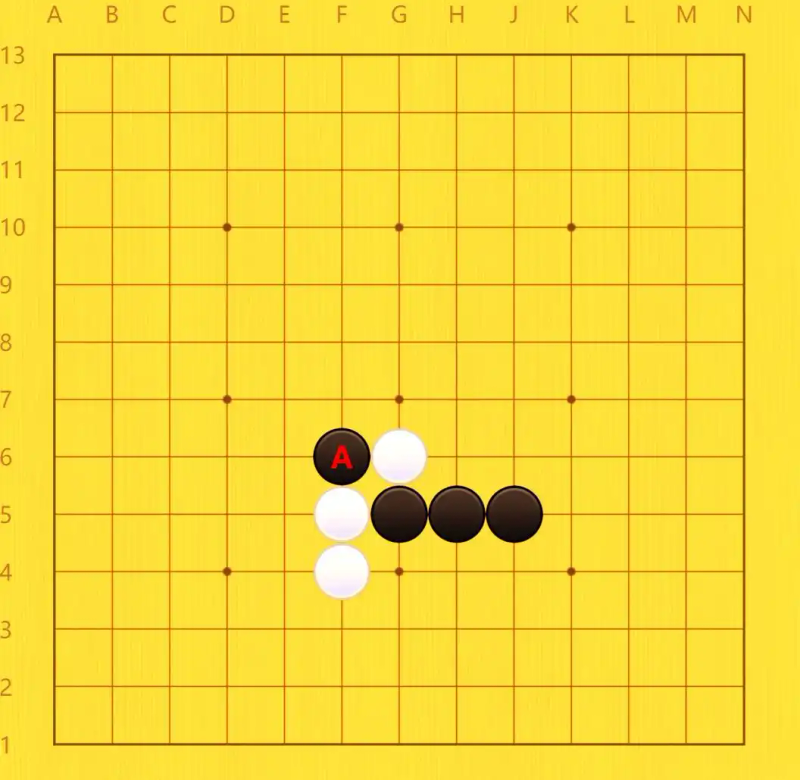
This is a game of chess, which means that when the chess pieces of both sides are adjacent to each other, one side moves in the direction of the other side to the next, with the aim of blocking the other's path. The application of the trigger is flexible and can be used both to curb the development of the other party and to occupy or divide the other side, i. E. To extend its sphere of influence restrictively. There is a saying in the chess proverb that “two heads must be pulled”, which emphasizes the key role played in the game. When black chess falls at point a, it is called the “threstle”。
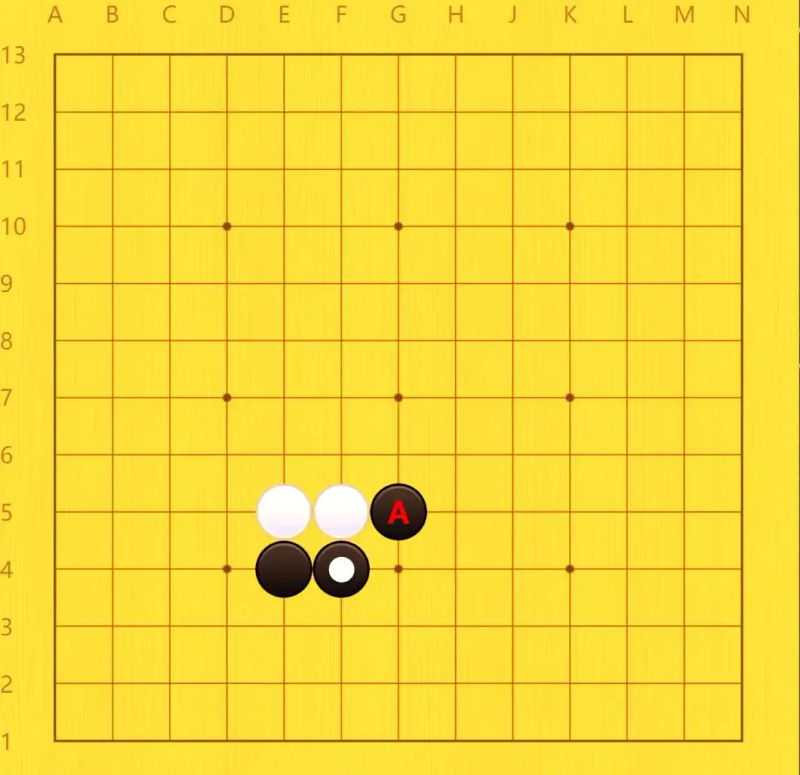
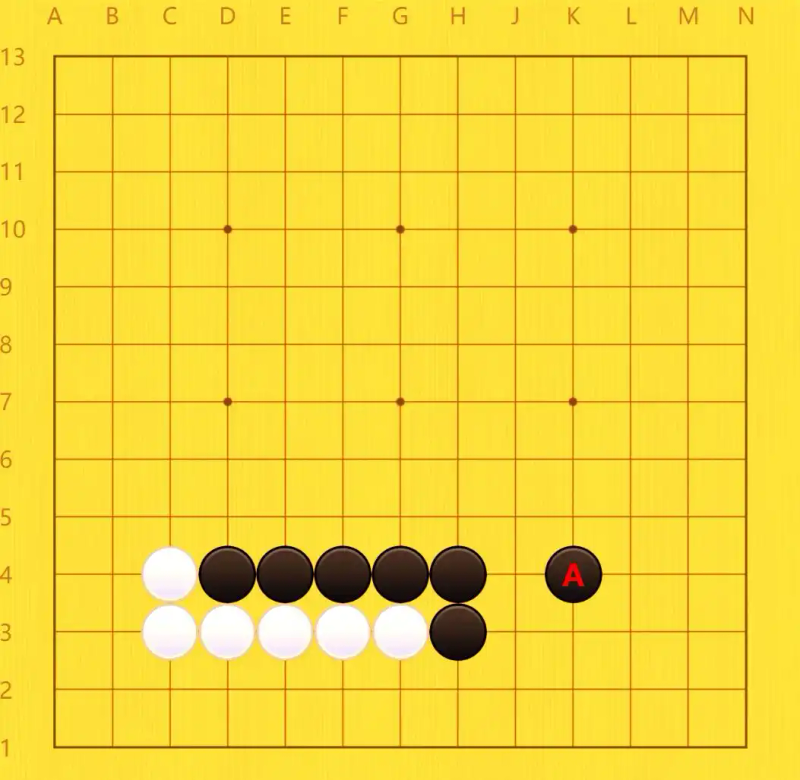
Jumps are off the same line and active fire avoids passivity. Jump, this game of chess means cutting down the course of the original chess line. This strategy aims to be proactive and to avoid being passive while helping to develop our own chess. In chess, when black chess falls at point a, it is called “jumping”。
Advanced terminology applications
Xiao fei and da fei
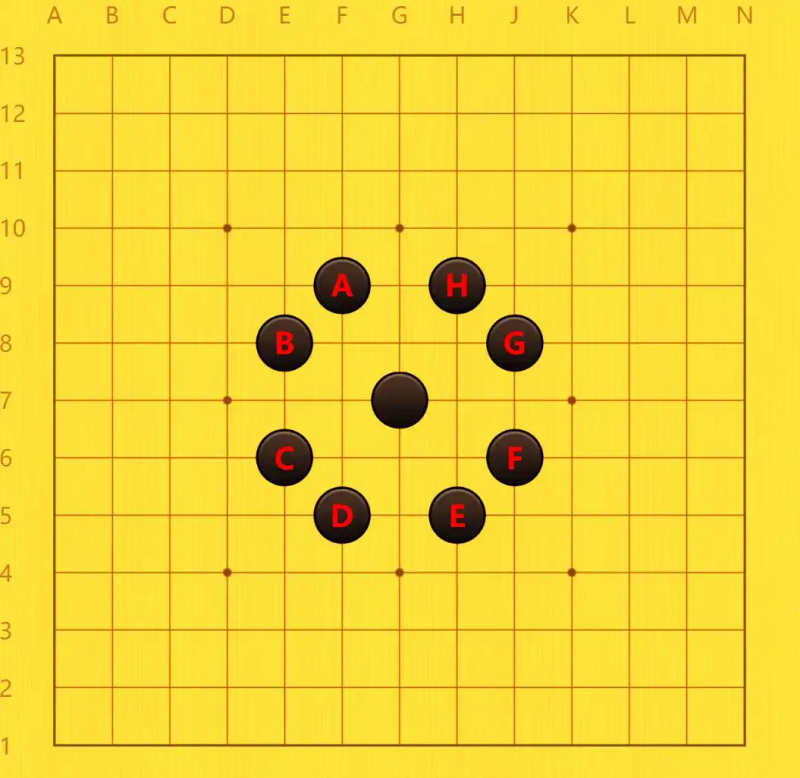
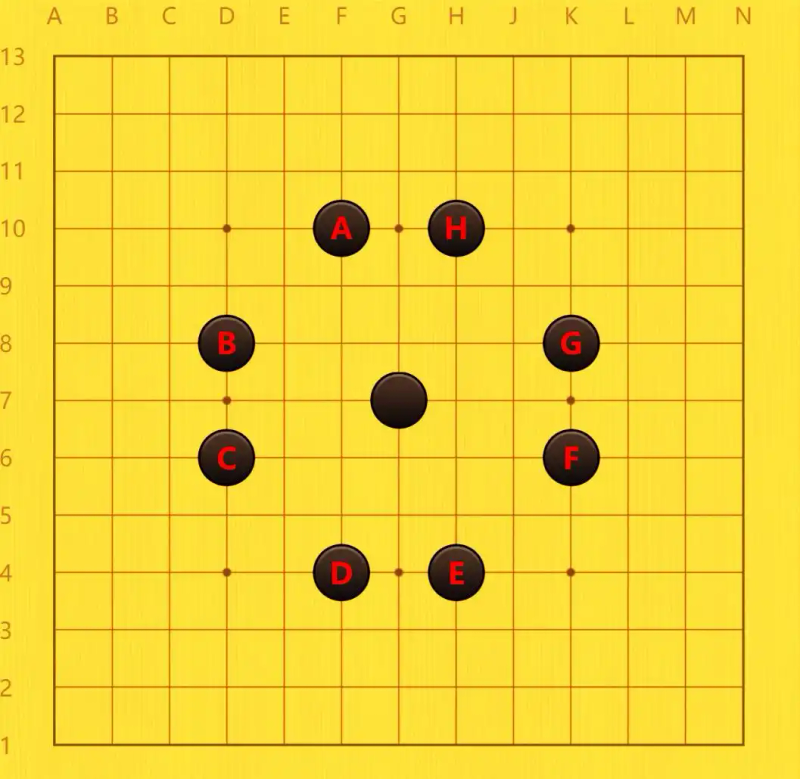
Fly and big fly are in the corner to the day and the eye, respectively, for the development of power. Fly is the next corner of the board, starting with the original piece. In the case of a diagonal in the “object” shape, it is called a big flying。
And then we look at the way big fly falls. Da-fly, which falls on the diagonal of the "eye" shape, is different from that of xiao-fly。
Hanging and dismantling
Hangs are used to disrupt the control of the corner of the other side, while dismantling expands the territory and acquires critical positions. Hang on, while the chess layout is in place, when one of the parties places a child in the corner, the other party chooses to set the child down on either the road or the second road near it. This strategy is called " hanging up." in the case of a three-line drop, it is referred to as a “low hang”; in the case of a four-line drop, it is referred to as a “high hang”。
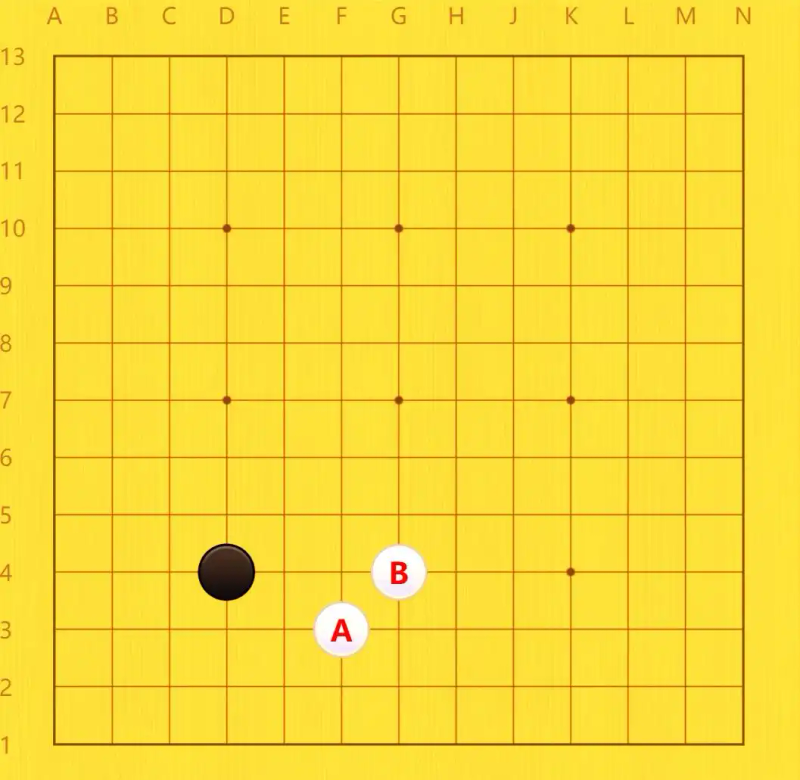
Disassembly, in a chess game, separates the one or more steps from the same line of the original chess, to the left or to the right. Disassembly can be divided into “demobilization one” and “demobilization two” depending on the number of spacing routes。
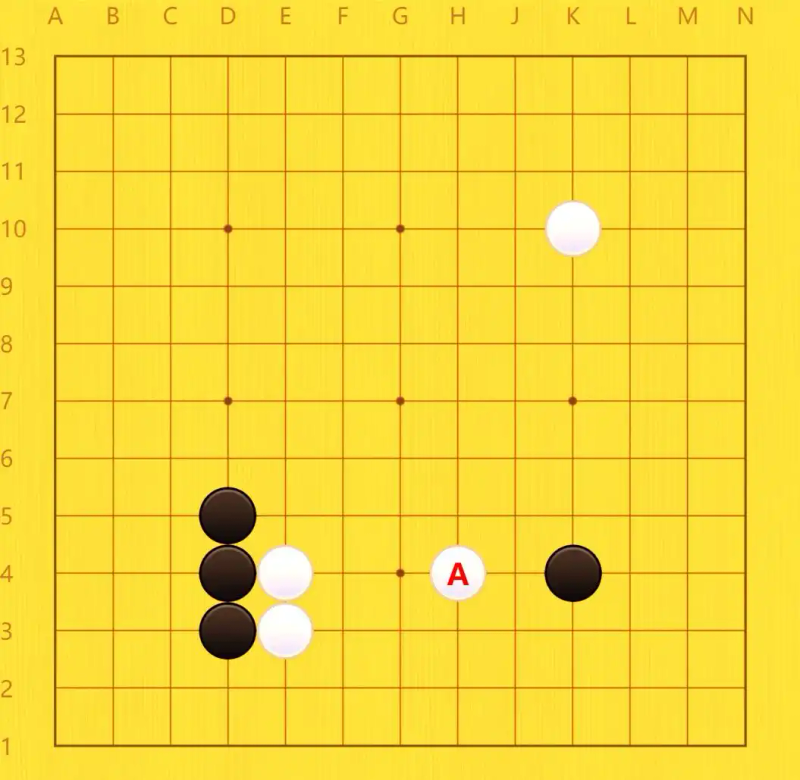
Points and seals
The dots are used to destroy each other's eyes and weaknesses, while the seals block the expansion of movement restrictions on the other. Point, in chess, refers to a strategy to target each other's flaws in the shape of a chess game or to position the target. Through the dots, they can effectively destroy each other's eyes and attack their weak links. At the same time, “enclosed” refers to an important strategy to block each other's chess pieces in a chess match, aimed at preventing their opponents from spreading their power to the outside world。
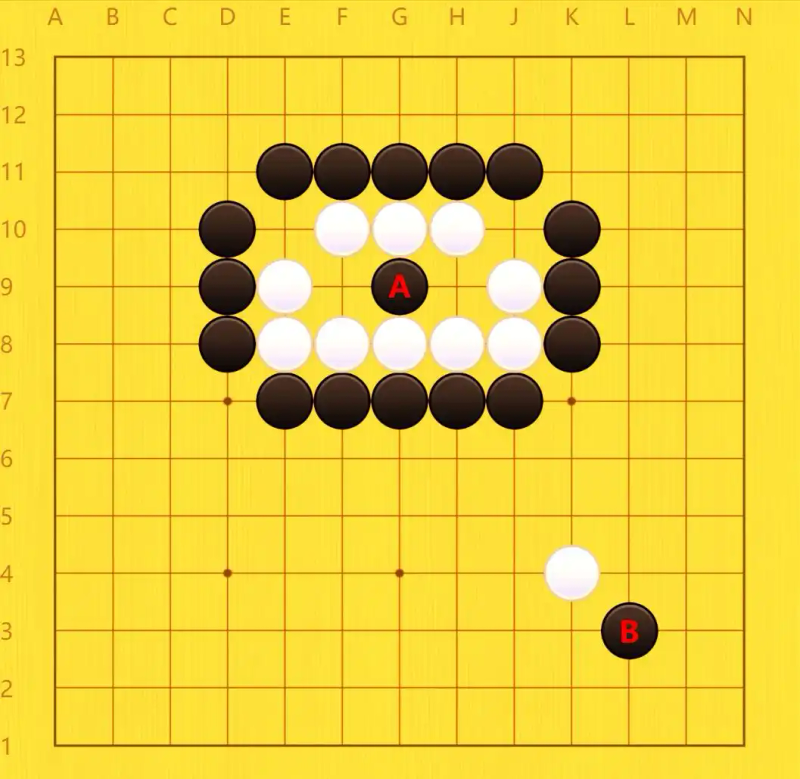
Block, squeeze, squeeze
The barrier is to prevent the intrusion directly, to squeeze out the other side's chess shape and to force it to attack the unstable chess shape. It is a direct deterrent to the playing field in order to prevent opponents from trespassing on their own territory or to prevent them from coming out。
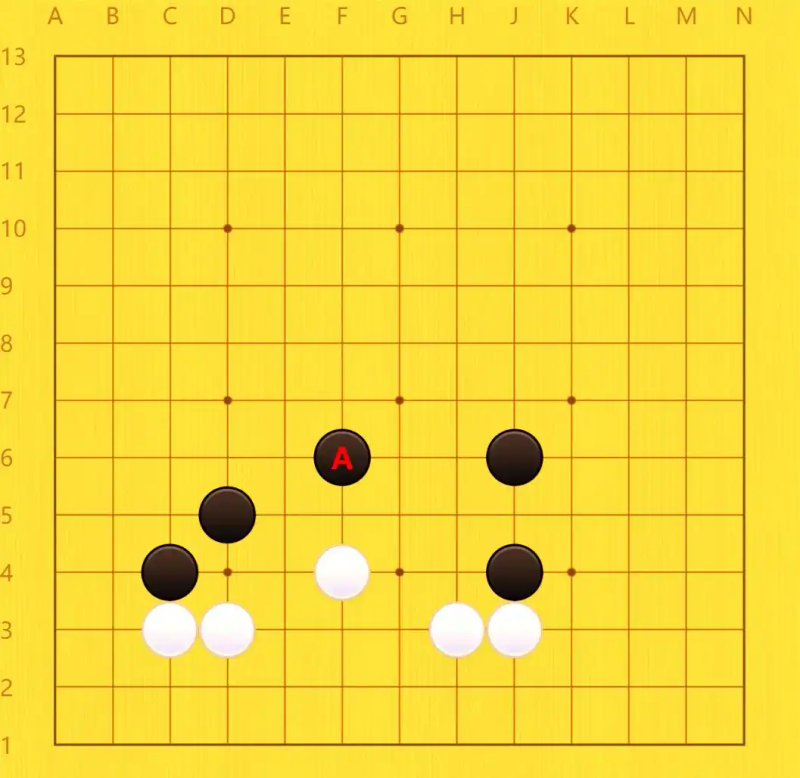
Squeeze, in a game of chess, through a tactical approach — “squeezing” — cleverly inserts a piece into the space of each other's pieces to achieve effective interference with each other's shape。
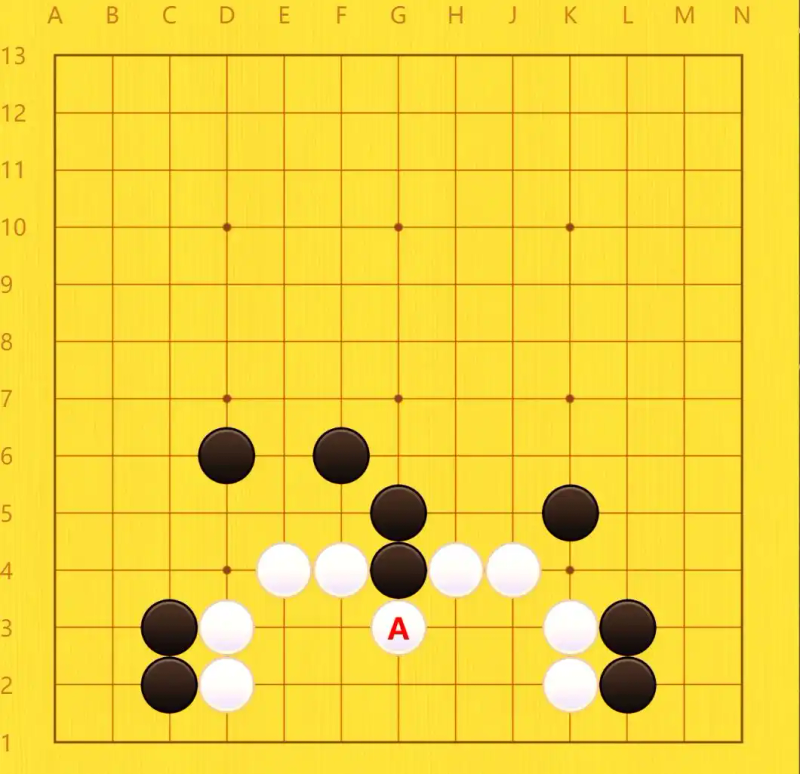
Compulsively, the use of “coercive” methods of assault in a chess match can effectively limit the expansion of the other's territory when the other's pieces are not yet secure。
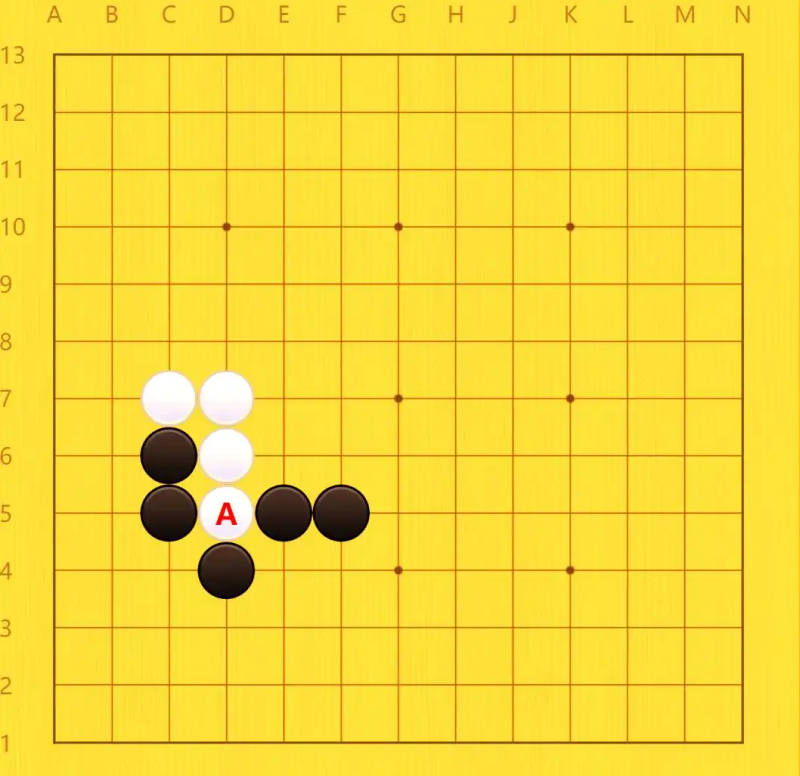
Other complex terms
These include pressure, tuning, retreat, junction, punching, bumping, bumping, climbing, patching, crossing, shackling, digging, trapping, entering, drawing, poking, hooding, etc., which have specific applications in the chess strategy. The pressure is on the upper edge of the chess pieces. To, in the corner, close to the bottom of each other's pieces. Back and off refer to strategies to adjust the shape of chess in specific circumstances。
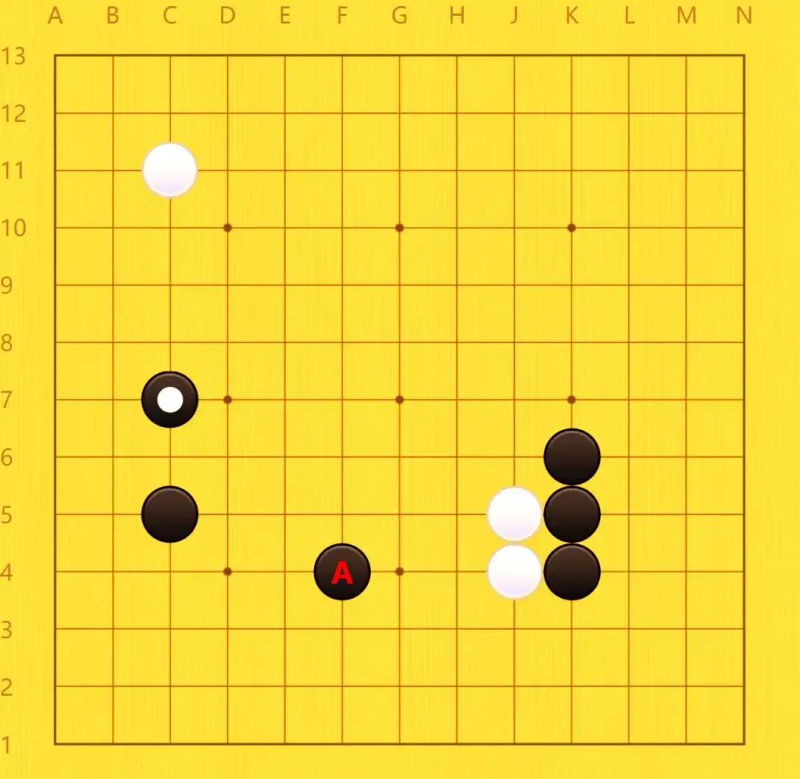
Charge is the cross point in the "close" shape of the other side, closely attached to its own chess. Pump, it's on each other's chess boards. The tops and stickers have different strategies and effects, while the turn is a strategy to change the direction of chess and to block the other。
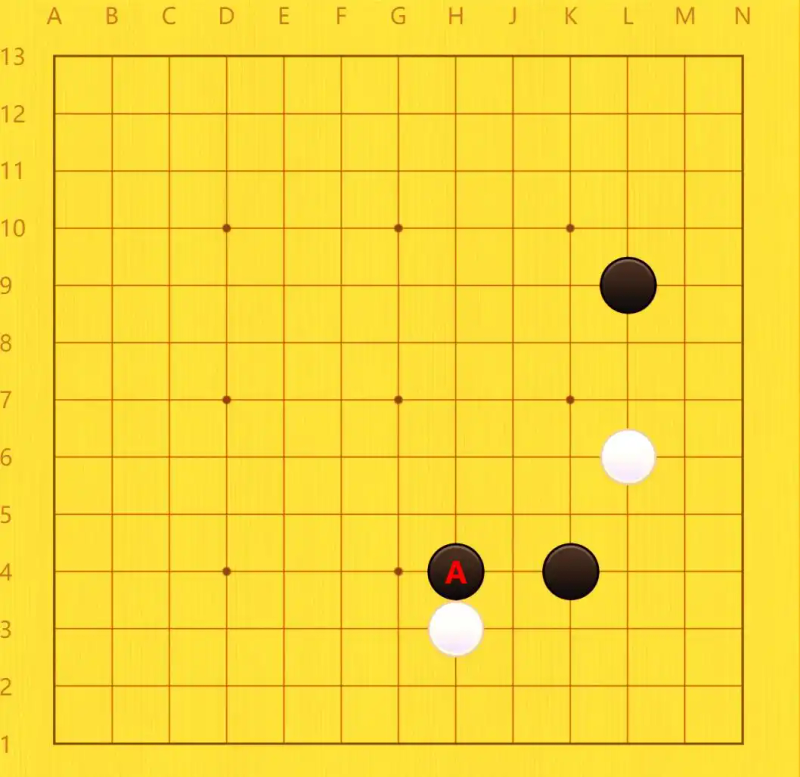
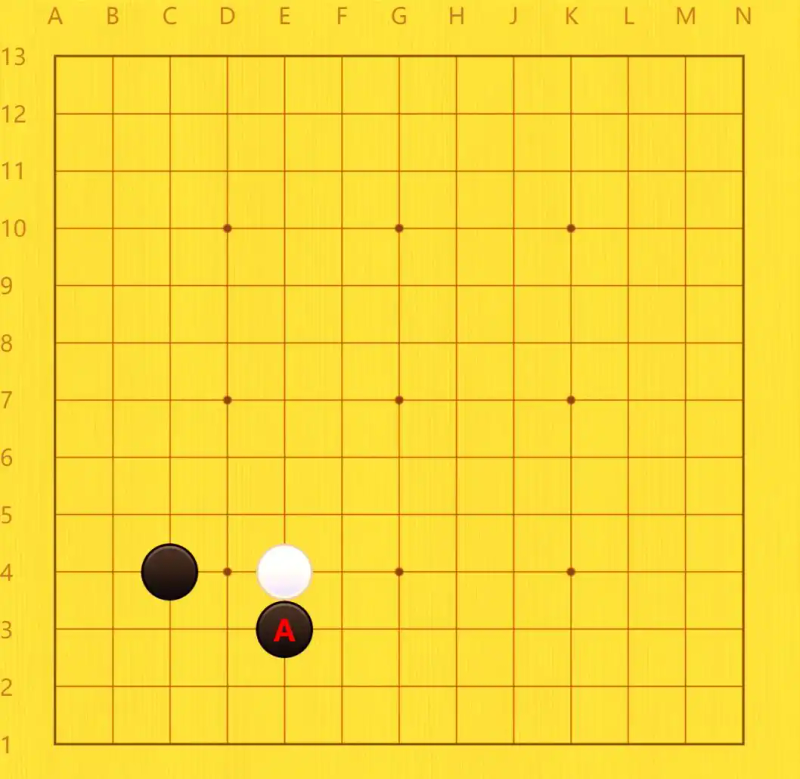
Crawling, when oppressed by the other side, is a flexible strategy. Complementing this is a defensive strategy that strengthens its own shape, while crosses, shackles, digs, traps, pens, attracts, pounces, etc. Are all tactical terms used in a given situation。
Recommendations for learning chess terms
Deep understanding and distinction
The terminologies are numerous and complex, and it is suggested that repeated learning and practical fine differences be felt in the game. You need to be aware of the use of chess terms: when it appears that a move can be described in more than one way, we should choose the exactest one. Some chess terms are not clearly defined and even professional chess players may have different names for the same chess moves. However, this confusion is a normal phenomenon in the learning process, and as long as our description is realistic, the learning and application of chess terms will gradually become fluid and natural。