Apart from gasoline, the main concern of the owners is engine oil. But for ordinary car owners, it is often confused when choosing to use engine oil — what oil is suitable for my car? Is there any better oil that can boost my engine power and reduce the noise? How many miles is it? Could it be extended? We will answer all these questions in the new hands in the oil selection series。
Two important parameters for oil
In selecting engine oil, our main concern is two parameters — the “sae viscosity level” and the “api mass level”. These two parameters are clearly marked on the tank. Let us now go into more detail about these two parameters。
Sae viscosity level
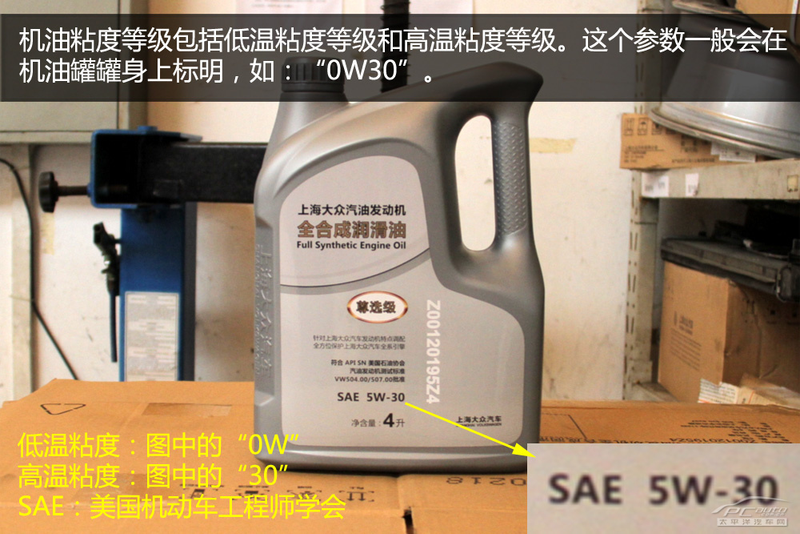
Common oils on the market have been graded for their viscosity using sae (american society of motor engineers). Corresponding oil viscosity values such as "0w30" are printed on the tanks. "0" before "w" in "0w30" indicates a low temperature viscosity grade of 0 for oil and a high temperature viscosity grade of 30 for oil after "w"。
Whether oil is applied in winter or not should not be based solely on low-temperature viscosity
Sae sets out the range of surface viscosity values for 0w, 5w, 10w, 15w, 20w oils under -35°c, -30°c, -15°c, -10°c and -5°c, respectively. The smaller the figure before “w”, the better the cooler the flow of this oil. Speaking of which, some car owners would ask, does it have to be 5w or 0w oil when winter temperatures are below -30°c? That's not true。
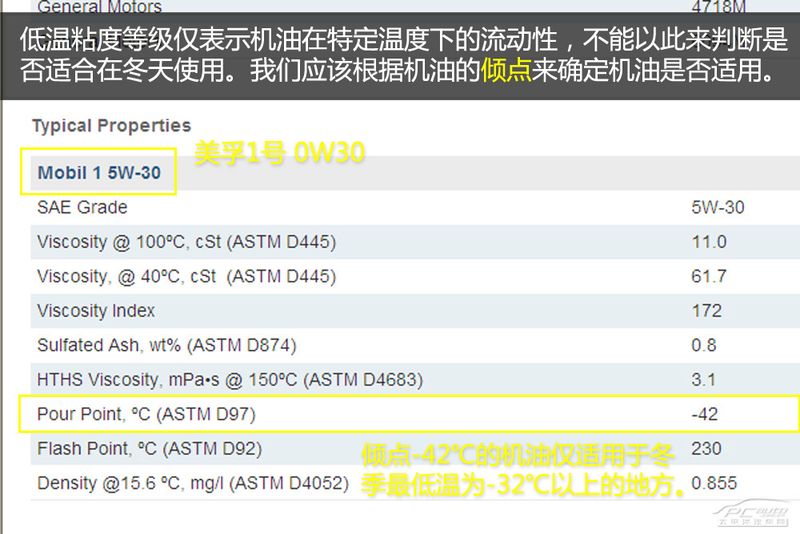
The cryogenic viscosity level simply indicates that the oil is liquid at a given temperature and is not directly related to the temperature of the vehicle environment. To determine whether oil is liquid enough at a given ambient temperature, we should focus on another important parameter for oil, which is the tipping point (in centigrade). The tipping point is the minimum temperature at which the oil is expressed to move in a low temperature environment. We suggest that owners of vehicles in the north choose oils at a tipping point about 10°c below the minimum winter temperature。
How do we check the drop-point parameters
The dumping point data for oil products are available on the network of oil producers. Queries on the official network of mifu, kasato, shell and quinlon lubricating oils, with the exception of the shell network, the network of other brands provides corresponding data on the dumping points of oil products。
Mifu one:
Katsido ginka:
Http://www. Castrol. Com/castdetail. Do? Categoryid=9040507&co{\chffffff}{\ch00ff00}
Sm:
Http://www. Kunlunlube. Com. Cn/rhy/pro/jiaoche/jiaoche 01 01. Htm
High temperature viscosity of oil should be determined by engine structure parameters
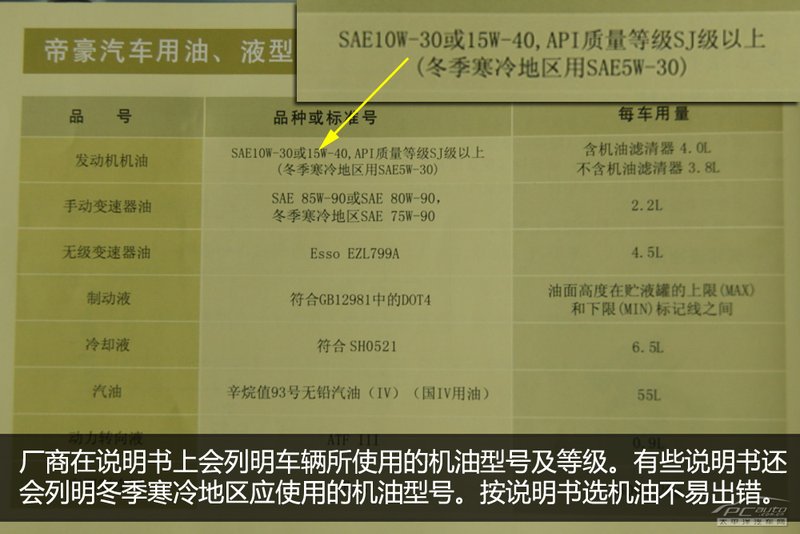
The high temperature viscosity level is based on the 100°c dynamic viscosity value of the oil. It expresses the viscosity of the oil below the engine heating condition (usually around 100°c). The higher the level of high temperature viscosity, the greater the viscosity of the engine heater when working. The selection of parameters for high-temperature viscosity of oil should be based on engine structure. It is not possible for the owner of the car to know more about the engine structure of the vehicle than the manufacturer, so we should select the parameters of high-temperature viscosity based on the maintenance data indicated by the manufacturer in the instructions。
100°c dynamic viscosity determines whether the oil is low-noise or high-turn speed protected
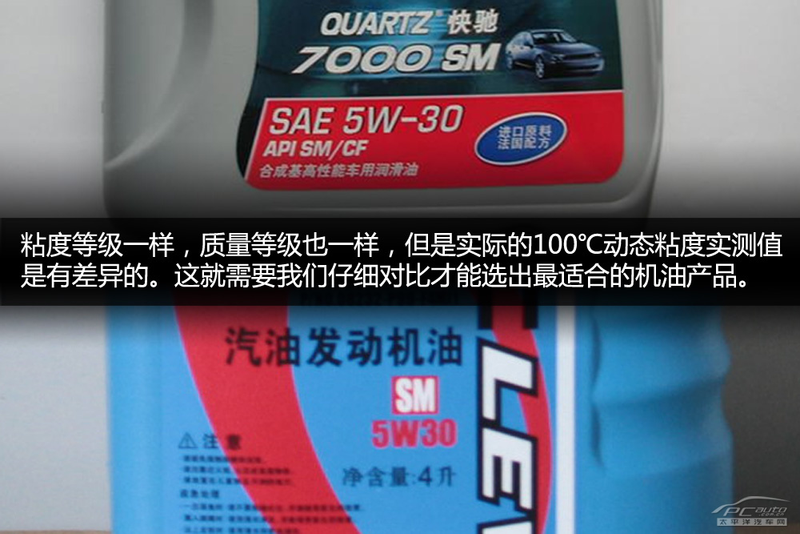
The actual 100 °c dynamic viscosity measurements for products of different brands with the same high temperature viscosity level vary, with lower 100 °c dynamic viscos reducing fuel consumption and engine noise; higher 100 °c dynamic viscosity provides better protection for motors when operating at hypervelocity. According to the editor, depending on the actual usage of your car, if you use the car in the city and drive it softly, it is recommended to use a 100 °c oil product with low dynamic viscosity; if you like to accelerate with others occasionally, it is recommended to use a 100 °c oil product with high dynamic viscosity. What about the dynamic viscosity of oil products? As with dumping point data, it is available on the network of oil producers。
Edit recommendations
For users in the south, low-temperature viscosity selection increases the start-up performance while allowing oil temperature to rise faster and achieve the appropriate working temperature and viscosity. For northern users, low-temperature viscosity should select motor oil with appropriate tip point parameters based on local minimum winter temperatures。
As for high-temperature viscosity parameters, if you're a troublemaker, you can just choose to purchase engine oil on the basis of maintenance data from the instructions. If you're a progressive user, you need to focus on the 100°c dynamic viscosity data published by the manufacturer. By comparing 100°c dynamic viscosity data for the same viscosity grade oils, we can identify motor oils that reduce fuel consumption and noise (with relatively low dynamic viscosity) and better motor protection (with relatively high dynamic viscosity) under high-speed load conditions。
Case parsing
Product name
Sticky
Tilt
100°c dynamic viscosity
Sato ginka-san
5w30
- thirty-nine
10. 7
Mifu one
5w30
- forty-two
11. 3
Two-hundred-two
5w30
- forty
10. 7
How do we choose between different cars? This is a table of parameters for three oil products. If we are in a region with a minimum winter temperature of -35°c, then we should choose the 5w30 uf1 tipping point of -42°c. In the case of the owners of cars in the south, there is no need to pay too much attention to dumping point data for oil, so the choice should be to use 100°c, with a lesser dynamic viscosity, or the m. F. B. 2000 (all 100°c dynamic viscosity is 10. 7). This reduces engine fuel consumption and noise。