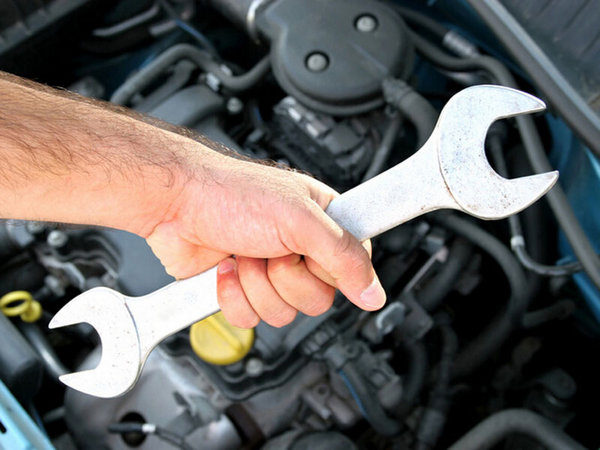
The most critical link in car maintenance is, of course, engine care, and the most important way to maintain the engine is, of course, to give it the most efficient lubrication, and the proper use of oil can increase the engine's life, save fuel or be counterproductive. It would be preferable for the owner of the vehicle to develop a weekly inspection of the engine oil and to bring the remaining oil to the vehicle for replacement and maintenance。
At present, there are hundreds of oil products in various brands that are sold on the market, such as esso, mobil 1, shell, dodar, and so forth, as well as domestic brands, the great wall, kunlun and compton. Prices range from a few dozen to several hundred dollars or even 1,000 dollars per barrel, with a wide variety of levels and viscosity markings, making it more difficult for the owner to choose the oil. A random investigation by journalists found that, while the importance of oil was well known, most of the owners were still in the “air-blind” phase。
Oil, as a lubricant for engines, not only acts as lubricating, wear-resistant but also as cooling, cleaning, rust-proofing, corrosive, oxidizing etc. The good or bad quality of lubricant has a very important impact on the proper functioning of the engine. Good oil, especially fully synthesized oil, saves petrol costs in addition to protecting engines and reducing the number of oil exchanges. Although the price is twice as high as the usual oil, it is the best option for many drivers. In the case of inappropriate choices or cheap purchases of low-quality products at a one-time price, this can lead to early wear and tearing of engines, lower life expectancy of engines, and, in serious cases, bad accidents, such as “trays, hugs”。
How to choose oil
According to experts from qingdao crown pic, the owner of the car must know the temperature environment in which the vehicle is used when selecting the oil, then purchase the oil as required by the grade and viscosity requirements of the vehicle's description, carefully examine the grade and viscosity marks on the overpack of the oil and select the oil that meets the minimum level and above. In the sichuan region, for example, oils that meet the multi-grade viscosity standard sae15w-40 are selected for normal four seasons a year. The chongqing area is hotter in the summer, and it is better to choose the oil with a viscosity of 50。
The thousands of kilometres of new vehicles are known as grinding seasons, at which point small bumps on the parts will be worn out, so that the co-operation of the various parts of the movement will be closer and smoother. The choice of engine oil is even more important in this period. Oils of a viscosity level of 15 w/40 or 40 are generally selected for grinding during the grinding period. Since the new vehicle or engine has been overhauled, the parts have been mixed or overstretched and need to be modulated during the grinding period, such as the selection of more viscous oil, which is not easily formed on the surface of the interface to create dry frictions of lubricated oils, causing excessive wear and even mechanical failure, such as burning tiles and bearing axes. Less visceral oils can achieve better cleaning and cooling as a result of better mobility. In the case of vehicles used in urban areas, it is recommended to reduce the mileage of oil switching because of frequent traffic congestion, which is considered to be a wear and tear drive。
Change the oil. Don't forget to pack
A certain number of kilometres per trip of vehicles are to be routinely maintained, oil replacement and trifiltration. However, every oil exchange is in one barrel, usually with a slight surplus. Don't forget to pack up the rest of the oil. So, when a month or two after it was discovered that the fluids had to be replenished, the owner could also use a few times to maintain the oil accumulated before the oil exchange, to make the oil exchange more complete
Don't mix the oil
Sometimes car-love oils are found to be insufficient and need to be added, it is important to be careful not to add different brands or models. Exxonmobil's expert argued that the additives used in different brands of oil would be different and that mixing could lead to deterioration。
Small knowledge of oil
The correct selection of lubricant is based on an understanding of the grade classification criteria
Sae (american association of automotive engineers) uses viscosity classification. The owner of the car can choose the engine oil by comparing himself with the ambient temperature of the car. For example, for sae15w-40, 10w-40, 5w-50, the smaller the figure before w indicates the lower the temperature viscosity, the better the protection capacity at the start of the engine; the figure after w is an indicator of the high temperature resistance of the engine。
The api (american petroleum association) uses the oil quality rating criteria, which divides lubricants into two categories: petrol (s) and diesel (c). The oil lubricants are shown as s, followed closely by an english letter (e. G. Se, sf, sh, sj, sl, sm), and the higher the quality of the lubricants as the letters are sorted. Currently, the highest level of sm grade is considered top grade oil。
We're in the wrong spot
1. Some owners mistakenly believe that a brand of oil is the exclusive oil of a brand of cars when they choose to use it. As long as the level and viscosity requirements meet your car-friendly usage requirements, they can be purchased。
2. Use additives at will. The oil is itself a combination of base oil and additives, so the owner does not need to add any additional additives as long as the oil is of high quality。
The oil is not as expensive as it is. The selection of engine oils should be based on the requirements of the engine, with neither the use of too high-grade oils on lower-demand engines nor the use of lower-grade oils on higher-demand engines。
Four, not more. The amount of oil is too low, which causes the unit to burn down and accelerate the deterioration. However, high oil surfaces can drive into the combustion chamber from the gap of the pistons of the cylinders, increasing the amount of carbon in the combustion chamber。