While the demand for renovations is rising during the spring season of korea’s moving homes, the rise in international oil prices has led to a surge in prices for plastic-containing products in construction materials and paints。
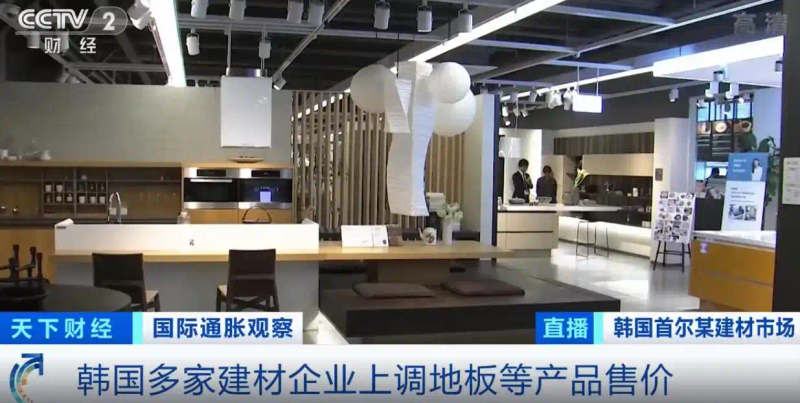
Zhang mei, a correspondent for the financial channel, has recently raised the prices of some of the products by korean construction and decoration companies, with three well-known enterprises offering five to 10 per cent successively on plastic floors. One of the enterprises also raised the average price of products such as waterproof wallpaper, bathroom lockers and so on from the main product window next month。
The increase in the price of building materials has been anticipated by industry. Over the past year, the prices of pvc, a major raw material such as windows and floors, have increased by 60 per cent over the same year, and the price of international oil has continued to rise since the russian-uu conflict this year. Not only is pvc, many of the high-molecular materials used in korean renovations are oil-based and therefore costs are heavily affected by changes in oil prices。
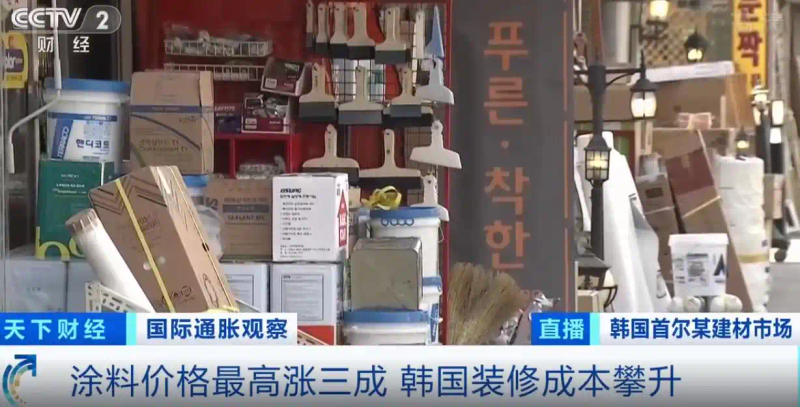
As a result of unaffordable cost pressures, several high-molecular paint companies in korea have also recently increased their prices collectively, including multiple products such as paints, water paints and so forth, by up to 30 per cent. Consumers are required to spend about rmb 21 more on a barrel of four litres of lactative paint. Refurbishment workers have been asked to be more expensive in the case of the epidemic, and the price of the main and support materials is now higher for consumers。
South korean small and medium-sized enterprises producing plastic construction materials also indicated that they were mostly labour-intensive, that labour and water and electricity costs were inherently expenses, and that the sharp increase in the price of raw materials had significantly reduced the profit margin. Against the backdrop of the current generally high global commodity prices, small and medium-sized manufacturing enterprises that are raw for timber and non-ferrous metals face the same dilemma. The korean ministry of small and medium-range ventures yesterday indicated that it would introduce a raw materials buy-out model that would allow enterprises to buy together to save costs. Experts also recommended that the republic of korea develop additional countermeasures to combat accumulation and lower import tariffs on raw materials。