In chengdu, a large merchant, sheep chops, lamb leg meat, 36 pounds, sheep and sheep meat, 50 pounds, sheep and lamb soup, the price of lamb and lamb is as high as 98 pounds, and the price of fish and lamb powder menus for the observant shrimp has generally increased ... The merchants have explained that “the price of lamb has increased and the suppliers say that the supply of meat is not needed in the winter season”
The price of lamb has risen by eight weeks. According to the ministry of agriculture and rural development, which monitors 500 market markets throughout the country, in the second week of december 2020, the national price of lamb was $82. 66 per kilogram, an increase of 3. 6 per cent over the previous eight weeks。
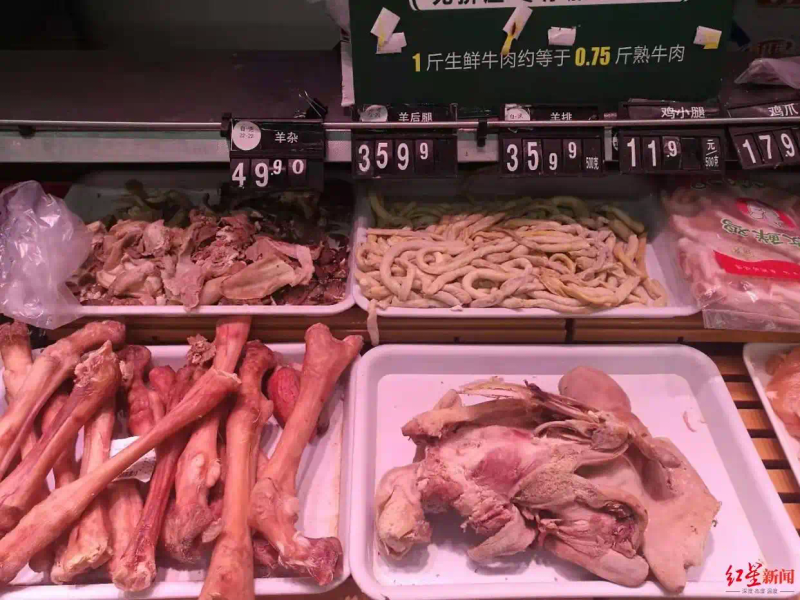
The price of lamb in chengdu
Why did the lamb rise into a "sheep princess"
The red star capital bureau survey found, on the one hand, rising demand. The consumption of lamb increased by 3. 9 per cent in 2019 and is projected to increase by 1. 2 per cent in 2020. On the other hand, the increase in the price of lamb is also related to supply constraints。
To the red star capital bureau, the president of the sheep branch of the chinese livestock association, du lixin, stated that winter was a season of traditional consumption of lamb, with some price fluctuations before winter. In the last three to five years, our sheep industry has entered a fast-growing path, with a regional focus on the development of the sheep industry, the growth of demand for sheep as a result of the construction of new sheep farms and the advancement of poverty alleviation efforts, which has increased supply and demand constraints in the domestic sheep market and, together with the slowdown in the heat of imports of lamb this year caused by the epidemic, have contributed to rising prices in the markets for live sheep and lamb。
In the middle of the farm business, there's plenty of sheep. The sheep are still in the sheep's den
The supply is tight. Where are the sheep? The answer is, the sheep are still in the sheep's collar。
To the red star capital bureau, the president of the sheep branch of the chinese livestock association, du lixin, stated that winter was a season of traditional consumption of lamb, with some price fluctuations before winter. In the last three to five years, our sheep industry has entered a fast-growing path, with regional emphasis on the development of the sheep industry, and the growth of new sheep farms and poverty alleviation efforts has led to a strong demand for sheep, which has increased the supply and demand constraints in domestic sheep markets。
He noted that domestic sheep stocks had been growing. The number of new domestic farm enterprises with new inputs is increasing, but most of them are at a stage of expansion and pre-development, and production capacity has not yet been released to the market for end-use meat。
It was explained that in the past, the size of sheep farming in our country was at a mapping stage, with monoculture being concentrated in small and medium sizes. In recent years, the sheep industry has been receiving attention from a number of enterprises and capital, and there has been a steady increase in the number of small and medium scale farming enterprises. After 2015, sheep-scaled breeding of sheep-based species of sheep and sheep has gradually developed, with businesses with single-body banks of more than 100,000。
“the scale farming model of 10,000 lake sheep is now relatively mature, ranging from the traditional north-west sheep farming area to the interior mongolia to the southern provinces. However, the proportion of large-scale sheep farms in overall sheep production is relatively low.” according to dooley, “of the core members of the sheep branch, only dozens of businesses of 10,000 sizes are available. Moreover, these enterprises tend to grow sheep, with a lower share of industry-wide chains.”
He anticipated that “it would take two to three years before these new production capacities could bring about a significant improvement in the domestic supply of lamb”
Anhin, a wholly owned subsidiary of dakan agriculture (00205), is a sheep farming enterprise of 10,000 sizes. According to the authorities in charge of the anjin pastoral industry, “the size of 200,000 meat and goats is already within the country. Monoculture, which reaches 60,000, is at the forefront of the country.”
“this year has been affected by the large-scale collection of sheep by businesses, which have been growing a lot of livestock, leading to higher prices for sheep.” since 2019, tens of thousands of sheep from the anhin herding industry have not been sold out of the country each year, all of which have been used for the company's home-grown activities to expand rapidly。
In his view, the sheep industry was opening up opportunities for development。
In accordance with the five-year strategic plan for the anhing pastoral industry, 3 million meat and sheep farms were established in 2025, including 2 million sheep farmed and slaughtered in the north, and investment agreements have been signed with local municipal and district governments; the sizes of xinjiang and guangxi are 800,000 and 200,000, respectively。
“however, the recent influx of capital into the sheep industry, coupled with the country's policy bias, is at a windfall in agriculture, and we plan to expand the territory to 2. 8 million, to a total of 5 million.”
2. 1 per cent versus 1. 9 per cent of domestic lamb production cannot meet the rising market demand
Because of its high protein content and low fat and cholesterol content, meat consumption has increased and escalated as population growth and consumption structures have changed. The annual consumption of lamb per capita has gradually increased, from 3. 37 kg in 2015 to 3. 63 kg in 2018。
Zhu qian, chief analyst of the agricultural market analysis early warning team of the ministry of agriculture and rural development, previously indicated that per capita consumption of lamb in 2019 was 3. 77kg. The total consumption of lamb was 5. 27 million tons, an increase of 3. 9 per cent over the previous year. The consumption of chinese lamb is projected to reach 5. 34 million tons in 2020, an increase of 1. 2 per cent over the same period. He also projected an average annual growth rate of 2. 1 per cent in meat consumption over the next decade。
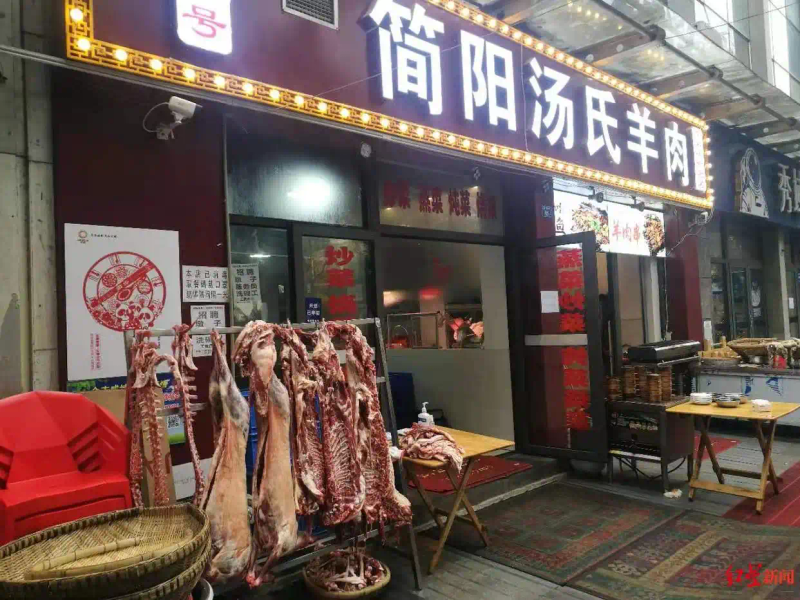
It's winter. The lamb soup shop is full of lamb
However, in the face of rising demand for lamb markets, domestic meat production has increased at a slower rate than consumption。
The bureau of red star capital learned that the sheep industry experienced a three-year decline in prices, cumulatively by 20 per cent, and that the farmers suffered a significant loss from 2014-2016. Coupled with environmental factors, many farmers have withdrawn, leading to a sharp decline in the stock of live sheep. Low reproduction rates (one female produces only three lambs per year), longer farming cycles (6-7 months of lambs to grow into commodities), and rising labour costs for feed, among other factors, have led to slow recovery of sheep production。
In mongolia and xinjiang, especially in the main areas where meat and sheep are produced, policy factors such as grazing, bans and livestock reduction and agricultural restructuring have increased the costs of meat and sheep farming. In particular, the feed cost of meat and goats grown by whole-shelf farming is over 80 per cent of the total cost of farming. The price of feed is a little windy, which makes it difficult to sustain the small family。
According to chu, chinese meat production in 2019 was 4. 88 million tons, an increase of 2. 7 per cent compared to the previous year, ending a steady decline in growth over the previous two years. Taking into account such factors as improved varieties and higher levels of production, as well as industrial poverty alleviation and the late generation of productive energy from food rehabilitation pilots, an average annual growth rate of 1. 9 per cent is projected for future lamb production。
In addition, the substantial reduction in imports of lamb has affected the supply of lamb in the domestic market。
To the red star capital bureau, douri indicated that this year's epidemic has led to a slowdown in the heat of imports of lamb and has contributed to the rise in prices in the markets for live sheep and lamb. Earlier imports of lamb from australia and new zealand had come mainly from obsolete wool, a poor taste and quality of lamb, but prices were only half that of domestically produced meat, with clear price advantages. High-quality lamb meat has also been imported in recent years as demand for quality consumption has risen。
Data show that australian lamb exports declined by 24 per cent in november this year. China is the largest export destination for australian lamb, accounting for 24 per cent of total exports。
However, doo riing added that “in practice, imports account for less than 10 per cent of the domestic total, and in the future our production of lamb will remain dominated by the autonomous production of domestic enterprises”