You, maintenance service engineers, and cooks, electronics store dealers. Among the routine maintenance and sales services, the “no fire” of the gas heater is one of the most frequent failures. In the face of anxious inquiries from users, the ability to judge the root causes of the problem quickly and accurately reflects our professionalism. This paper will be based on a field-based approach, which will provide a system for combing the 10 core causes of non-fired gas heaters and the corresponding overhauls, all of which will be dry, and will recommend the preservation of collections for occasional needs。
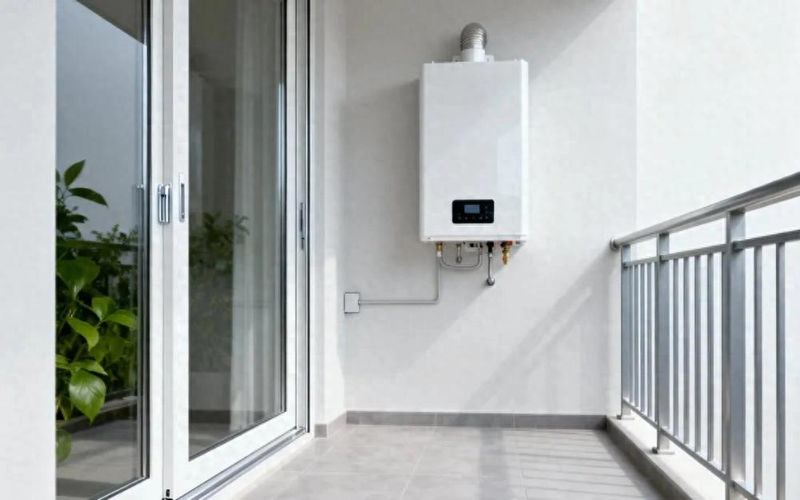
Core overhaul principle: safety first, first and last
Safety protocols must be followed before manual repairs: power cuts and gas valves closed. The logic of “external, internal, simple and complex” should be followed in the sorting exercise, which would be twice as productive。
Ten causes and solutions in depth
Reason i: power problem (for high-voltage/heat heaters)
Fault: shows the screen without light, doesn't react at all, doesn't hear any fan or start。
Source analysis: power-run water heaters must be electrified to work. The entire system cannot be activated if the plug is without electricity, power lines are damaged or internal fuses are melted。
Solutions:
1. Check if the water heater plugs are plugged in and if the plugs have electricity (available electric pens or other electrical tests)。
2. Checks if the electrical leaks at home are off the switch and, if so, try to reset。
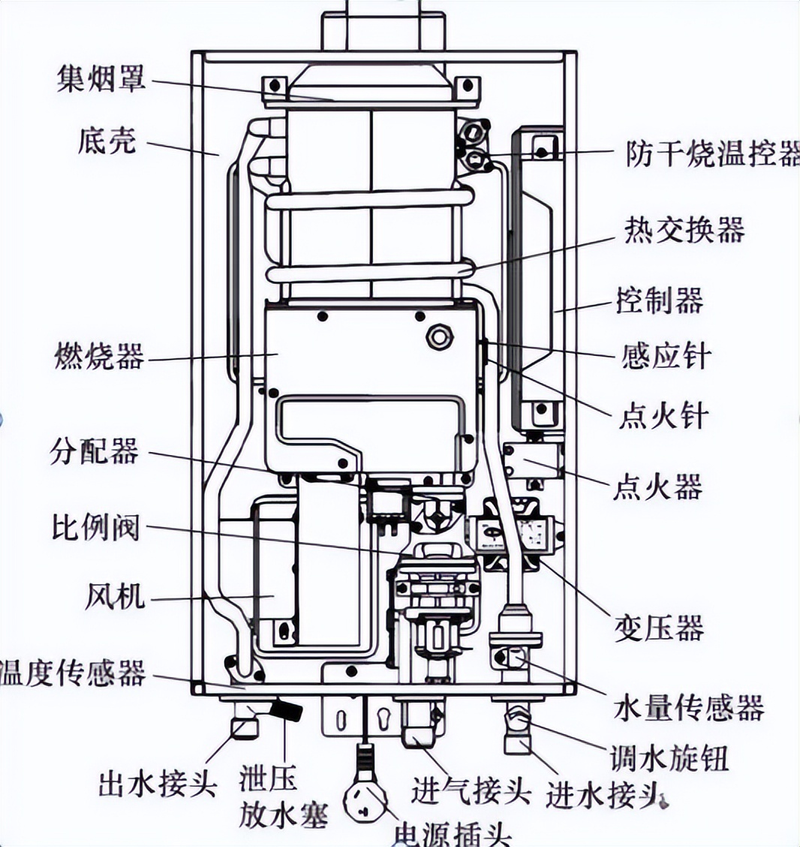
3. If normal, the water heater panel shall be opened to check whether the internal connection has been loosed and the main plate safety tube has been melted。
Reason ii: disruption of gas supply
Fragmentation: ignoring the sound of an electromagnetic valve when it is activated, or the sound of the ignition is faintly extinguished。
Source analysis: gas is fundamental to combustion. Unopened gas valves, non-electricity of gas-table batteries, congestion of gas pipelines or exhausting gas costs lead to a lack of gas supply。
Solutions:
Confirms whether the sub-valves below the total gas and water heater are open。
2. Check whether the gas table displays a "valve off" or lack of electricity and try to replace the gas table battery。
3. Consulting gas companies to stop gas, or checking account balances。
4. The burning of stoves can be tried and, if the stoves cannot be lit, it is essentially a problem of external sources。
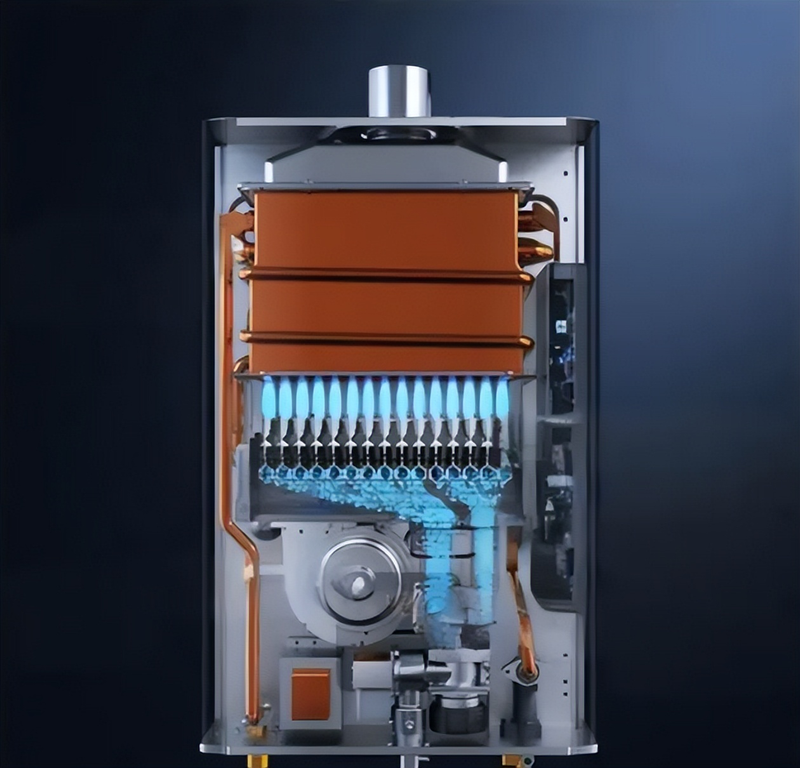
Reason iii: insufficient water pressure or failure of current sensors
Fault: the ignition needles are discharged, but no fire is lit, or the water heater is activated frequently and then extinguished。
Source analysis: the water heater needs to reach a pre-set startup pressure to work. At the peak of the old sub-regions, water pressure is too low, water filtration networks are blocked, current sensors are damaged or the carding is not able to properly transmit current signals to the main plate。
Solutions:
1. To observe whether other tap water pressure in the user's home is equally small and to confirm that it is an overall water pressure problem。
Close the water valves and remove the filters (y-type filters) that enter the water and wash the water and impurities therein。
3. Validation of the signal output of current sensors in different flows is measured on a universal scale and, if damaged, replacement。
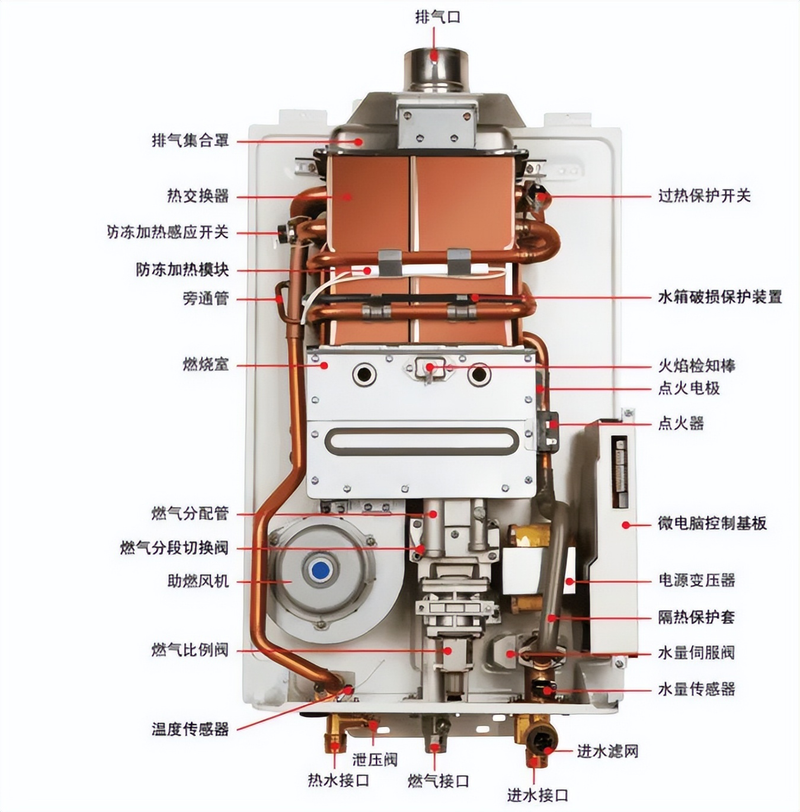
Reason iv: battery power depletion (for flue heaters)
Fault phenomenon: when pressing the ignition switch, there is no fire "silver" or sound is weak。
Source analysis: pyrotechnic water heaters rely on batteries to provide ignition energy and electro-magnetic valves to absorb electricity. Battery voltage is insufficient to generate sufficient sparks and to absorb electromagnetic valves。
Solutions:
1. Direct replacement of new, identical battery 1. Note that the battery is installed on a positive or negative level。
2. Check if the contact point of the battery cartridges is rusty and if so, polish the light with sandpaper。
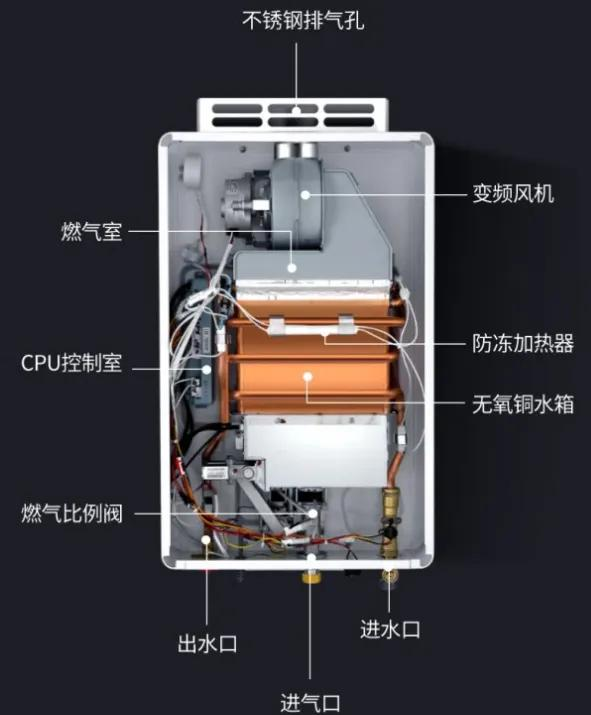
Reason five: fire and induction problems
Fault: i can hear the sound of a continuous fire, but i can't light it; or i can put it out quickly。
Source analysis:
Position shift: the fire pointer is too far away or too close for sparks to effectively ignite the gas。
Aging carbon accumulation: firing needles and sensors (respondent needles) are covered with oil, carbonate, affecting discharge and signal detection。
Damage: the needle itself is ageing or damaged。
Solutions:
1. Reposition of the ignition pointer at a distance of 3-5 mm from the tip of the fire。
2. Lightly grinding the pins and sensors with fine sandpaper to clear the carbon accumulated on the surface and restore its metallic glow。
3 in case of needle damage, replace the new item directly。
Reason six: emp failure
Frustration: there's a clear ignition, but there's no sound of an electromagnetic valve adsorption, and the flames can't be built。
Source analysis: emps are key components for controlling gas breakdown. If the main plate does not provide it with electricity, or if its own wire is burned and its own valves die, the gas cannot pass。
Solutions:
In the event of a ignition, the direct current voltage of the electromagnetic valve (usually 3v or 12v) is measured on both ends of the electro-magnetic valves using a universal meter. If there is voltage but the valve does not move, the electromagnetic valve is deemed to be damaged。
2. If there is no voltage, the problem arises in the control of circuits on the main board or in the front。
3. Replacement of electromagnetic valves of the same type。
Reason 7: wind engine failure
Frustration: the back winder does not turn or is slow, and the water heater then reports the wind pressure failure code and shuts down the fire。
Source analysis: power-run water heaters need to clear the exhaust before they can fire safely. If the wind is not turned, the wind switch cannot be closed, the main plate will be declared unsafe, thus disrupting the ignition process。
Solutions:
1. The most common reason for checking whether the wind engine's capacitor capacity is condensed and reduced is the direct replacement。
2. Check if the wind blades are caught by foreign objects and clean up。
3. Measuring whether wind turbine circuits are broken or short-circuited and, if damaged, replacing the entire wind machine。
Reason 8: wind pressure switch failure
Flows: the wind machine is working, but it still reports wind pressure failure。
Source analysis: wind pressure switches give the main plate signal through negative pressure generated by the sensor. If the membrane is broken, the connection hoses fall off or plugged, and the contact points sticky, they send the wrong signal。
Solutions:
1. Check whether the pressure hose connecting the winder to the wind switch has been removed, distorted or damaged, in particular if there is a leak in the interface。
2. Use a mouth-blowing wind switch to press the pressure, to hear whether the contact action is soundless, and to measure the normality of the breakout with a universal meter. If unusual, replace the wind switch。
Reason nine: control panel failure
All the above components are checked normally, but the water heater is still unable to work, or there is a breakdown of codes and procedures。
Source analysis: the master plate is the "brain" of the water heater. Aging, welding, damping, chip programming errors can lead to an inability to properly direct the components to work together。
Solutions:
1. Visual examination of whether the main plate has visible burns, electric drum packs, and weld marks on the chip。
2. Subject to ensuring that external conditions (water, electricity, gas) are normal, the main plate may be judged to be malfunctioning if all the performance elements are not driven。
3. Attempt to repair (e. G. Welding, replacement of vulnerable elements) or to replace the entire master plate directly。
Reason 10: thermal exchangers (water tanks) jamming or slurrying
Fault: water heaters can ignite, but quickly overheating, water not hot or exceptionally hot。
Source analysis: following long-term use, water trails and impurities accumulate within a narrow water tank pipe, resulting in poor water flow, reduced heat exchange efficiency, local high temperatures and overheating protection。
Solutions:
1. Dismantling water heaters, using specialized equipment (e. G., water tank scrubbers) for reverse acid washing or pulse washing, and removing internal water sludge。
2. In cases of severe congestion and inaccessibility, the user can only be advised to replace the entire heat exchanger or consider upgrading the water heater。
Here, in conclusion, it is as if there was a clear “failure map” in possession of the ten main reasons. In physical maintenance, using the “first-first-first-first-first-first-first-first-first-first-first-first-first-first-first-first-first-first-first-first-first-first-first-first-first-first-first-first-first-first-first-first-first-first-first-first-first-first-first-first-first-first-first-first-first-first-first-first-first-first-first-first-first-first-first-first-first-first-first-first-first-first-first-first-first-first-first-first-first-first-first-first-first-first-first-first-first-first-first-first-first-first-first-first-first-first-first-first-first-first-first-first-first-first-first-first-first-first-first-first-first-first-first-first-first-first-first-first-first-first-first-first-first-first-first-first-first-first-first-first-first-first-first-first-first it is suggested that the collection be kept by the masters and that their core logic be internalized as experts in solving such problems。