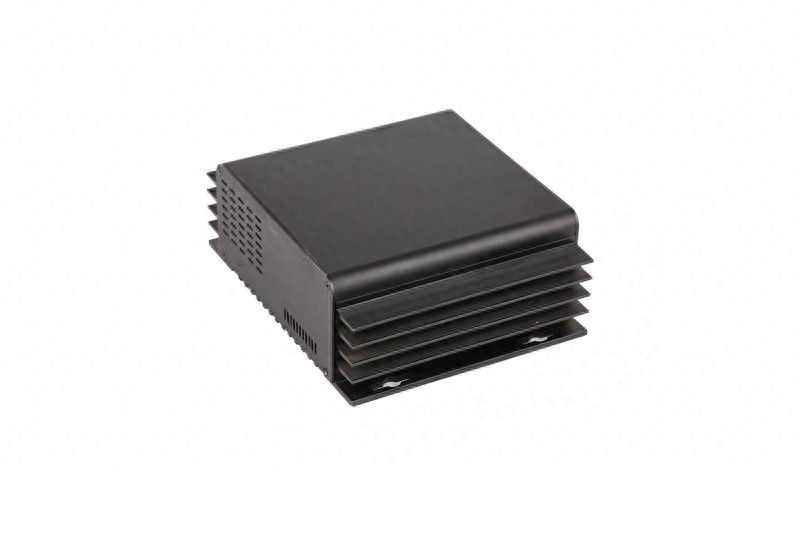
When it comes to the shape of the aluminum shell, custom instrumentation, many people get upset — do you have a lot of restrictions on the process of the alien? Fears that shapes are too special to process, or that they are undesired, are wasted. It is true that there are limitations to the processing of aluminum casings for alien instruments, but it is reasonable to avoid pits if they are known in advance. The following is a combination of practical experience with the core constraints, which are simple and understandable to new players。
I. Limitations in processes, some of which are inadequate
The shape of the foreign aluminium shell is irregular and many conventional processes are restricted. For example, simple convulsions and crushing processes, which are only suitable for a fixed plane, a straight-angled shape, are difficult to achieve if the alien shell has complex arcs, curves, or irregular empties or bumps, and can be replaced by more complex processes such as cnc processing and casting. There are also extreme alien formations that, even if processed with cnc, are not capable of forming at once because of the limitations of a knife's course and processing angle, which require multiple processing, making processing more difficult。
Ii. Procurement limitations, equipment of institutions
The precision of aluminum in instrumentation is highly demanding, but the accuracy of the heterogeneity is difficult to control, which is one of the main limitations. For example, the curvature radians, irregular holes in the aluminum casings are prone to differences in size and uneven radians when processing them; in particular, the alien casings of small precision instruments are subject to minor deviations that affect the installation of the instrument or even fail to adapt to internal elements. In addition, the accuracy of the adhesion is difficult to ensure, with multiple processing, of the foreign shell, and is prone to cracks and misdirections。
Iii. Limitations on material and thickness, with the requirement to adapt to alien processing
Not all aluminium materials are suitable for the processing of alien instrument casings, and material and thickness are significantly limited. For example, thinr aluminium plates (less than 1 mm) are susceptible to deformation and wrinkles in the processing of aluminum casings, which do not guarantee the shape of the shell; and hard-weighted aluminium materials, which are difficult to process and open to cracks, especially in complex shapes. In general, preference is given to balanced and extended aluminium materials, and thickness is recommended to be kept within a reasonable range so as not to affect processing effects due to material and thickness problems。
Iv. Cost and periodicity constraints, high processing costs, long cycles
Alien instrument aluminium shell processing is also subject to cost and periodicity constraints. Intraform processing requires customization of specialized moulds, adjustment of processing parameters, and may involve multiple trial processing, which not only increases significantly in processing costs but also increases the length of the processing cycle, compared to conventional casings. Moreover, the consistency of the alien shell is difficult to ensure during bulk processing and is prone to individual variations, requiring additional time to validate, amend and further extend the cycle and increase costs。
In summary, the limitations of the processing of aluminum casings for alien instruments revolve around the four points of process, accuracy, material thickness and cost cycle. There is no need to be overly concerned when customizing, and these restrictions can be effectively reduced by communicating clearly with processors in advance, avoiding extremely complex designs and choosing suitable materials and processes, both to ensure that processed casings meet instrument requirements and to rationally control costs and cycles and avoid pit-pumping。