01 summary of liquid cold technology
In today's rapidly changing technological landscape, the integration and miniaturization of electronic devices are increasing, with the consequent demand for high dispersion heat becoming more pronounced. High integrity and miniaturization of electronic equipment pose heat dispersion challenges, and the working temperature of electronic devices has a direct impact on their useful life and stability, resulting in stricter heat dispersion requirements for electronic equipment and electrical systems. Lrts offer applications with their high efficiency, low noise, etc., and lbcs, with their high dispersive heat efficiency, rapid dissipation, low noise, and compact design, offer vast market potential and application prospects in the field of electrical and electrical power。
The key to the application of liquid cold technologies lies in their efficient heat transfer equipment, thermal tubes. Thermal tubes are an efficient heat transfer device using the thermal conductor and phase principles, which are often used in heat-dispersion systems. Next, we'll explore the mystery of the hot tubing。
02 theoretically, and history of development
Heat transfer mechanisms for thermal tubes
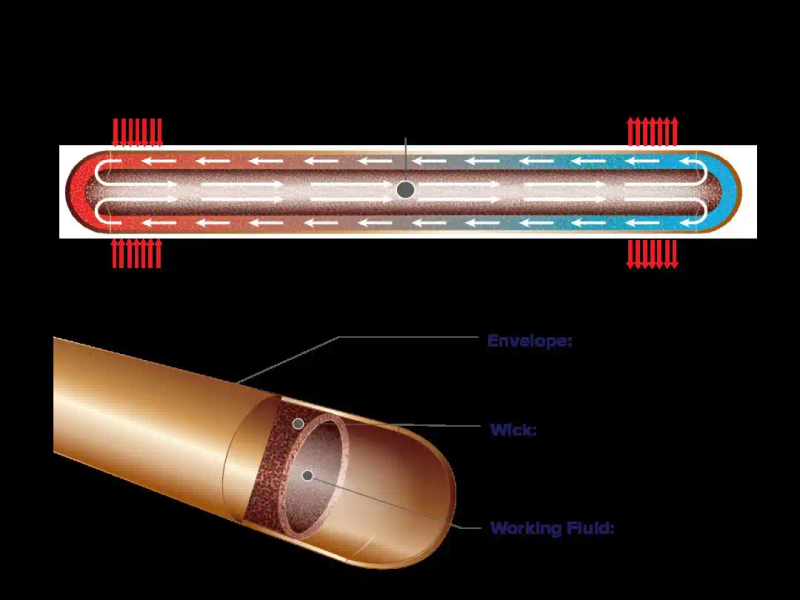
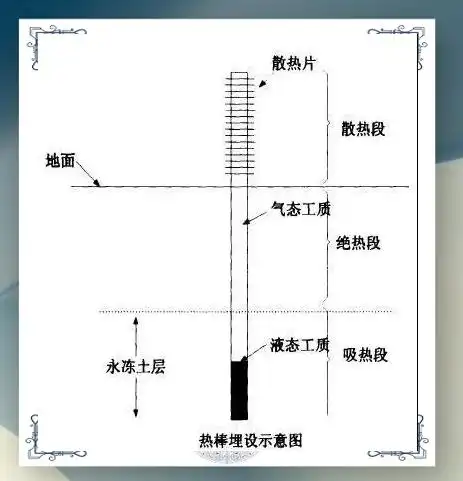
Thermal tubes, this heat transfer device, skilfully integrates thermal conductor and phase principles, making the transfer of heat between the two solid interfaces efficient and feasible. Thermal tubes achieve efficient heat transfer cycles through evaporation and air pressure differentials of the liquid, the working method of which depends on the variation of the liquid. When the heating end of the heat pipe is heated, the work fluids absorb heat and evaporate into gas. The lower temperature of heat discharges in the heat tube causes the vapour pressure of the work liquid to be lower than the heating end, thus contributing to the spread of the gas from the heating end to the venting end. At the heating end, the gas condensed into liquid and released the heat absorbed. Subsequently, the liquids were re-flowed back to the thermal inhaling end through a fine, centrifugal or gravitational effect, completing a complete heat transfer cycle。
History of thermal tubes
The history of gravitational thermal tubes dates back to the steam age, when angier march perkins and his son loftus perkins invented “perkins tube” and received extensive applications in the engine boilers and ovens. In 1942, r. S. Gaugler of general motors filed and applied for a patent, although it did not attract widespread concern. It was only in 1963 that george grover independently developed the heat tube at the national laboratory in los alamos, and for the first time named it by the word “heat tube”, that such efficient heat transfer equipment began to receive attention。
03 heat tube application and fluid selection
Electronic equipment and space applications
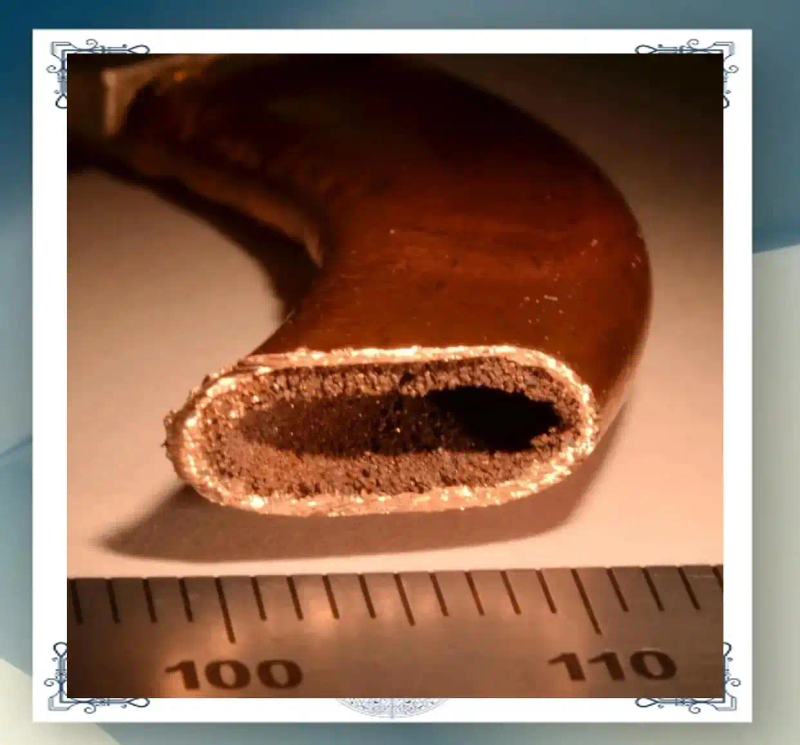
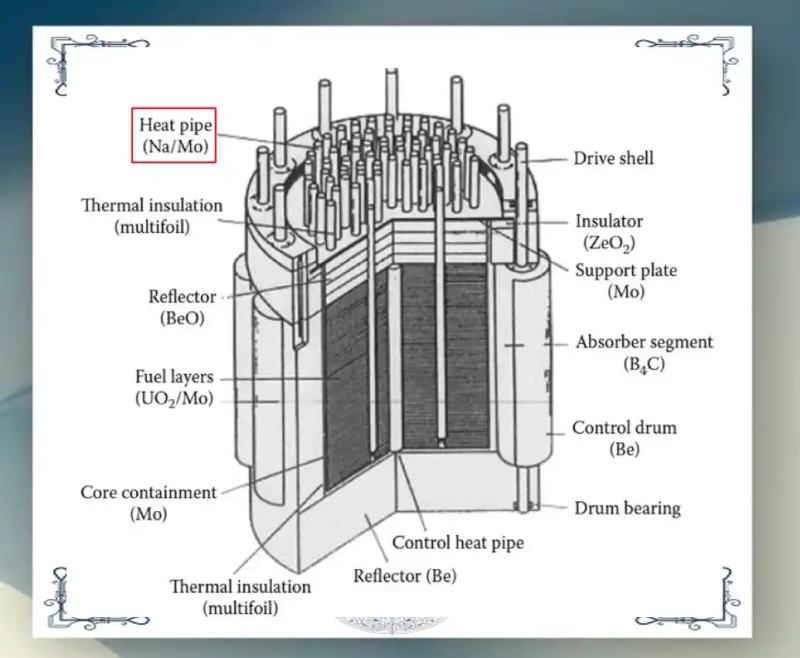
Thermal tubes in the laptop are designed with a small heart, and the walls of the tube are constructed through a sintering process, presenting porous properties. Thermal tubes are widely used in electronic equipment and spacecraft because of their efficient heat transfer and stability in a vacuum and zero gravity environment. Nasa (national space agency of the united states of america) made an outstanding contribution to the development of thermal tube technology in the 1960s. At that time, spacecraft faced severe temperature challenges in space, with direct-to-sun-to-sun heat on one side, while light on the other side was rare and low-temperature, seriously threatening the stable operation of spacecraft. Thermal tube technology, because of its excellent performance under these difficult conditions, is widely applied to balancing the temperature on the surface of spacecraft。
Fluid selection for low and high temperature environments
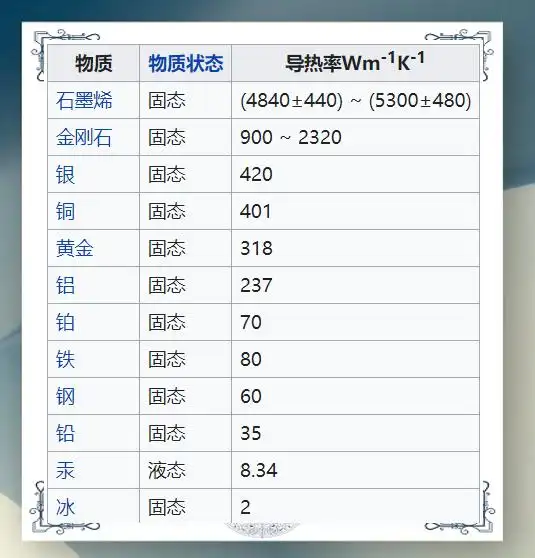
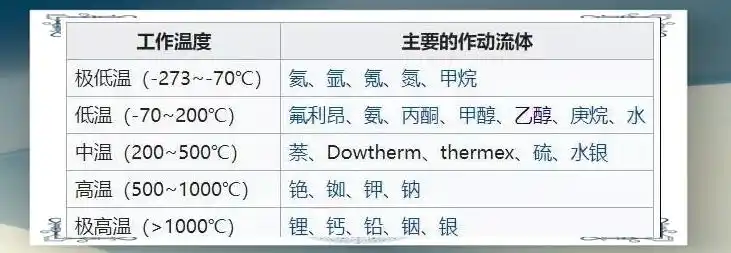
Thermal tube fluids are selected differently in different temperature settings, affecting their heat conductivity and working efficiency. The choice of internal fluids in the heat tube is essential and directly affects the efficiency of the work of the heat tube. Theoretically, thermal conductivity of thermal tubes is wide ranging from 4,000 to 100,000 w/(m. K). In the field of electronics, thermal conductivity of thermal tubes used is usually between 1,500 and 50,000 w/(m. K), a value well above thermal conductivity of solid copper and solid aluminium。
In extremely low temperatures (about 2-4 kelvin), helium is often used as a working fluid for thermal tubes. In high temperatures, substances such as mercury (523-923 kelvin), sodium (873-1473 kelvin) and even thallium (2000-3000) are widely used. In particular, copper/water thermal tubes usually operate within a range of 20 to 150 degrees celsius。
Other applications
Thermal tube applications in the tundra
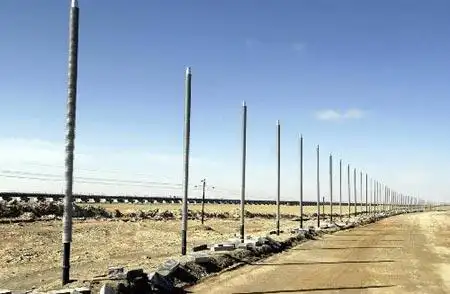
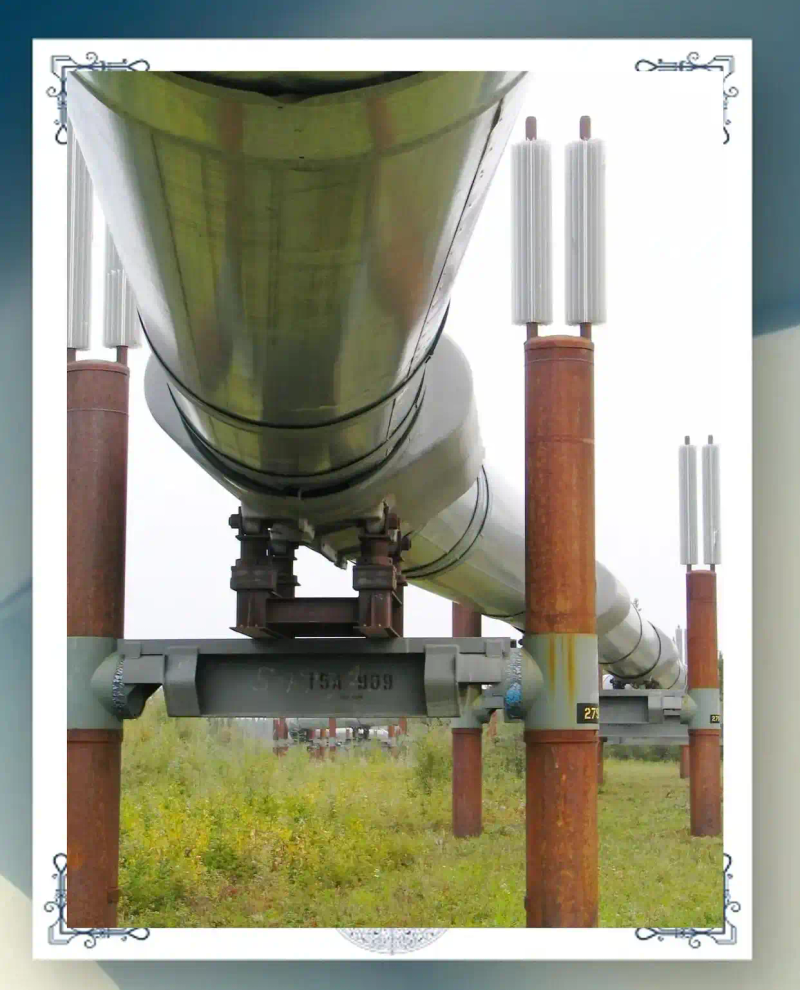
Frozen soil, where the soil or rock layer remains frozen at below 0°c and displays the characteristics of frozen thaws, such as polygonal earth or rock rings, is a unique phenomenon in nature. In order to ensure the stability of buildings, efforts must be made to keep the thaw frozen. At this point, thermal tubes have important applications in the areas of tundra dispersion and geothermal energy extraction to ensure stability in harsh environments. In response to the challenge of the tundra, which is a typical case in point, large numbers of grey thermal poles have been placed on both sides of the railway, using the principle of no core gravity and without the need to draw the hair of the core, thus effectively maintaining the freeze on the tundra and ensuring its safe operation。
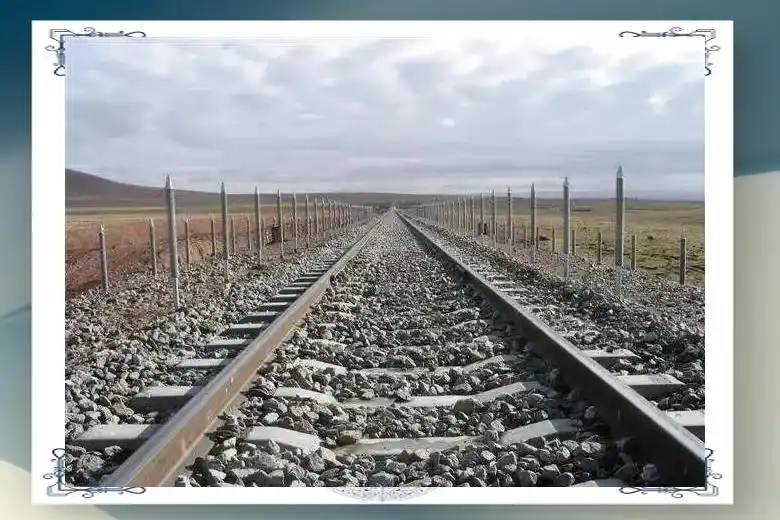
In the summer, air temperatures are higher than the tundra, and the theoretical heat should be capable of passing from air to the tundra. In practice, however, since the work of the thermal tubes depends primarily on gravity, liquids naturally flow to one end of the thaw with gravity. The lack of working fluids on the air side prevented effective heating, which kept the tubes inactive during the summer。
In addition, longer gravity thermal tubes are being explored to extract geothermal energy with a view to providing indoor heating during the winter。
As the technology of liquid cooling and dissipation progresses and improves, its excellent dissipation performance is expected to be fully demonstrated in the area of computer products. Especially in libraries, electronic classrooms and high-density computing environments, ltd technologies will play an excellent role with their advantages of low noise, efficient heat dispersion and energy conservation。