The guangxi news network's theme is science teaching
On-line and off-line instruction in basic care
19:01 source: university of chinese medicine, guangxi new medicine school
Name of case: integrated on-line and off-line teaching in basic nursing
Head: ding liang
Declaring school: syens new medicine school, central and china medical university, guangxi
1. Teaching philosophy
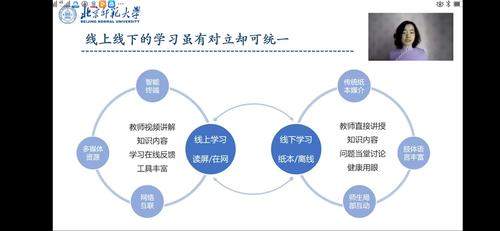
The course consists of 18 chapters taught in the next two semesters, 12 modules, 48 hours of course in the spring of 2020, 12 hours of course online and 36 hours of course downstairs (28 hours of course experimental). The curriculum is designed to help students build the basic knowledge necessary for clinical specialist care, acquire the basic skills necessary for care in clinical disciplines, and develop integrated skills; guide students to understand and develop holistic care concepts in order to achieve the care objective of “promoting health, preventing disease, restoring health and reducing pain”, and teach students to respect life, love life and better perform the roles and functions of caregivers。
2. Teaching methods and processes
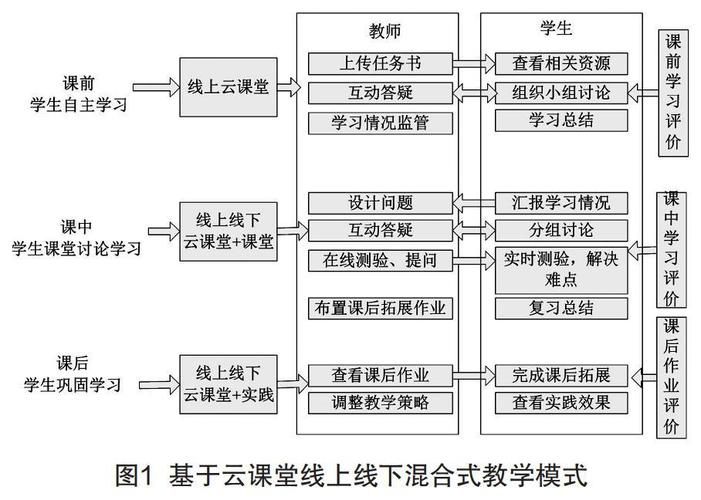
(1) pre-school, after-school use of learning to promote knowledge points, release learning assignments, feedback on learning effects
The online part of this course is open one week before the classroom is taught. (b) the content of the study: pre-school preparation (pre-school reading and pre-school orientation issues), lectures, videos of micro-studies with a focus on difficulties, a video on care operations prepared by the health department of the guangxi autonomous region, a model video on student operations, criteria for the scoring of care operations, chapter tests and periodic examinations. The functions of online courses are mainly reflected in pre-school and post-school refresher courses. The introduction of pre-school reading, together with pre-school orientation issues with a certain depth and breadth, can trigger deep-seated thinking on theoretical knowledge, foster scientific thinking among students, and enhance self-learning skills. Post-school learning can be difficult to explain, expand reading, organize homework and chapter tests, helping students to strengthen their memory, meet their individualized learning needs, and provide timely feedback on learning outcomes。
(2) use of learning under integration lines
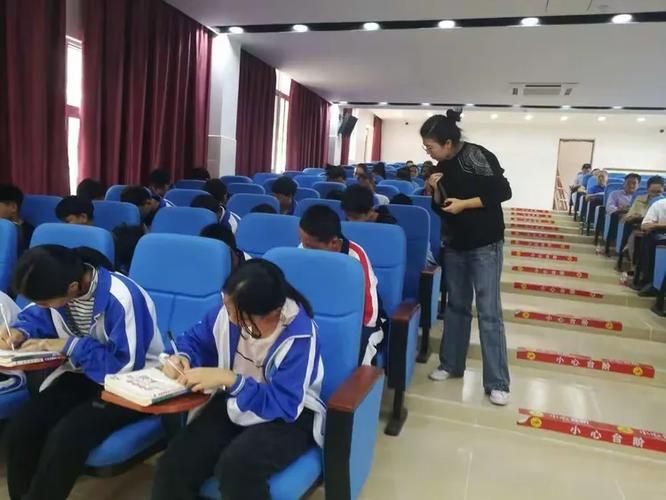
In the classroom, teachers use a learning-to-leaving screen and interact with the classroom, organize online signings, thematic discussions, case analysis, pbl group discussions, answering and small games, and students use mobile phones to participate. Each course is presented in a screen-screened form, enhancing teacher-student interaction, stimulating student enthusiasm and motivation. At the same time, teachers will organize or reverse classroom teaching in accordance with the teaching situation, change teaching roles, further deepen students ' knowledge points and emphasize their ability to apply knowledge in an integrated manner, thus helping them to understand and develop a holistic approach to care。
3. Reform innovation points
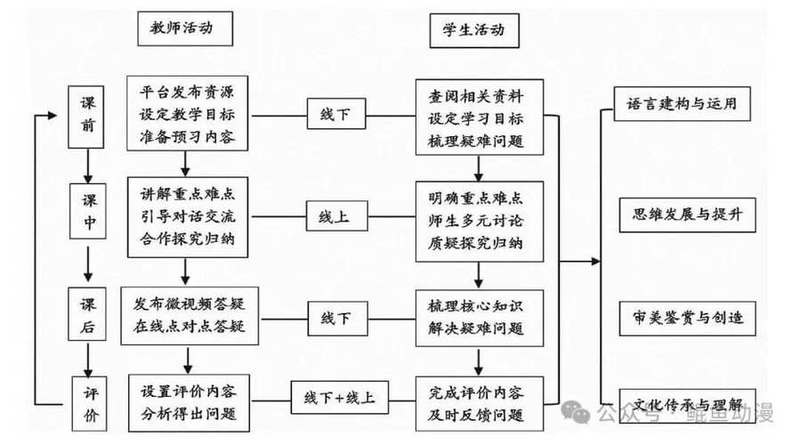
(1) shifting the teaching model, emphasizing the development of students ' abilities
The course is taught in three stages, i. E. Trial, demonstration and task-driven, focusing on the development of self-learning abilities of students. In the course, emphasis is placed on combining theory and practice, using role-play, thematic discussions, case analysis, etc., to build the capacity of students to think independently, solve problems, and apply the knowledge they have learned in a holistic way, so that knowledge is imparted and capacity is developed to expand students ' capacity for integrated application。
(2) change the teaching mode of online courses and teach pleasure
In the course line, modular teaching is used to introduce the concept of the promotion of play by students, and each module is classified as level one, using a break-in mode. The modules include: day-to-day tasks (pre-school reading, pre-school orientation issues), experience tasks (course video), hidden tasks (student-operate video) and generic copies (chapter tests). The learning chapter is equivalent to a mission of experience, where the next one is unlocked, and each module is completed with an advanced copy, i. E., a stage test, before the test meets the standard, before upgrading to the next level of study, making the learning more interesting and entertaining。
(3) emphasis on formative evaluation and a comprehensive examination of the overall level of students
A life-long model has been abandoned in the course of the examination, with a formative evaluation, which includes pupils ' classroom interaction, homework, online learning, attendance, after-school practice, theory of phase i and operational appraisals as reference points, with a full view of the student's aggregator
Capacity。
(4) integration of political thinking into the curriculum in mixed teaching
1 integration of caregiver profiles and curricula
In the introductory session, we'll introduce nightingale and a male emergency nurse to the selfless dedication and non-return of others, and to treat each patient with their own love, patience, care and responsibility, burning themselves and lighting others' stories. Inducing students to think about the nursing industry, teaching them to respect and love life and developing their professional ideas。
2 professional quality education and curriculum integration
The introduction of the work of medical personnel in the environmental section of the hospital, as well as the tribute of the medical workers who fought at the front line during the epidemic, led students to respect the nursing staff and taught them a sense of duty and responsibility as future nurses。
A new coronary disease is introduced in the section on quarantine and protection, as well as de-segregation of the area and the division of the area, using the real use of mount flamingo, the ray hill ward. In viewing the video, students not only learn the relevant theoretical knowledge, but also learn from the health-care staff who are in danger, who are saving lives and injuries, are baptized spiritually and trained professionally。
Scanning on the phone to open the current page