Two eleven is secondary price discrimination
Secondary price discrimination refers to monopoly producers selling different units of production at different prices, but everyone who buys the same quantity of products pays the same price. A monopolistic seller may also charge different prices depending on the purchase volume of the buyer. For example, telecommunications companies charge different prices for customers ' monthly internet access times, higher prices for customers with small usage; lower prices for customers with high usage. In this way, a monopoly seller has appropriated a portion of the buyer's consumer surplus and therefore there is price discrimination between not different people but between different yields。
The conversion ratio between time and money is different for everyone. When there's no activity, you go shopping. It's the same time as normal. But the same time is different for everyone: some time is more expensive (he saves time to do other income-generating things), others time is cheaper (and not much gain to save) and users who have less time have less purchasing power。
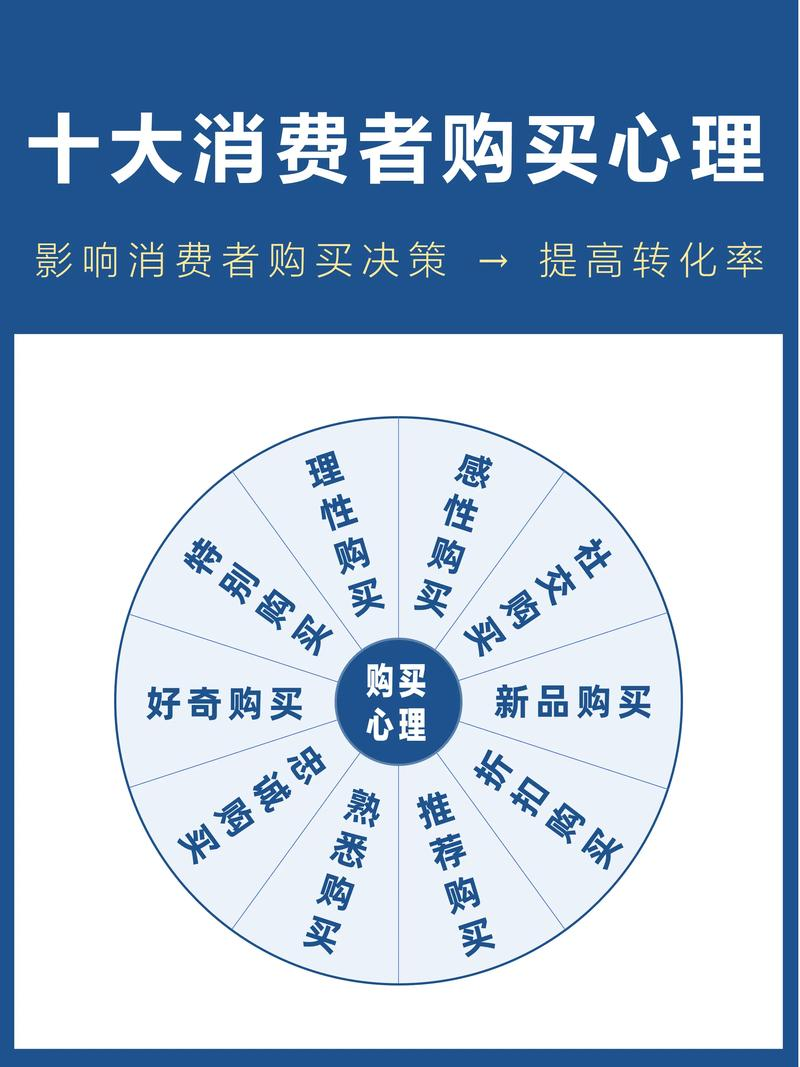
Businessmen can't distinguish between what kind of consumers are behind an id, but there's a lot of people who buy and don't buy the edges. If the merchants knew these people clearly, they were willing to sell them at a slightly lower price, but they suffered two things:
Businesses do not know who specifically “wanted to buy or not”
Businesses cannot offer lower prices alone, because otherwise everyone would claim to belong to the “cheap-to-buy” type, so that they would have to reduce prices in a uniform way and would have lost a large amount of revenue to the purchaser。
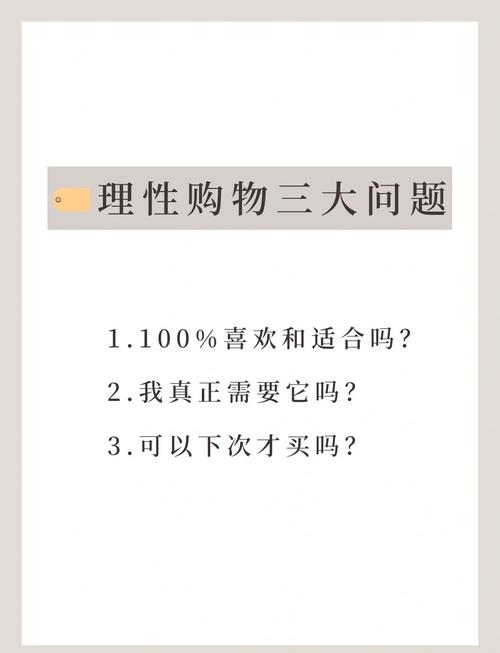
So here comes the "two elevens," which gives businesses an opportunity to distinguish between the two consumers. By setting a long waiting time (or a complex mechanism, in any case, to make consumer shopping difficult), a merchant can choose whether or not to buy in such a cumbersome, time-consuming way: if the consumer chooses this time-consuming approach, he is a time-consuming consumer, and the merchant lowers the price, and if the consumer does not wait for the “two-xie”, then the man is obviously a time-rich consumer who can sell the original price to them and avoid the loss of a flat price reduction。
This has allowed businesses to expand their user base while avoiding, to the extent possible, the loss of lower prices for high-level consumers. In economics terms, this is the screening (screening) under asymmetrical information — that is, through a mechanism that allows different types of consumers to present their type in a realistic way。
Secondary price discrimination is generally a catalyst for social welfare, so the emergence of the xxi essentially increases the well-being of society as a whole。
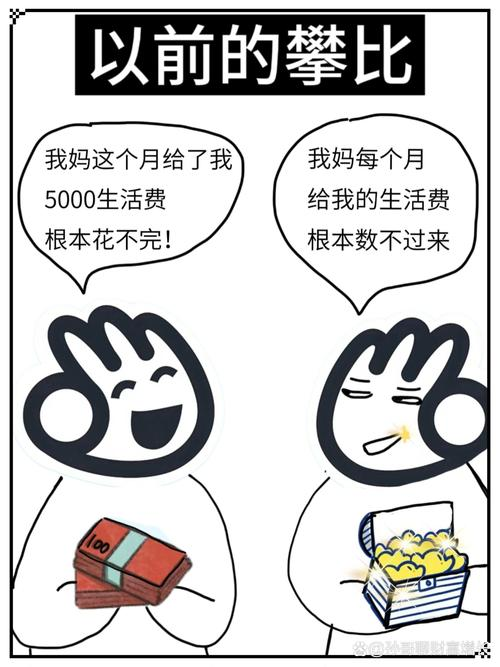
So, is the "two elevens" a bad idea
If you're rational, then whether you buy it or not, you won't lose. Because if you don't buy it, it means you're the first consumer, and the first consumer would never buy it; if you buy it, it means you're the second consumer, then the second consumer really tends to expand consumption in the eleventh。
Of course, if your preference is not rational, then it is possible to lose or not lose。