Cars need to be carefully maintained in winter because of low temperatures and the vulnerability of parts of cars, which need to be carefully used in order to protect their cars. Let's take a look at the maintenance of cars during the winter and hope it will help you。
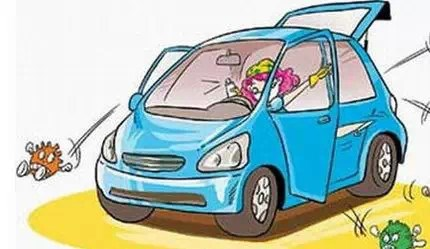
Replace or add anti-freeze fluids in a timely manner. In winter, outdoor temperatures are low, and if vehicles are to function properly, they must have sufficient anti-frozen fluids, otherwise the water tanks are frozen and the normal cycle is not possible, and the vehicles fail. Refrigerated fluids need to be replaced in a timely manner between max and mix。
2. Change glass water early. In winter, when washing windshields in front of cars with glass water, it is important to use glass water of good quality so that it is not frozen when washing glass. If not, it will damage the wiper and affect the driver's sight。
3. Check if oil is sufficient. Automobiles are functioning in winter, oil plays a significant role, and before winter comes, it is important to see whether the oil gauges are within normal limits. Let's see if we can change our car. The oil could be replaced on the basis of the kilometres in the maintenance manual。
If the snow falls, the car is covered with heavy snow, and while cleaning the snow from the front windshield, be careful not to scratch the glass with a sharp instrument, particularly a rain scratcher, and do not open it until it is frozen, otherwise it will break the rain scratcher。
When driving in the winter, it is not necessary to use the in situ heater to slow the heater and not to refuel the door. Because of the increased viscosity and slow circulation of oil in winter, hot vehicles can ensure that vehicle oil and anti-freeze fluids are in place to mitigate wear and tear。
6. Adjust tire pressure. The winter is cold, and as much as possible makes sure that the car's tires are enough for the summer, as tyres are prone to heat and cold. It'll be comfortable and safe to drive。
Cars in winter are the key, warm as humans, and cars need to be properly cared for in winter. Let's see what we need to look at in the winter
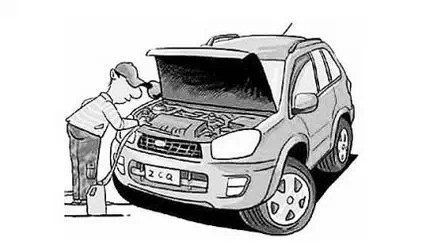
One: a warm wind system
The normal operation of the heating system is undoubtedly important for the winter, and although the heating system is simpler than the air conditioning system, it also fails after a summer off. Therefore, there is no hot wind in the heating system before winter, whether the wind machine works or not, and whether the wind pipes are open. In some cases, anti-frozen fluids in a warm wind pipe are chronically non-frozen, condensed and blocked through the circulatory pipeline, which, while not affecting the vehicle, is difficult to repair and must be repaired in a timely manner at the 4s shop or repair plant。
Note two: cooling systems
Refrigerated fluids must be used in winter, especially in the north, where temperatures are mostly below zero. If the cooling system of the engine is ordinary water, it is easy to form ice, it discourages car start-ups, and it can almost cause severe engine damage. According to statistics, the failure of the cooling system is the number-one killer that caused engine failure, which accounts for about 60 per cent of the total engine failure! So the use of anti-freezing fluids in winter can be an effective deterrent to cold-system ice-freezing events. So let's not forget to check the antifreeze in winter. In general, it is proposed that anti-freeze fluids be replaced every two years. However, if you have done anything to add ordinary water to an anti-frozen fluid, the replacement period for the anti-frozen fluid should be early, and the colour of the anti-frozen fluid should be considered when replaced。
The lower the ice point, the stronger the resistance of the antifreeze. At present, ice points in the market for anti-freeze liquids are specified at 15°c, -25°c, -30°c and -40°c, and the choice of ice points should be more than 10°c below the lowest temperature in the region。
Caution iii: water spray system
Even if the use of rain-scratching water systems is significantly reduced during the winter, it cannot be ignored, particularly in the northern regions. Like anti-frozen fluids, although they can be replaced in summer with fresh water and clean water, these alternatives are likely to freeze in winter and are therefore not available in winter. In an environment below 0°c in winter, cold-resistant winter glass water should be replaced, or an appropriate proportion of alcohol should be added to the glass water for ice-reduction purposes。
Attention four: paint the car
What? It is recommended that people who love cars do a “smuggling” of cars before winter. The early winter waxing is a good way of maintaining the paints, as the number of cold winter days and the number of car washes will also decrease. In addition, waxed cars are not easily watered and their paints are not easily iced during the winter。
Note five: full light
The working state of the entire vehicle lamp should be thoroughly checked and the light bulbs changed as soon as possible. Fog lights, brake lights, switch lights, and look at working conditions. The low visibility in the early morning of the winter and the particularly high number of tailing accidents, such as mist lights and high-speed brake lights, are also a guarantee of the safety of winter vehicles。
Note six: power supply
This is mainly about the bottle. Cylinders are very "sensitive" to cryogenic conditions, where battery capacity is much lower than at normal temperatures. Although bottles are now free of maintenance, they are no longer required to supplement electrolyte and regulate the weight of electrolyte. However, before the onset of the cold season, the cylinders should also be cleaned up and protected with specialized grease to ensure reliable start-up and longer life of the cylinders. If the vehicle is not used in the open air or in the garage for several weeks, the bottles should be removed and stored in warmer rooms in case of damage。
Note 7: tyres
Rubber can become hard and relatively fragile due to lower temperatures, and friction coefficients can be reduced. Tyres must not be too high in winter, but much less too low. External temperatures are low, tyres are underpressed and soft tires can accelerate ageing. During the winter, it is often necessary to clean the insides of the tires, to avoid, to the extent possible, the use of tires that have been replenished more than once, and to replace those that have been worn more than once and have different brands. The internal and external wear of tyres varies considerably, and in order to ensure safety and reduce the wear, tyres should be periodically balanced by four-wheeling and their location replaced。
Note eight: rain-shaving
If it is discovered in the early morning that the windshield is glued to snow water, do not wash directly with hot water, which makes it easier for windows to burst due to temperature changes and deform the rain shaver. The correct approach should be to drive air conditioning to the hot wind, blow the wind pattern to the front wind, pending the naturalization of the rain shaver, while bearing in mind the need to inject cold-proof glass water into the shower spray。
Note nine: windshield
Clear windshields are essential for safe driving. Rain scrubbers should be rinsed regularly during the winter and the snow should ensure a clean windfall. Frozen windshield glass can be replaced if necessary to avoid freezing in winter. In addition, there is some wind-blocking agent in glass water. When the wind blockes the ice, the glass water is sprayed, the ice melts, unlike ordinary glass water, and the ice is sprayed more and more。
The role of the back-glass de-facing line is significant, and in rain or snow, the back-glass de-facing line is able to remove fog or ice water quickly, thus providing the driver with a good rear view. During maintenance, the window of the vehicle should be wiped along the direction of the print line, i. E., horizontally, and if it is wiped up or down, it will be easier to remove the resistance thread. If it is necessary to check whether the defrost line works, the back window can be removed from the mist switch, if it is not removed, the fuse of the back window defrost line should be checked first, if the fuse is normal, then the print circuit on the back window window glass should be checked for any break, and if there is a break, it should be sent to the repair plant for repair, or the water and stains of the lined out should be wiped out with clean rags, then the tin paper of the packaged cigarette should be cut to the appropriate size, then the tin paper should be placed on transparent tape paper, and the tin paper should be removed from the face, and then the tin paper should be attached to the line。
Note ten: chassis
Due to the high amount of snowy air, snow-sweeping trucks tend to spread large amounts of salt on the roads to accelerate the melting of ice and snow in order to melt the ice as quickly as possible. The road is thus equivalent to an acidic liquid, and cars are travelling on ice and snow, and flying tyres obviously throw high-salinized snow water onto the car chassis, which, without protection by the chassis, is prone to corrosive rust. So you'd better take some time before winter to get the chassis protected. To better protect your car. Car-friendly lives can also be extended。
Note 11: the gas system
In the cold winter seasons, car failure may occur frequently. Apart from possible causes of inadequate cooling systems and bottle power, most are due to excessive carbon accumulation, such as gas-saving doors and gas vents. The excessive accumulation of carbon in the gas-saving doors is in itself prone to impregnable ignition, and while carbon in the gas-saving doors may not affect engine start-up in the summer, the engine may fail or need to be lit several times during the winter due to lower temperatures in the vehicle environment, the impact of gasoline volatilization and the relatively weak ability to fire the gasoline equally. So it's suggested that the owner clean up the gas-saving doors during the winter
In general, it is suggested that the clean air-saving doors at intervals of about 20,000 km be checked at the same time to prevent engine fire failure。
Note 12: lubrication systems
It is well known that oil has three main functions of lubrication, cooling and cleaning, and that normal flow of oil is an important medium for the normal operation of engines. However, the performance of these functions is mainly related to the viscosity and mobility of engine oil. The viscosity of oil changes with temperature。
During the summer season, the oil is liquid due to high temperatures, and the engine is used with much viscous oil to ensure that the appropriate density is effective for lubrication. However, cold weather into winter, especially in the north, is below zero for most of the time, resulting in overheating of the cold vehicle, which affects start-up and increases wear and tear. At the same time, too little oil in the heat engine reduces lubrication and sealing performance. Therefore, during the winter season, oils from oil floors, air compressors should be replaced with oil for winter purposes in a timely manner; gear transformers, splitrs, speed differentials, gear oils from gears in transformers should be replaced with gear oil for winter; and less viscous bearings should be added to the lubricant after cleaning the bearings。
If the required oil exchange time is reached or approaching, it would be preferable to replace it before it becomes cold。