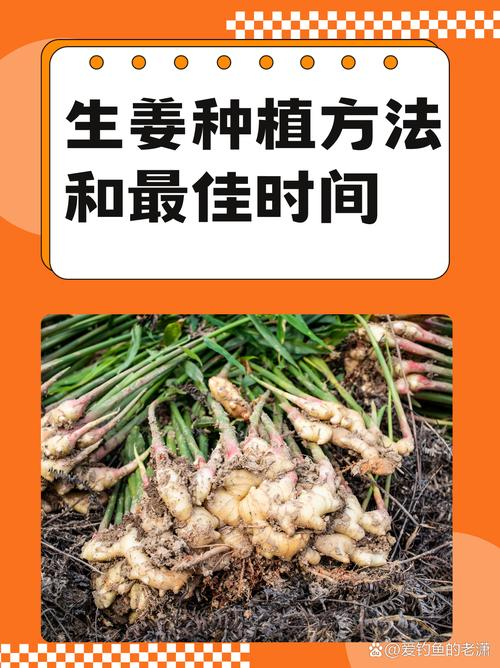
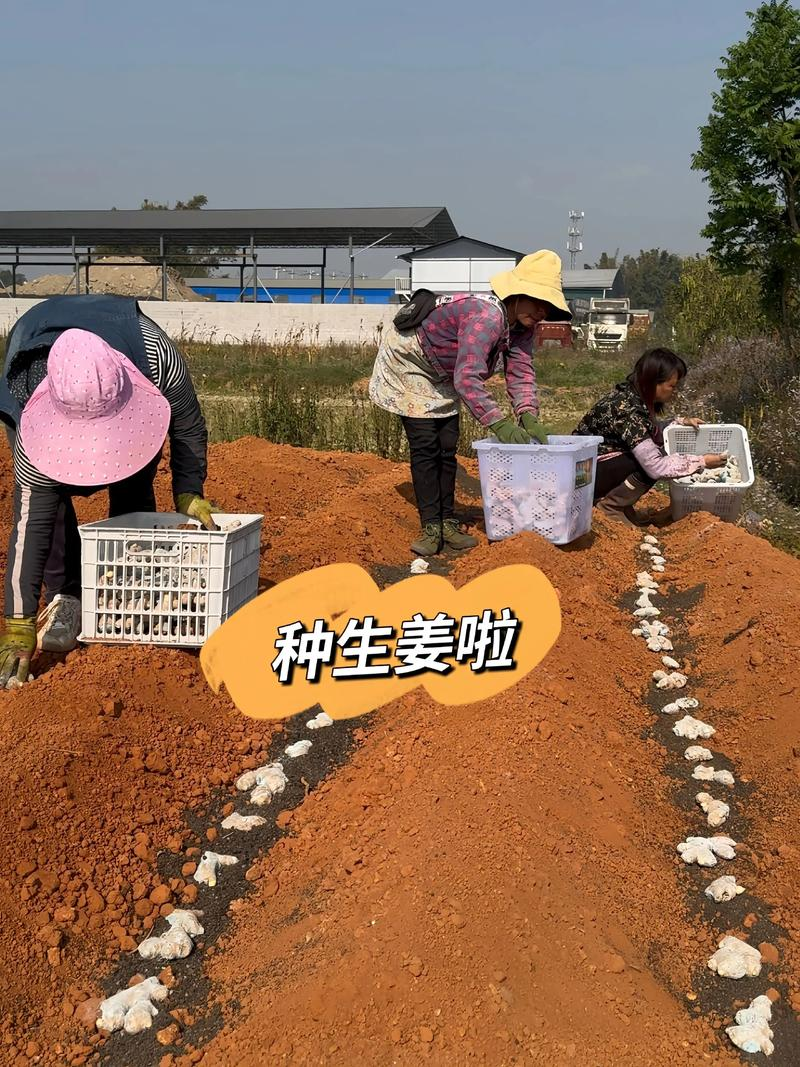
Ginger-breeding technology reporter: the harvest of ginger-breeding techniques for ginger-breeding and the harvesting of ginger-breeding pests and the storage of ginger-breeding is suitable for planting in deep, loose and fertile sandy soil, with good drainage, for the development and growth of the root. Soil type soil alkaline soil improvement is suitable for growth in micro- acid to neutral soils with soil ph values ranging from 6. 0 to 7. 0. Soil improvement, adding organic and compound fertilizers and increasing soil fertility and permeability should take place before ginger cultivation. The soil conditions are green and warm, with an appropriate growth temperature of 25-30°c, which slows up to 16°c and stops at 10°c. The temperature of ginger requires adequate light and generally requires daily sunlight hours of more than 8-10 hours per day in order to promote photosynthesis and nutrient accumulation. Solar ginger is a long-term water requirement, but excessive or too little rainfall affects the growth and production of ginger and therefore requires rational irrigation in accordance with climatic conditions. Ginger irrigation in rain-fed weather conditions can be used in a variety of ways, such as spraying, drip irrigation, flooding, etc., to select suitable irrigation methods according to soil quality and climatic conditions. The irrigation system requires timely irrigation in the long term, usually during critical periods such as planting, seeding and expansion. The irrigation period determines the amount of irrigation based on soil moisture and weather, so that the soil is wet enough to avoid overwetting or drying which affects the growth of ginger. Ginger farming technique 02, which is irrigated in irrigated condition, chooses strong, disease- and pest-free ginger as a seed to ensure its quality. The selected seeds are sprung at the right temperature and humidity and seeded at the right length. The selection and breeding of breeding species are based on soil fertility and variety characteristics, with a reasonable planting density to ensure that ginger is growing well. Select the appropriate planting time to ensure the growth cycle and yield of ginger, depending on local climatic conditions. Cultivation density versus time planting density is based on the application of base fertilisation before cultivation, mainly organic and compound fertilisation, to increase soil fertility. The glyphs are properly followed up to meet the nutrient requirements for ginger growth, depending on the stage of ginger growth and soil nutrients. Fertilizer management irrigation is applied in a timely manner to maintain soil moisture in accordance with soil moisture and weather conditions. The discharge is carried out in a timely manner during the rainy season, preventing the accumulation of water in ginger fields and affecting the growth of ginger. The management of ginger pests in irrigation and the prevention of the bacterium plague are caused by bacteria and spread at a rapid rate. Control methods include the selection of non-pathic ginger, rotor, chemical agents (e. G., agro-sulphate sepsis). Anthrax mainly endangers the leaves and causes them to be yellow. Control methods include increased application of organic fertilizers, chemical agents (e. G., ether acetate). Common pests are treated against common pests, which prevent the larvae from eating ginger, causing it to rot. Control methods include manual killing, chemical agents such as trichlorfon. Little tiger larvae bite to eat ginger, leaving a hole in ginger. Prevention and treatment methods include agricultural control (e. G. Deep cultivation) and chemical agents (e. G., chlorflammide). Reduction of pathogens and insect sources through rational rotation, deep tillage, cleaning of fields, etc. Agricultural control uses biological resources such as natural enemies and microbiological pesticides. Biocontrol is based on the occurrence of pests and diseases, the selection of appropriate chemical agents for control, the rational use of medicines and the avoidance of both harmful substances and environmental pollution. Chemical control uses physical factors such as light, heat, colour, etc., e. G., light seduction, palette booby. The ginger harvest and the harvest time for the storage of the 04 is usually in the autumn, when parts of the plant start to be yellow. At this point, the underground ginger clot is fully mature and has a moderate water content suitable for storage. When the ginger is harvested during harvest time, the floor shall first be partially removed and then carefully excavated to avoid damage. Ginger blocks shall be removed from the soil and leaves, and shall be laid for a period of time until the surface is dry and stored. The harvesting time and method of harvesting should keep the environment in which the ginger is stored cold and ventilated, avoiding direct sunlight and high temperatures. Temperature should be contained at about 15°c and relative humidity between 60% and 70%. The storage of ginger is carried out in a variety of ways, often in cellars, indoor storage and ventilated storage. The cellar is for the placement of ginger in the cellar, where it is buried with soil; the interior is for the placement of ginger in the shade of the room, covered with grass or plastic film; and the ventilator is for the placement of ginger in the ventilator, where the temperature is regulated by mechanical ventilation. There is a high demand for ginger in both domestic and foreign markets, especially in the asian region, where the demand for ginger as an important regulating and medicinal material is increasing. The market situation is characterized by high levels of exports of ginger, mainly to countries and regions such as japan, korea and south-east asia. Exports of vs ginger cultivation have high economic benefits, especially in large-scale planting and processing, where there is greater production value and profit space. Socially effective ginger cultivation has a positive impact on rural economic development and on farmers ' incomes, which can lead to the development of related industries and increase employment opportunities. Analysis of growth benefits
The development outlook for the upgrading of planting technologies as science and technology progress, as well as the upgrading of ginger cultivation technologies, will focus in the future on ecological, environmental and sustainable development concepts. The extension and expansion of the industrial chain extension of the ginger chain will be a future trend, including the advanced processing of ginger, product development, etc., and the economic value of ginger will be further exploited. Market expansion will continue to grow as international markets expand, while the demand for ginger from domestic markets will increase further. Thank you for watching thanks