In the case of real estate transfer, many people feel that it should be simple for the immediate family to do so and choose one way or another. In practice, however, the three ways of giving, inheriting, buying and selling are different, and the wrong choice may cost a lot of money and even cause trouble later. It is therefore important to understand the characteristics and potential problems of each approach before decisions are taken and not to deal with them on the basis of feelings or old perceptions。
With regard to gifts, many people feel that it is only natural for parents to give their house to their children and that the costs should be minimal. Indeed, gifts between immediate family members are exempt from vat and personal income tax, but the grantees are required to pay 3 per cent of the tax. The larger problem is that if a child wishes to sell the house in the future, it is not a small amount to pay personal income tax at 20 per cent of the difference unless the only five conditions are met. As a result, gifts are more suitable for properties that are determined to be self-sustaining for a long period of time and that are largely unsold。
In terms of inheritance, there is an advantage in the cost of inheritance, where legal heirs acquire property by inheritance and are exempt from deed tax, value added tax and personal income tax, mainly in the form of several dozen dollars of stamp duty and $80 of registration fees. Moreover, there was no need for compulsory notaries to inherit property, and the process was much simpler than before. However, there is a limitation to inheritance, which must be done after the death of the parents. For families with many children, it was important to have a clear will in advance so as to avoid subsequent disputes。
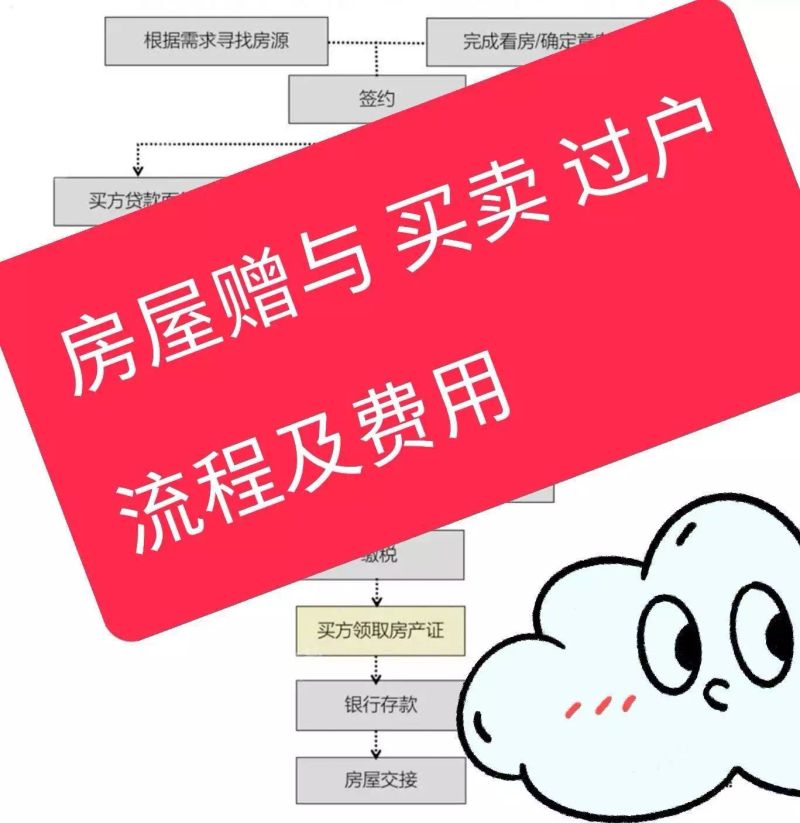
Finally, there may be those who feel that the way in which they are bought and sold is not suitable for moving between immediate family members, which in many cases is the most economical and least costly option. It is crucial to determine whether the property fulfils the five only conditions and, if so, the amount of tax due to children as buyers may be significantly lower than the grant, with a tax of 1 per cent below 90 square metres for the first flat and 1. 5 per cent above 90 square metres. Moreover, the tax base calculated for each tax would be much smaller when the property acquired through the sale and sale would be sold in the future and would reduce many of the tax and tax expenditures。
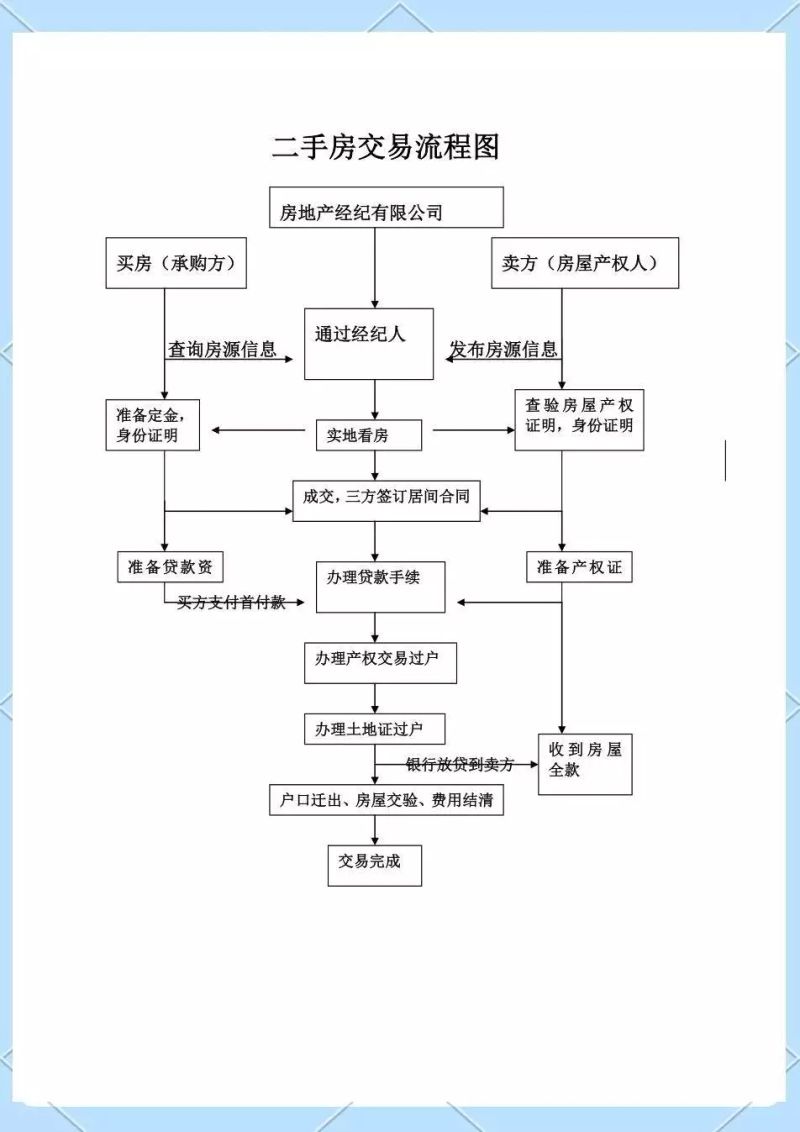
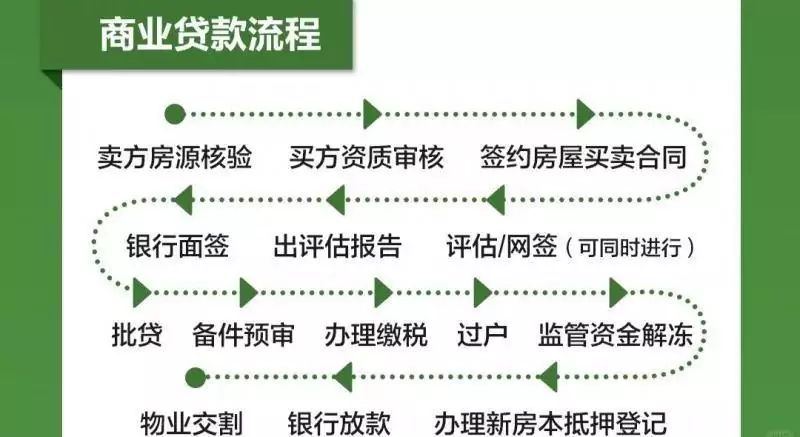
In addition to costs, processing processes are a factor to be considered. In 2026, there were many improvements in the process, such as the transfer of loaned property, which now allows the transfer to be processed without the need for the seller to pay off the loan in advance, avoiding the risk and cost of financing the bridge. Many municipalities have also achieved a window of immediate family transfer, with a significantly reduced time frame, making the process easier。
In choosing the method of transfer, it is important not only to look at immediate costs but also to consider future intentions. If a child may sell his or her property in the short term, the way in which the property is sold may be more appropriate; if it is intended to live for a long time, the gift or inheritance may also be considered. At the same time, the most cost-effective combination is to be calculated on the basis of the particular circumstances of the properties, such as whether they are the only five, the size of the area, the number of properties with children。
At the time of the transfer, the relevant documentation must be ready. The gift requires a certificate of contract and kinship, a certificate of death, a will or legal proof of succession, and a dual identity card, property certificate, etc. A clear understanding of the material requirements in advance would avoid delays in processing owing to incomplete material. If specific processes and policies are not clear, local real estate registration centres or professional lawyers can be consulted and can provide more detailed guidance and assistance。